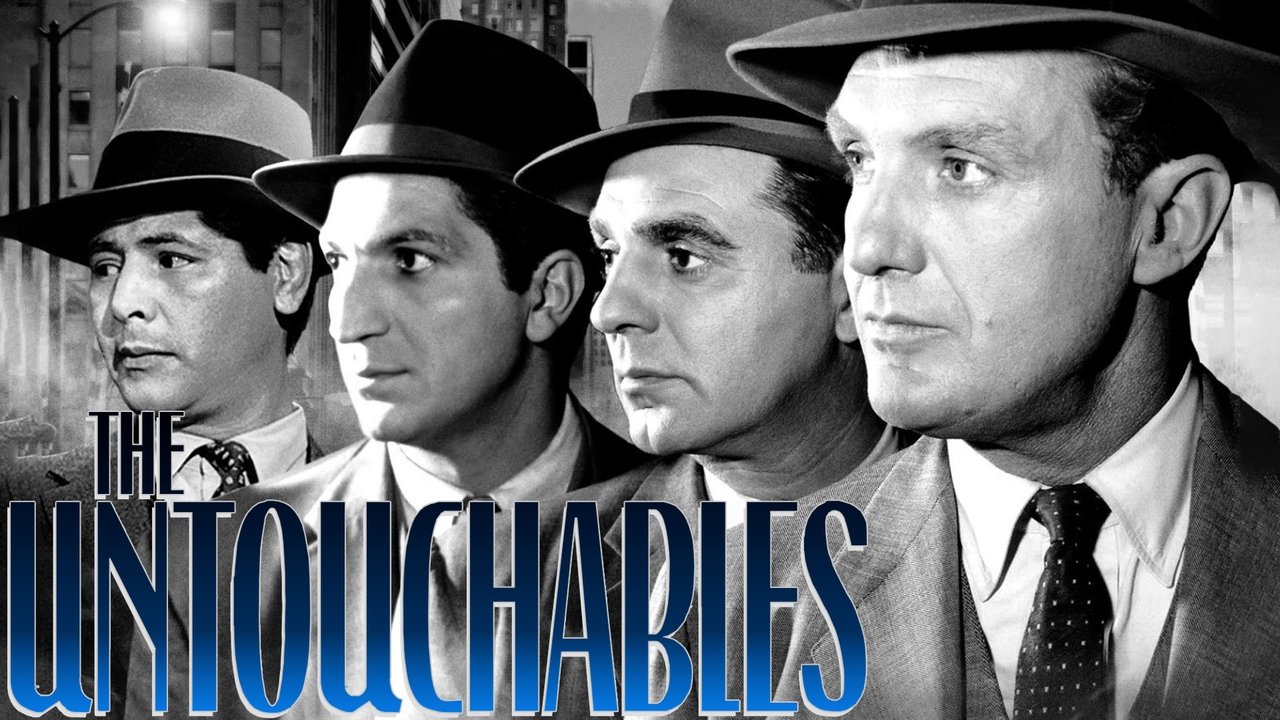
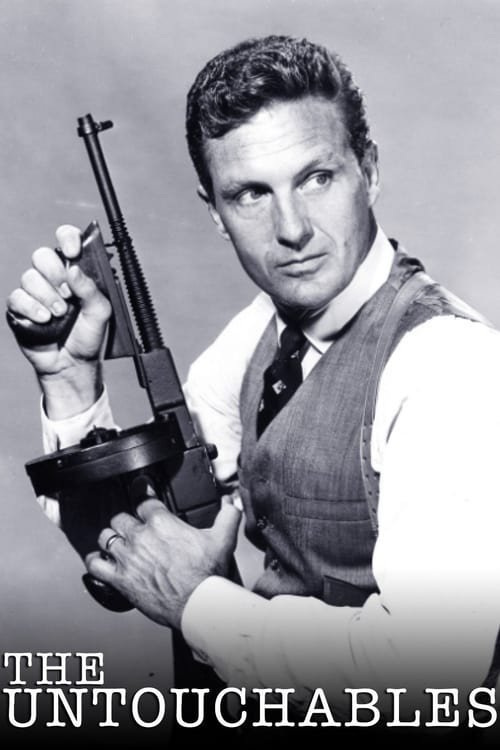




The Untouchables — Season 3
The summer of 1934 witnessed the rapid spread of punchboards across the country. Though each game cost only a nickel, the cumulative profits were substantial – far exceeding those generated by numbers rackets. Following raids that dismantle…
The summer of 1933 brought a fresh surge of criminality to Chicago. Responding to mounting public pressure, Willard Thornton was appointed commissioner with the mandate to restore order. At a press conference, Thornton declared his office d…
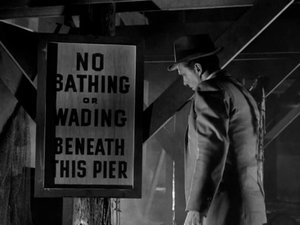
August 28, 1933. That night, Eliot Ness and his Untouchables, along with several plainclothes officers working undercover, positioned themselves to observe an amusement pier on the Chicago lakefront. Their target was Alexander Raeder, the p…
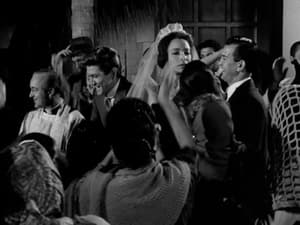
The aftermath of World War I saw a surge of European immigrants arriving in the United States. In the early 1920s, six brothers, the Gennas, hailing from Sicily, made their way to Chicago. Initially perceived as little more than a band of t…
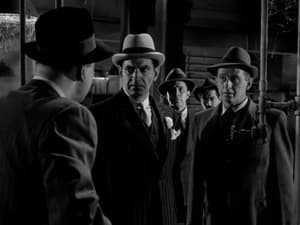
In mid-June of 1932, Eliot Ness, having meticulously compiled a list of Frank Nitti's breweries and distilleries, initiated a series of raids intended to cripple the Capone organization. This action brought considerable pressure upon Frank …
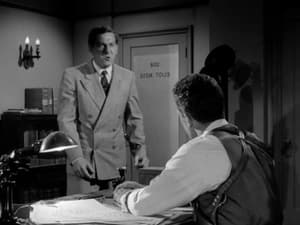
Chicago, January 1933. Ness and his team raided a speakeasy controlled by gangster Mikhail "Red Mike" Probich, and managed by Connie LaVerne. At the trial, Probich was defended by Morton Halas, a lawyer who had known hardship from childhood…
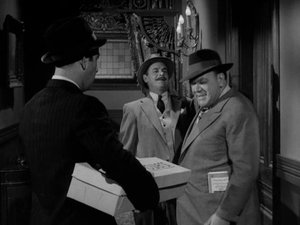
September 14, 1932. At 11:30 p.m., Eliot Ness visited the Odeon movie theatre – not to be confused with the Odeon Burlesque theatre featured in some stories. He met with Marty Wilger, a confidential informant, and gave him an envelope conta…
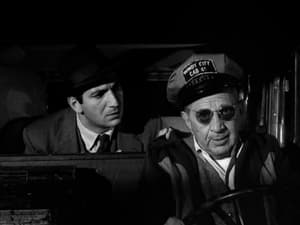
July of 1934 found Ness and his team receiving tips from anonymous sources regarding illicit drug operations. This led to a series of raids. Despite a downturn in sales, Frank Nitti ordered a shipment of fifteen kilograms of heroin on Augus…
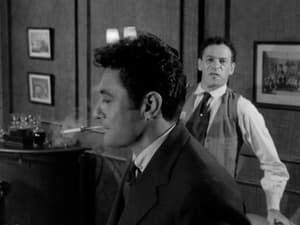
The year was 1933, and a pall of violence and corruption hung heavy over American cities: Chicago, New York, St. Louis, Detroit, Kansas City – nearly every major urban center. A notable exception was a large city on the Eastern seaboard, of…
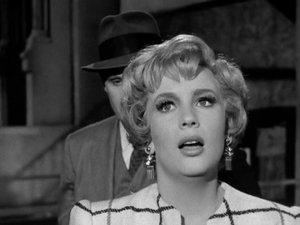
It was mid-1932 in New York, and the Syndicate – led by Joe Kulak, Louis “Lepke” Buchalter, and Dutch Schultz – held dominion over the city’s vast garment industry. Their ambitions now turned toward the bakeries; five hundred independent wh…
November 1932. The notorious gangster Joe Palakopolous has engaged in a perilous maneuver: he has just had his assassin eliminate Danny Kugan, Frank Nitti’s primary source for Canadian whiskey. And Nitti is deeply angered. Kugan was uniquel…
Chicago, October 1932. With Al Capone incarcerated, rival factions are vying for control of his vast criminal enterprise. Among them is Frankie Gruder, leader of a burgeoning organization that foreshadows Murder, Inc. His ambition stretches…
Chicago in 1932 was a city with an insatiable appetite for alcohol, consuming eighty-six thousand gallons daily—a staggering thirty-two million annually. The vast majority of this was cheap beer and illicit liquor, yet a small fraction—just…
Chicago, March 2, 1932. The Club Tunisian, a popular destination owned by gangster Pete Kalik and expanded from a modest establishment, was the city’s most sought-after nightspot. Ness and Lee Hobson arrived, though their interest wasn't in…
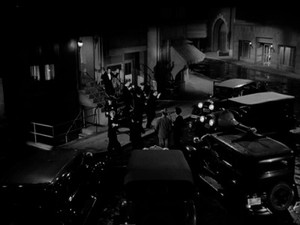
New York City. July 23, 1934. The Underworld, long prosperous from their involvement in horse race betting, now desires a novel device: the racewire, capable of transmitting race results to bookmakers with unprecedented speed. That rainy ni…
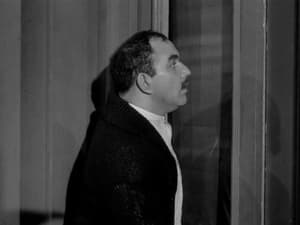
November of 1931 found West Madison Street teeming with a vibrant mix of Romani, Hungarian, and Czech people. The neighborhood was awash in illicit liquor, distributed by Janos Colescu. A parade of colorful figures populated the streets, in…
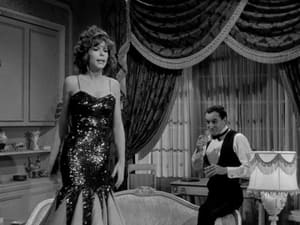
Chicago, October 1932. During Prohibition, the only beverage legally labeled "beer" was "near-beer," or "Near-O," containing a mere 0.5% alcohol—a far cry from the 4.0% of genuine beer. Consequently, many honest brewers resorted to illicit …
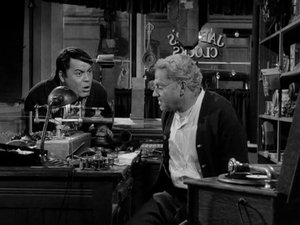
March 3, 1932. The audacious train robbery unfolds aboard the southbound express, bound for Chicago. The Stryker brothers execute their daring heist, pilfering mail sacks containing seven hundred and fifty thousand dollars in payroll. In th…
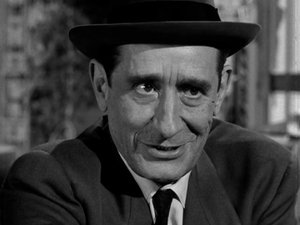
Chicago, August 29, 1934. In the Haymarket district that night, special agent Daniel Gosden, a police officer assigned to the Untouchables, gained entry through a skylight to discover an opium laboratory on the top floor of a dilapidated te…
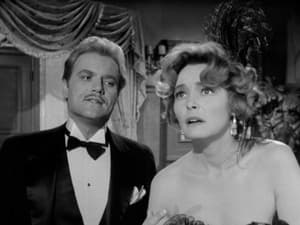
Chicago, in the wake of Prohibition’s repeal—circa 1934—saw a shift in the criminal landscape. With alcohol now legal, the established power brokers in organized crime expanded their operations into the narcotics trade. Eliot Ness and Lee H…
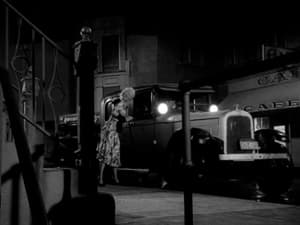
November 7, 1933. Slot machines were a booming industry; two thousand of the one-armed bandits were generating $100,000 in revenue each week—a profit of $50 per machine. One night, "Moose" Tobin and three other members of the Bomer gang pai…
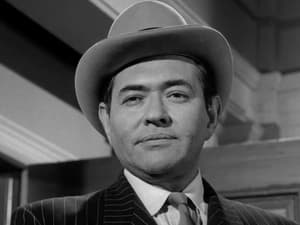
In Chicago, Pete "The Persuader" Kalmisky, once a bodyguard for Al Capone, and Alan Sitkin, a Syndicate business manager, met with Joey December, president of the financially troubled Great Lakes Pacific Railroad. A clandestine agreement wa…
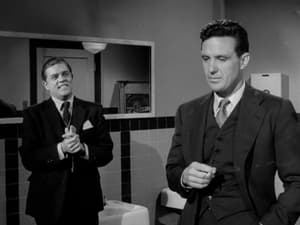
March 4, 1933. Chicago braced itself for the impending World's Fair, the "Century of Progress" Exposition, a grand spectacle on the horizon. A series of untimely deaths befell the three affluent Endicott brothers, who collectively held fran…
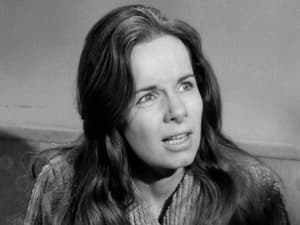
May 17, 1932. Numerous soup kitchens offer sustenance throughout Chicago, but one in the city's skid row operates as a deceptive facade. Concealed above the modest dining hall is the office of gangster Chiz Gosher, a man convicted twice for…
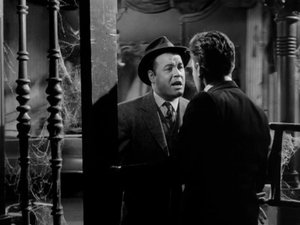
New York City, February 4, 1934. Three months of diligent investigation have culminated for Ness and his team; they have cornered "Smiley" Barris on an upper floor of an East Side tenement. With assistance from the local police and the depl…
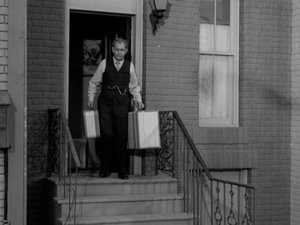
Chicago, April 16, 1934. With Prohibition's end, the primary source of income has shifted to narcotics. The New York Syndicate, the "Big Six," dispatches its representative, Wally Corbin, to Chicago on a retrieval mission. He is tasked with…
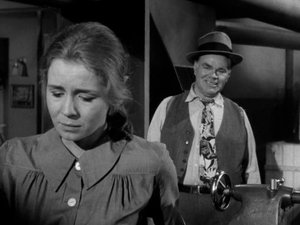
January of 1929. Gangster Matt Malloy entered a sporting goods store, only to discover that procuring an automatic pistol required a police permit. However, for the price of one hundred and fifty dollars, anyone could acquire a machine gun.…
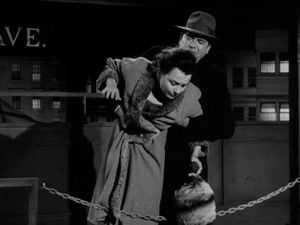
March 2, 1933. A secluded stretch of the northern Michigan lake shore, some 180 miles northeast of Chicago. The Chicago Syndicate, seeking to elevate the quality of their liquor, has begun smuggling master brewers from Germany; these illega…