





Seasons — Eurovision Song Contest
Lugano 1956
In 1956, a global phenomenon was born. The very first Eurovision Song Contest unfolded in Lugano, Switzerland, filling the historic Teatro Kursaal with music and excitement on May 24th. This marked the beginning of an iconic competition that would captivate audiences for decades …
Frankfurt 1957
Following Switzerland’s decision to pass on hosting duties again, the spotlight shone on Frankfurt am Main, Germany, in 1957. The city played host to the fourth annual Eurovision Song Contest, marking another exciting chapter in the competition's burgeoning history.
Hilversum 1958
In 1958, the spotlight shone on the Netherlands as they welcomed the Eurovision Song Contest for the very first time. The event unfolded within the television studios of Hilversum – then considered the heart of Dutch media – and transformed the space into a vibrant spectacle. To …
Cannes 1959
Step back to a simpler time – March 1959 – and picture the dazzling French Riviera. The spotlight shone on Cannes, a jewel of a town nestled along the Mediterranean coast, as it played host to the fourth annual Eurovision Song Contest. It was an era of burgeoning international co…
London 1960
Though the Netherlands claimed victory at the 1959 Eurovision Song Contest in Cannes, it was London that stepped up to host the following year’s event – marking the fifth edition of this burgeoning musical spectacle.
Cannes 1961
Two years after its debut in Cannes, the 1961 Eurovision Song Contest found itself back on the French Riviera. As the contest’s popularity surged across Europe, so too did the number of nations eager to participate, signaling a new era for this burgeoning musical spectacle.

Luxembourg City 1962
In 1962, the spotlight shone on Luxembourg as it hosted the Eurovision Song Contest for its inaugural year. The competition saw France claim the top prize once again, thanks to a captivating performance of "Un premier amour" delivered by the talented Isabelle Aubret.
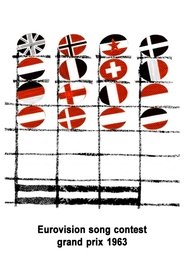
London 1963
After France’s triumphant win the previous year, the spotlight shifted to London for the eighth Eurovision Song Contest. This year, however, wouldn’t just be about the music; Denmark’s eventual victory sparked a surprising and enduring controversy that would ripple through the co…
Copenhagen 1964
In 1964, all eyes turned to Copenhagen, Denmark, for the Eurovision Song Contest – and Italy finally claimed its first win! Sixteen-year-old sensation Gigliola Cinquetti captivated audiences with her performance, cementing her place in music history. She was already a rising star…
Naples 1965
The vibrant Italian city of Naples hosted the 1965 Eurovision Song Contest, where Luxembourg once again claimed victory. This year’s triumph belonged to France Gall with her captivating track, "Poupée De Cire, Poupée De Son," a moment that marked a significant shift for the compe…
Luxembourg City 1966
Europe turned its attention to the Grand Duchy of Luxembourg once more, as the nation proudly hosted what is arguably the continent’s biggest celebration of music. This year brought an extra layer of excitement – a historic victory for a German-language entry, marking the first t…
Vienna 1967
Following Udo Jürgens’ triumphant win in 1966, Vienna, the vibrant heart of Austria, earned the honor of hosting the Eurovision Song Contest just a year later in 1967.
London 1968
The 1968 Eurovision Song Contest, held at London’s prestigious Royal Albert Hall, marked a significant moment – it was the very first broadcast in dazzling color! Excitement buzzed across Europe, and bookmakers were practically predicting another win for the United Kingdom. The n…
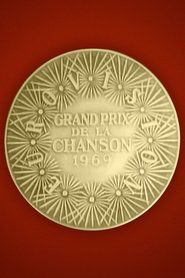
Madrid 1969
Following Massiel’s triumphant victory at the 1968 contest in London, Madrid stepped up to host the 1969 Eurovision Song Contest. But with Austria choosing to sit out that year, the competition saw a slight reduction in scale, welcoming just 16 nations – no new countries joining …
Amsterdam 1970
After a year of controversy, the spotlight returned to the Netherlands in 1970 when the country hosted the Eurovision Song Contest for the second time. Amsterdam played host, but the atmosphere felt notably different. The fallout from a previous year’s contentious voting results …

Dublin 1971
Following Dana’s triumphant win for Ireland in 1970, the Eurovision Song Contest found a new home on the Emerald Isle. The country's victory sparked renewed excitement around the competition, leading to a surge in participating nations once more.
Edinburgh 1972
For the first time ever, the BBC took the 1972 Eurovision Song Contest beyond London's borders, selecting the vibrant city of Edinburgh, Scotland as its host. When Monaco, the previous year’s winner, couldn’t manage a venue, the honour fell to the Scottish capital. The night deli…
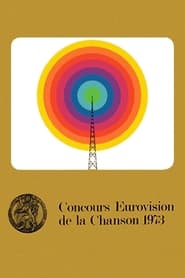
Luxembourg City 1973
For the third time, Luxembourg stepped into the spotlight, welcoming audiences worldwide and showcasing Europe’s vibrant musical talent after previously hosting in 1962 and 1966. While everyone expected a victory for UK superstar Cliff Richard – once again the clear frontrunner –…
Brighton 1974
Just three years after last hosting, the United Kingdom stepped up once again to welcome the Eurovision Song Contest back to British shores. With Luxembourg’s broadcaster unable to take on the responsibility due to financial constraints, the BBC enthusiastically seized the opport…
Stockholm 1975
For its momentous 20th anniversary, the Eurovision Song Contest journeyed northward, bringing a vibrant celebration of music to Stockholm, Sweden. On March 22nd, 1975, the city played host to this beloved competition, marking a memorable chapter in Eurovision history.
The Hague 1976
For the unprecedented third time ever, the spotlight shone on the Netherlands as they welcomed back the Eurovision Song Contest. Following previous successful hosting duties in Hilversum and Amsterdam, this year’s dazzling spectacle landed in The Hague, marking a significant mome…
London 1977
The 1977 Eurovision Song Contest holds a unique place in history – it was the first to be significantly disrupted by a labor strike, forcing organizers to postpone the event by an unprecedented five weeks. This unexpected delay added a layer of tension and intrigue to what promis…
Paris 1978
Following France's victory in London during the 1977 Eurovision Song Contest, the nation proudly hosted the competition in 1978. The event took place in Paris on April 22nd, marking a vibrant celebration of music and European culture.
Jerusalem 1979
In a truly groundbreaking moment for the competition, the 1979 Eurovision Song Contest broke new ground by venturing beyond European borders. For the very first time, the beloved contest found its home outside of Europe, with Jerusalem proudly stepping up to host the spectacular …
The Hague 1980
Following Israel’s victory and hosting of the Eurovision Song Contest in Jerusalem in 1979, Israeli television ultimately passed on the chance to welcome Europe back for another year. A period of deliberation followed, leading to a decision: Dutch broadcaster NOS would take on th…
Dublin 1981
Fresh off Ireland’s triumphant victory – thanks to Johnny Logan and his unforgettable “What’s Another Year” – Dublin stepped up to host the 1981 Eurovision Song Contest. The spotlight shone brightly, but it was Bucks Fizz representing the United Kingdom who ultimately stole the s…
Harrogate 1982
Few anticipated the BBC’s bold choice: the 1982 Eurovision Song Contest, a spectacle usually reserved for grander capitals, would take place in the unexpectedly charming northern town of Harrogate. The decision sent ripples through the music world and set the stage for a uniquely…

Munich 1983
For years, Germany had dreamed of hosting Europe's biggest song competition. Finally, in 1983, that dream became a reality when ARD, the nation’s public broadcaster, welcomed the Eurovision Song Contest to Munich.
Luxembourg City 1984
Returning to the spotlight for a fourth time – its first since Corinne Hermès’ triumphant win years prior – Luxembourg welcomed audiences back to the Eurovision stage.
Gothenburg 1985
In a moment of celebratory triumph, Swedish national broadcaster SVT stepped up to host the legendary 1985 Eurovision Song Contest. The choice? Gothenburg’s Scandinavium – an impressively grand arena and, at the time, the largest venue ever selected to showcase Europe's musical t…