

BOSAI: Science that Can Save Your Life — Season 1

Japan’s history is deeply marked by natural disasters. *BOSAI* examines how science can help us not only endure these events but also save lives. This initial program focuses on tsunamis. We begin with a visit to the ruins in Miyagi Prefect…
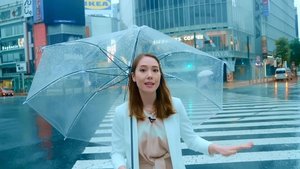
Japanese cities frequently develop in flatlands beside rivers, their landscapes dominated by concrete and asphalt, a configuration that renders them vulnerable to flooding during periods of intense rainfall. Recent years have witnessed cons…

The 2018 typhoon Jebi, which impacted Osaka Prefecture, is considered the first to strike a modern metropolis in Japan, leaving widespread damage to buildings. Experts suggest that the extent of this destruction cannot be fully accounted fo…

The 2011 Great East Japan Earthquake sent tremors as far as Tokyo's Shinjuku district, approximately 400 kilometers from the epicenter, where tall buildings swayed noticeably for thirteen minutes. This prolonged motion is believed to have r…

Japan is experiencing an increasing frequency of localized downpours, often torrential in intensity. The resulting flash floods overwhelm rivers and pose a serious threat to homes and lives. These sudden storms have historically proven diff…

Increasingly heavy rainfall in recent years has made debris flows a persistent concern in Japan. This program examines ongoing research aimed at their early detection and explores methods for safeguarding lives. The rise in frequency of the…

For centuries, Mount Fuji has held a sacred place in the hearts of many in Japan. Yet, this iconic peak is also a source of considerable peril, its history marked by repeated and often devastating eruptions. A simulation released by the Jap…
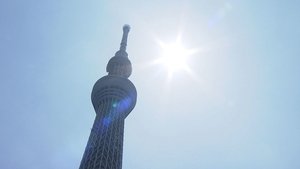
Across Japan, escalating temperatures, a consequence of global warming, are driving a corresponding increase in heatstroke cases. Heatstroke occurs when the body's natural temperature regulation mechanisms fail in hot, humid conditions, man…
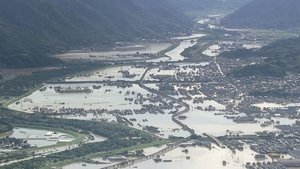
The devastating rains of 2018, which lashed western Japan, claimed 51 lives in the Mabi district of Kurashiki City, Okayama Prefecture. Tragically, many perished in their homes, drowned on the ground floor despite possessing a second story.…
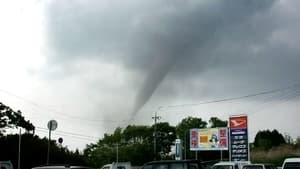
Each year, Japan endures an average of twenty-three tornadoes. When these storms touch down in inhabited regions – often plains or coastal areas – they frequently inflict considerable damage. Tornadoes remain among the most unpredictable we…
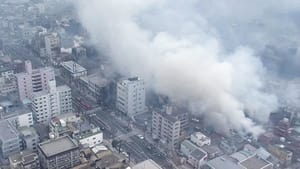
The morning of January 17, 1995, brought a devastating earthquake to Hyogo Prefecture in Japan. Almost instantly, the tremor was followed by a series of fires that erupted across the region. Trapped by the flames, many perished, and the dis…
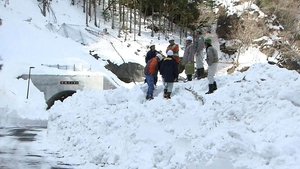
Avalanches strike with sudden force, inflicting damage on buildings and endangering lives. A significant number of those that occurred in Yamanashi Prefecture in 2014 unfolded in areas where such events are rarely seen. It has since become …
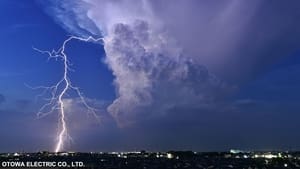
Lightning, a pervasive natural hazard, can strike at any time and in nearly any location globally, demanding respect. Despite centuries of observing this phenomenon, considerable misunderstanding persists regarding safe conduct during a thu…
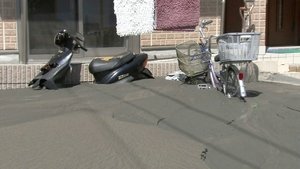
The Great East Japan Earthquake of 2011 unleashed devastation of an unprecedented scale. Damage extended far beyond 300 kilometers from the epicenter, exceeding initial projections. Across a wide region, a phenomenon known as soil liquefact…
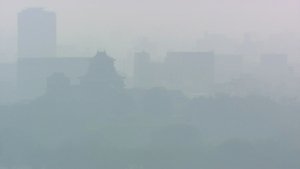
PM2.5 are microscopic particles, posing a significant global health concern. The World Health Organization estimates that these particles contribute to 2.4 million premature deaths annually. Research from Kyoto University indicates that PM2…

The Great East Japan Earthquake and the ensuing colossal tsunami wrought devastation along the Tohoku coast, with waves exceeding sixteen meters in height. The initial tsunami warning proved inaccurate; it is believed that errors stemmed fr…
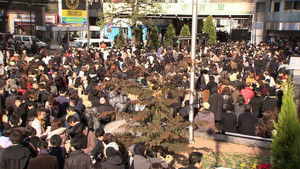
A human stampede is a terrifying disaster born of extreme crowding, where individuals are forced into a suffocating press, struggling for air. The resulting jostling and compression often lead to falls, initiating a chain reaction with deva…
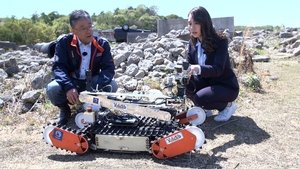
The 2011 Great East Japan Earthquake and the subsequent tsunami triggered the accident at the Fukushima Daiichi Nuclear Power Plant. The ensuing nuclear disaster, the worst in Japan’s history, was hampered by a dearth of information stemmin…
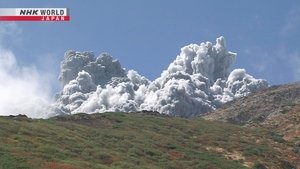
Straddling the border between Nagano and Gifu prefectures, Mount Ontake rises to a height of 3,067 meters, drawing many hikers seeking a day of mountain adventure. During a September holiday, the mountain was thronged with climbers when a s…
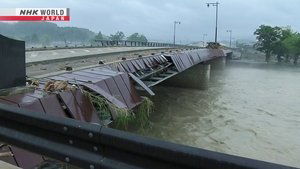
Linear rainbands present a particular hazard: once established, they unleash prolonged, heavy rainfall capable of causing widespread flooding. This phenomenon gained significant attention in Japan following its impact on Hiroshima Prefectur…
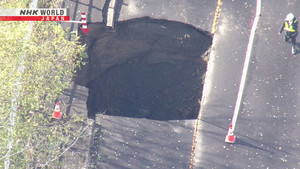
In November of 2021, a road in Mikasa, Hokkaido Prefecture, unexpectedly gave way, opening into a substantial chasm. A vehicle plunged into the newly formed void, resulting in serious injuries to its three occupants. The incident occurred w…
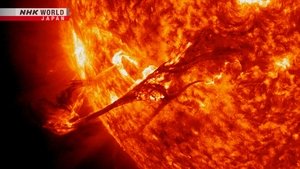
In February of 2022, a U.S. space exploration firm deployed forty-nine satellites in a single launch. Soon afterward, however, forty of those satellites lost their orbital stability and disintegrated upon re-entering the Earth's atmosphere.…
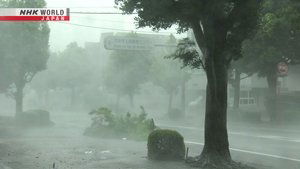
Japan experiences more than ten typhoons annually. These storms, with their powerful winds and torrential rains, frequently trigger floods and landslides, sometimes even causing buildings to collapse. To mitigate this risk, the nation is co…
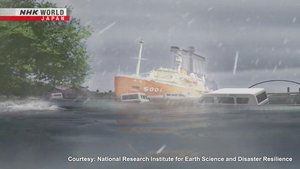
As a typhoon or comparable storm nears, atmospheric pressure falls and the ocean's surface is drawn upward. Powerful winds further drive seawater towards the land. These elements converge to produce a storm surge—a rise in sea level that fr…
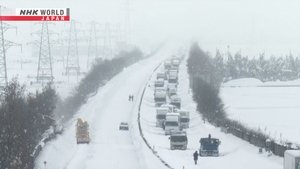
Japan has experienced increasingly frequent heavy snowfalls in recent years. Though the total winter snowfall has diminished over time, the intensity of individual snow events has grown. Climate change is implicated in this shift. Rising te…
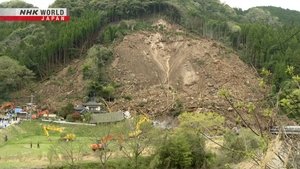
In April of 2018, a landslide ravaged a hillside overlooking homes in Nakatsu City, Oita Prefecture. The slide, a torrent of earth and debris extending over a hundred meters wide, obliterated four houses and tragically claimed six lives. La…

On March 11, 2011, a powerful earthquake struck off the coast of Japan's Tohoku region. In Tokyo's Shinjuku district, skyscrapers, located some 400 kilometers from the epicenter, continued to sway for a full thirteen minutes. And in Osaka, …
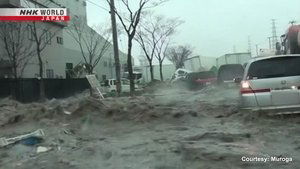
The most crucial step in mitigating loss of life during a major tsunami is swift evacuation to safer ground. This hinges on timely and precise information regarding the approaching wave. Upon detection of a life-threatening tsunami, residen…
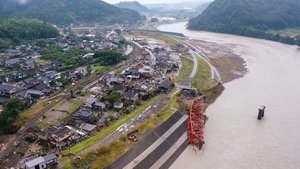
River flooding occurs when prolonged heavy rainfall elevates water levels, causing rivers to overflow with substantial volumes. Recent years in Japan have witnessed an increase in such events, driven by a weather pattern known as "linear ra…

The Great Kanto Earthquake of 1923 remains a defining tragedy in Japanese history. A 7.9 magnitude quake, centered in western Kanagawa Prefecture, triggered widespread destruction: buildings crumbled, landslides ravaged the landscape, and a…
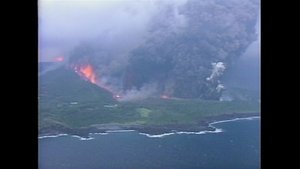
The 1983 eruption of Miyake Island, off the coast of Tokyo, inundated or destroyed roughly four hundred homes, along with a reinforced concrete school consumed by the advancing lava. A 2021 revision to the hazard map for Mount Fuji indicate…
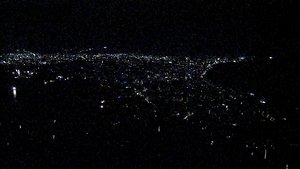
In September of 2018, the Hokkaido Eastern Iburi earthquake plunged the entire region into darkness, leaving as many as 2.95 million households without power. The seismic event forced the closure of several power plants, destabilizing the e…
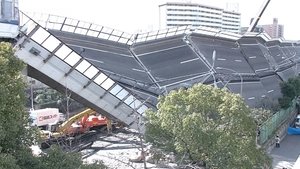
Earthquakes inflict widespread destruction, collapsing buildings and claiming lives. These seismic events often originate from active faults, where sudden shifts in the earth's crust generate powerful tremors. Japan has meticulously catalog…
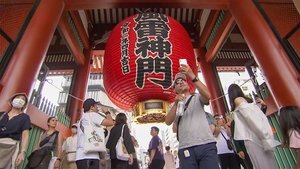
Following the easing of travel restrictions, Japan has seen a resurgence in foreign visitors. Yet, many remain unfamiliar with the country's susceptibility to natural disasters – earthquakes, tsunamis, and typhoons being among the most sign…
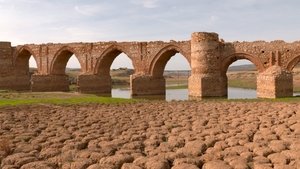
Driven by global warming, droughts are becoming more frequent. Recent projections suggest that megadroughts may soon grip the Mediterranean coast and the western United States. Amidst this growing concern, Japan's innovative technology is g…
The escalating frequency of wildfires across the globe is inextricably linked to the accelerating effects of climate change. Explore Japan’s distinctive approach to rapid fire response, alongside current research focused on mitigating the t…

Tokyo, a metropolis constantly aware of its vulnerability to earthquakes and floods, has quietly cultivated a remarkable array of advanced disaster prevention technologies. These innovations are woven into the fabric of the city, offering a…
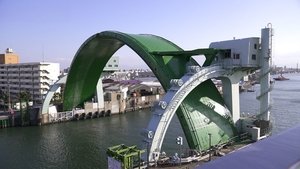
A city woven from waterways, Osaka has long known the threat of flooding. Discover the most recent strategies employed to safeguard the metropolis against typhoons and torrential rains.
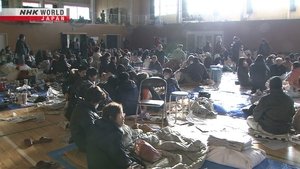
Understanding Japan’s provisions for emergency food supplies is essential for all. Explore the resources available to meet diverse needs, and learn about the "rolling stock" method – a practical approach to building an emergency food stockp…
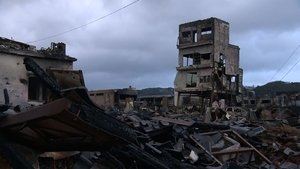
This installment examines Japan’s comprehensive approach to enhancing tsunami evacuation preparedness. It explores strategies to combat the pervasive "normalcy bias"—the tendency for people to underestimate danger in the absence of recent t…
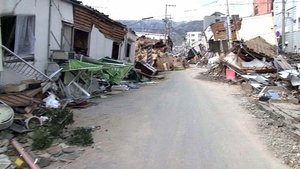
Prepare for seismic events. Acquire essential survival knowledge for earthquakes, including guidance on what to do if you are trapped beneath debris. It is highly recommended that you familiarize yourself with this information prior to trav…
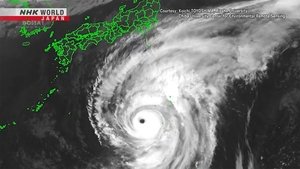
The question of flood survival demands preparedness. Japan, frequently contending with typhoons, has cultivated a deep understanding of how to weather such disasters. Learn essential techniques for navigating flooded roadways and safely ext…

Unmanned aerial vehicles are demonstrating increasing utility in disaster relief efforts. At present, researchers at Osaka University are pioneering a system capable of projecting evacuation guidance directly into the air – a first of its k…
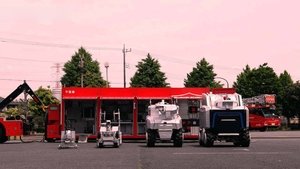
Japan has unveiled the world’s first robot fire brigade. These remarkable machines, powered by artificial intelligence, are designed to confront large fires in environments too dangerous for human firefighters.
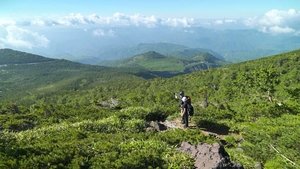
Japan's most popular mountain destinations often hold a fiery secret: many are active volcanoes. Before embarking on a climb, it's essential to understand safety precautions, and to stay informed about the newest developments in eruption p…

In 2021, digital twin technology offered crucial insight into a landslide in Atami, effectively averting further disaster. Now, its potential extends to tsunami prediction.
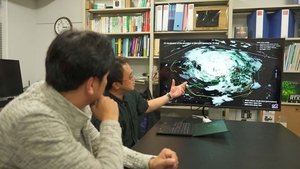
The increasing intensity of typhoons is a growing concern. Can these powerful storms be mitigated? A national initiative is underway, investigating methods to reduce wind speeds through the deployment of specialized vessels and the creation…
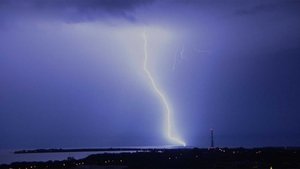
During the winter months, the Hokuriku region of Japan is susceptible to exceptionally potent lightning strikes, often termed superbolts. These discharges possess a power level akin to a small nuclear explosion. The origin of such intense e…

Phase Free is an approach to disaster preparedness that recognizes no divide between ordinary existence and crisis. It explores the potential of commonplace objects to serve as resources during emergencies.
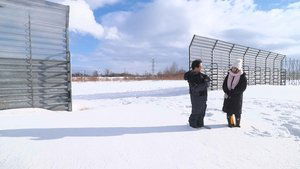
The winter snow of Japan captivates visitors, yet the very conditions that create such beauty can also present hazards for those traveling by road. Innovative technologies are emerging from Japan, designed to mitigate the dangers of whiteou…
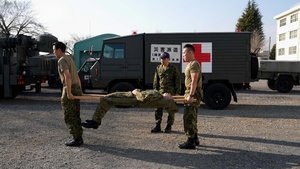
This piece examines the preparedness of Japan's Self-Defense Forces for disaster situations. We explore the specialized equipment and techniques employed by their response teams, alongside details of a newly implemented tsunami prediction s…
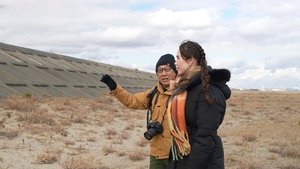
This installment examines Sendai’s evolution into a city prepared for disaster, a transformation achieved through a layered system of defenses along its coastline designed to mitigate the impact of tsunamis.
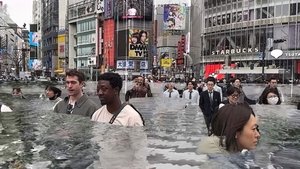
A celebrated destination for visitors, Shibuya nonetheless faces persistent threats: both inundation and seismic activity plague this low-lying urban center. Here, we examine the sophisticated measures being implemented to mitigate these po…

The Tokyo Skytree, a prominent landmark drawing visitors from across Japan, incorporates a comprehensive array of disaster preparedness measures. This exploration delves into the sophisticated technologies at the heart of the tower’s resili…

The devastating earthquake of 2011 claimed the lives of over fifteen thousand companion animals. Now, innovative technologies like intelligent collars and rapidly deployable shelters are transforming the landscape of emergency pet safet…
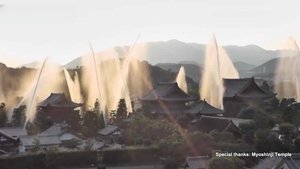
Kyoto, a city steeped in history, remains vulnerable to the perils of landslides and the aftermath of earthquakes, including devastating fires. What safeguards, born of modern ingenuity, protect this venerable place from nature's destructiv…
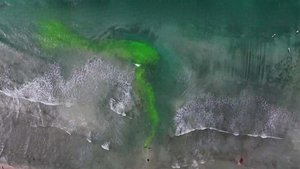
Summer brings with it a predictable increase in accidents along Japan's coast. However, innovative technologies leveraging smart devices are offering a vital new defense against these potential disasters.
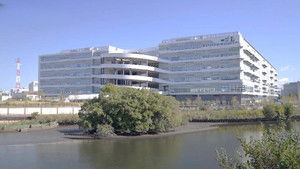
The sprawling infrastructure of online retail relies on extensive logistical hubs, yet these very warehouses, with their sturdy construction, advanced earthquake resistance, and other essential features, also lend themselves to use as safe …
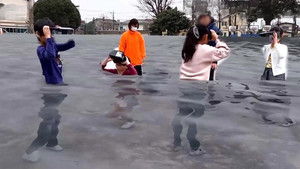
The field of disaster preparedness is evolving rapidly, propelled by advancements in digital technology. Augmented and virtual reality offer participants increasingly realistic simulations of events like smoke propagation in fires and the d…
Japan leverages artificial satellites and ground-based observation systems to rapidly evaluate the extent of damage following floods and earthquakes, a capability crucial for bolstering disaster preparedness efforts.