



On October 1, 2026
#11647
11647th by Pulse TV show online0.1PULSEPulse MeterOur daily Pulse Meter measures public activity and popularity signals across the web.How it works →
Monstrum · S3E2 — Werehyena: The Terrifying Shapeshifters of African Lore
Season 3 episodes
 1. Baba Yaga: The Ancient Origins of the Famous ‘Witch’Jan 14, 2021
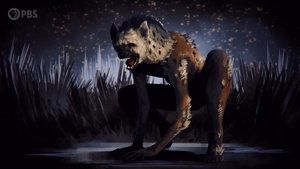 2. Werehyena: The Terrifying Shapeshifters of African LoreFeb 3, 2021
 3. Taotie: The Mystery of Chinese Mythology’s Famous GluttonMar 3, 2021
 4. Leprechaun: From Gold-Loving Cobbler to Cultural IconMar 16, 2021
 5. Will-o’-the-Wisp: Monstrous Flame or Scientific Phenomenon?Apr 7, 2021
 6. Yara-ma-yha-who: Australia’s Regurgitating, Blood-Sucking MoApr 8, 2021
 7. Basilisk or Cockatrice? The Mysterious King of SerpentsMay 19, 2021
 8. Don’t Let Them In! The Urban Legends of Black-Eyed ChildrenJun 23, 2021
 9. The Macabre Origins of the Grim ReaperJul 1, 2021
 10. El Silbón: The Deadly Whistler of the South American GrasslandsJul 21, 2021
 11. Fire Cat or Fire Cart? The History of Japan’s KashaAug 11, 2021
 12. Death Worms: Fact or Fiction?Sep 29, 2021
 13. The Killer Origins of the WerewolfOct 21, 2021
 14. The Werewolf’s Modern MetamorphosisOct 28, 2021
 15. Trolls: Scandinavia’s Malevolent, Magical OutcastsNov 10, 2021
 16. Monster Bugs, Attack! The Origins of ‘Big Bug’ Science FictionNov 23, 2021
 17. Krampus: Origins of the Yuletide MonsterDec 15, 2021
Synopsis
African folklore dictates that unlike other werecreatures this monster is an animal that disguises itself in human form. By day it walks the earth nearly indistinguishable from humans, but at night it returns to its true hyena shape to defile graves and eat the flesh within. Most often associated with artisan trades like metalworking, weaving, and pottery, the werehyenas evil powers are said to be passed on from generation to generation. How did the werehyena become associated with certain trades? To answer that questions, we’ll take a look at Beta Israel, or Ethiopian Jews, who became commonly accused of taking the guise of this monster—and why prejudice contributes to monster lore.