



Japan Railway Journal — Season 5

The arrival of the New Year is a cherished occasion in Japan, marked by distinctive customs. Special postcards and foods are enjoyed, along with visits to shrines and temples, and even dedicated trains. This segment features the "Hatsumode …
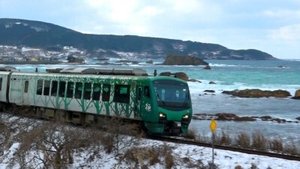
The Gono Line, connecting Akita and Aomori Prefectures, now offers three popular tourist trains known as "Resort Shirakami," drawing over 100,000 passengers each year. Having once been threatened with closure, the line has experienced a rev…
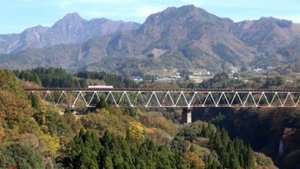
Amaterasu Railway, a privately-owned line nestled in Takachiho Town, northern Miyazaki Prefecture, experienced a devastating blow in 2005 when a typhoon severely damaged the tracks, halting all operations. Yet, spurred by local enthusiasm,…
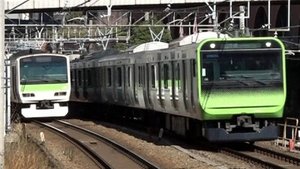
The JR Yamanote Line, a 35-kilometer loop encircling central Tokyo, transports 3.5 million passengers daily. At peak morning hours, trains run every two minutes, a feat of punctuality meticulously managed from a state-of-the-art control cen…

The Sekisho Line of JR Hokkaido, serving the Yubari branch, will cease operation on April 1, 2019. Once, Yubari thrived as a mining town, and this railway was vital for transporting coal. However, mine closures beginning in the 1970s ushere…
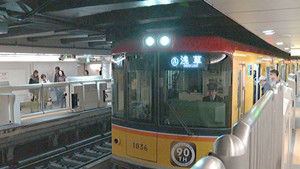
The Tokyo Metro network, encompassing nine lines and a total length of 195 kilometers, serves as a vital artery connecting key stations throughout the city, often linking with private and JR lines. Each day, it transports 7.4 million passen…

In March of 2019, Nishi-Nippon Railroad launched "The Rail Kitchen Chikugo," its inaugural tourist train in the Kyushu region. A testament to traditional craftsmanship, the train boasts an open kitchen where a diverse array of dishes crafte…
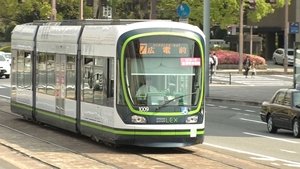
Beginning in the 1960s, streetcar ridership in Japan experienced a steady decline, spurred by the rise of automobiles, subways, and railway networks. Yet, to address the transportation needs of an aging populace, streetcars are enjoying a r…
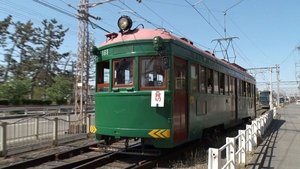
For over a century, Hankai Tramway has served as the sole tram operator in Osaka Prefecture, linking Osaka City and Sakai City. Once, facing dwindling ridership as competition from other routes emerged, the company's line between these two …
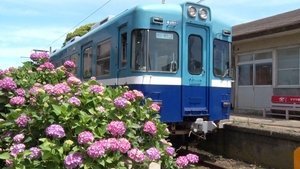
The Choshi Electric Railway traces a 6.4-kilometer route through Chiba Prefecture, a lifeline for approximately 20,000 residents. Yet, facing a dwindling population and a declining birthrate, the line has long teetered on the brink of closu…
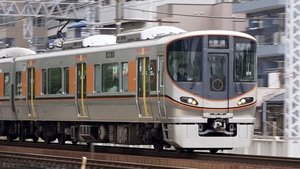
The Osaka Loop Line, operated by JR West, serves as a vital transportation corridor for the city of Osaka. A significant number of its nineteen stations – thirteen, to be precise – offer connections to major subway and private railway netwo…
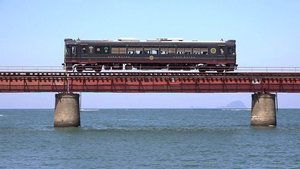
The Kyoto Tango Railway stretches for 114 kilometers along the coast of Amanohashidate, a region widely considered one of Japan's most picturesque destinations. Once burdened by significant financial losses, the railway is now operated by t…
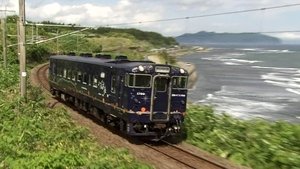
The South Hokkaido Railway operates a well-regarded tourist train. Established in 2016 with the launch of the Hokkaido Shinkansen, this third-sector company initially lacked substantial resources. To realize a vision for a special passenger…
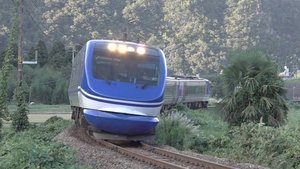
The Chizu Express is a privately-owned railway line traversing the Chugoku Mountains, stretching 56.1 kilometers between Tottori and Hyogo Prefectures. Designed from its inception for high-speed travel, this railway has consistently defied …
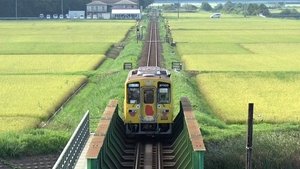
The Hitachi-Naka Seaside Railway, established in Ibaraki Prefecture in 2008, initially carried fewer than 700,000 passengers along its 14.3-kilometer route. Today, annual ridership surpasses one million. Achieving profitability in 2017, the…
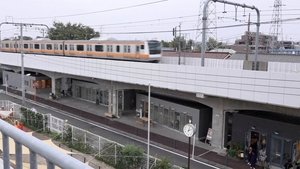
The concept of "Ekinaka"—shops and amenities within train stations—is undergoing significant expansion. JR East is now developing the viaducts beneath the Chuo Line in a project termed the "Chuo Line Mall." This initiative will transform 70…
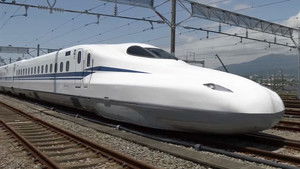
The next generation of JR Central's Shinkansen, the N700S, is slated to enter service this summer of 2020. Employing cutting-edge technology, the new N700S promises enhanced safety, convenience, and passenger comfort. Key improvements inclu…

Japanese railway companies are increasingly embracing artificial intelligence and Internet of Things systems to enhance their services. As the workforce ages and retirements rise, the industry is pioneering innovative operational methods, e…
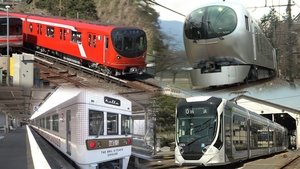
In 2019, a wave of new express, commuter, and tourist trains, alongside trams, entered service. This is a retrospective on those vehicles and the trends they represent. Discover the inventive designs of Seibu Railway's "Laview" and the "Ser…