




Japan Railway Journal — Season 2
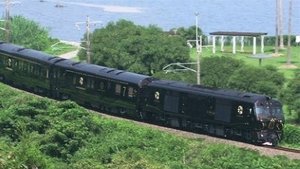
Tourist trains have experienced a surge in popularity in recent years. Attracting travelers with their distinctive Japanese aesthetics, seasonal dining experiences, and curated stopover journeys, these trains are fostering a renewed appreci…
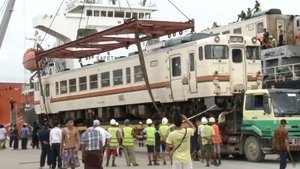
Second-hand Japanese trains are finding renewed purpose in Southeast Asia. Their popularity stems from a reputation for comfort – consistently air-conditioned carriages – and meticulous upkeep. This journey follows a Series 205 train as it …
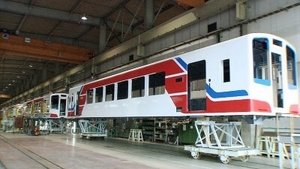
The devastating earthquake of March 2011, which struck the Tohoku region, inflicted extensive damage upon the area's railway network. In response, railway operators have since pioneered several advanced safety measures. These include an "ea…
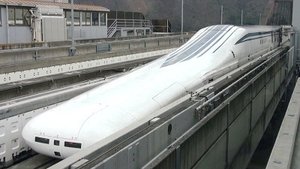
At speeds of 500 kilometers per hour, the Superconducting Maglev promises to link Tokyo and Nagoya in a mere 40 minutes, with commercial operations slated to commence in 2027. Magnetic levitation, lifting the train 10 centimeters above the …

Ekiben—a portmanteau of *eki*, meaning station, and *ben* from bento—are boxed meals uniquely offered at stations and on trains throughout Japan. Approximately four thousand distinct varieties are available nationwide, each a carefully cura…
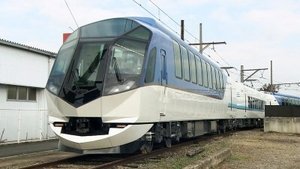
The Kintetsu Railway's "Premium Express Shimakaze" has become a favored journey for tourists, linking Osaka, Kyoto, and Nagoya with the island of Iseshima. Its interior and overall design were meticulously crafted based on comprehensive mar…

The Kishigawa Line of the Wakayama Electric Railway has gained renown for its feline stationmaster. Since Tama, the cat, assumed the role, tourism has blossomed, ensuring the survival of a railway slated for closure. This is the story of ho…
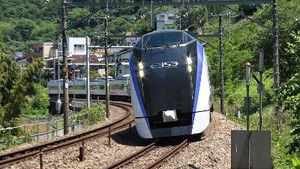
A prototype vehicle slated for operation on the Chuo Conventional Line is presently undergoing rigorous performance evaluation and technical verification. Witness the development of an express train, engineered to navigate numerous curves w…
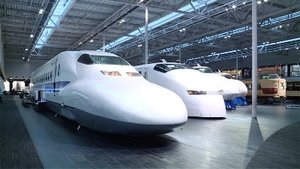
Freight rail is undergoing a transformation to enhance service quality. Initiatives such as modal shift – a transition from trucking to rail transport – alongside dedicated freight lines for expedited delivery, innovative technologies pione…
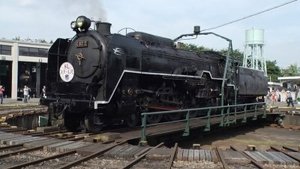
Kyoto welcomed its largest railway museum in April 2016, a space dedicated to showcasing the evolution of Japan's rail network. Within its walls, a collection of fifty-three vehicles narrates this history: twenty-three steam locomotives sta…
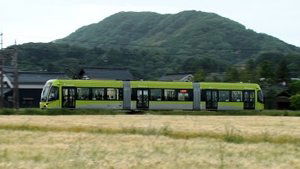
This program explores the gradual integration of light rail vehicles. We examine Fukui city's innovative use of LRVs through a collaborative effort between two railway companies, how Toyama city revitalized a line facing closure by introduc…
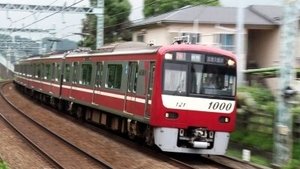
Serving the Tokyo suburbs, Keikyu is distinguished by its frequent high-speed trains, convenient direct connections to other lines, and a reputation for punctuality. The company also prioritizes a human-centered approach, leveraging the exp…
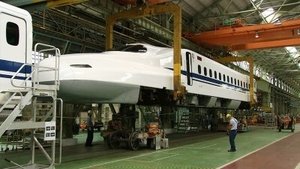
First launched in 1964 as the "Dream Super Express," the Tokaido Shinkansen has since carried over 5.5 billion passengers. This remarkable high-speed train is renowned for its punctuality, with average delays of just 0.2 minutes per train s…
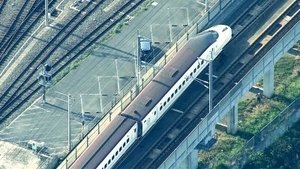
The powerful magnitude 7 earthquake that struck Kumamoto Prefecture on April 14, 2016, inflicted extensive damage upon the railways of Japan's Kyushu region. After considerable effort, the Kyushu Shinkansen resumed full operation within two…
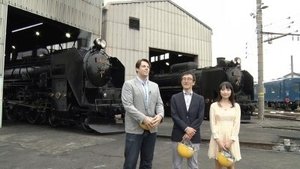
The East Japan Railway Company, commonly known as JR East, maintains a collection of four preserved steam locomotives that draw considerable interest from tourists. However, the operation and upkeep of these historic engines are expensive, …
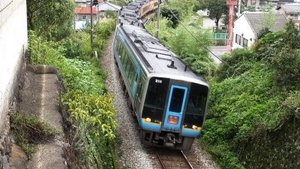
Nearly three decades ago, the privatization of Japan National Railways gave rise to six distinct railway companies. Among these, Shikoku Railway Company, commonly known as JR Shikoku, is the smallest. Its early years were marked by financia…
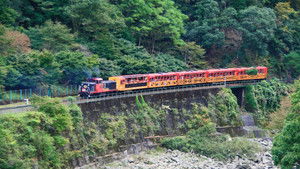
In 2016, the Sagano Scenic Railway of Kyoto celebrated its 25th anniversary. For a quarter of a century, it has offered passengers a journey through a stunning river gorge aboard tourist trains. Founded with a mere nine employees who initia…