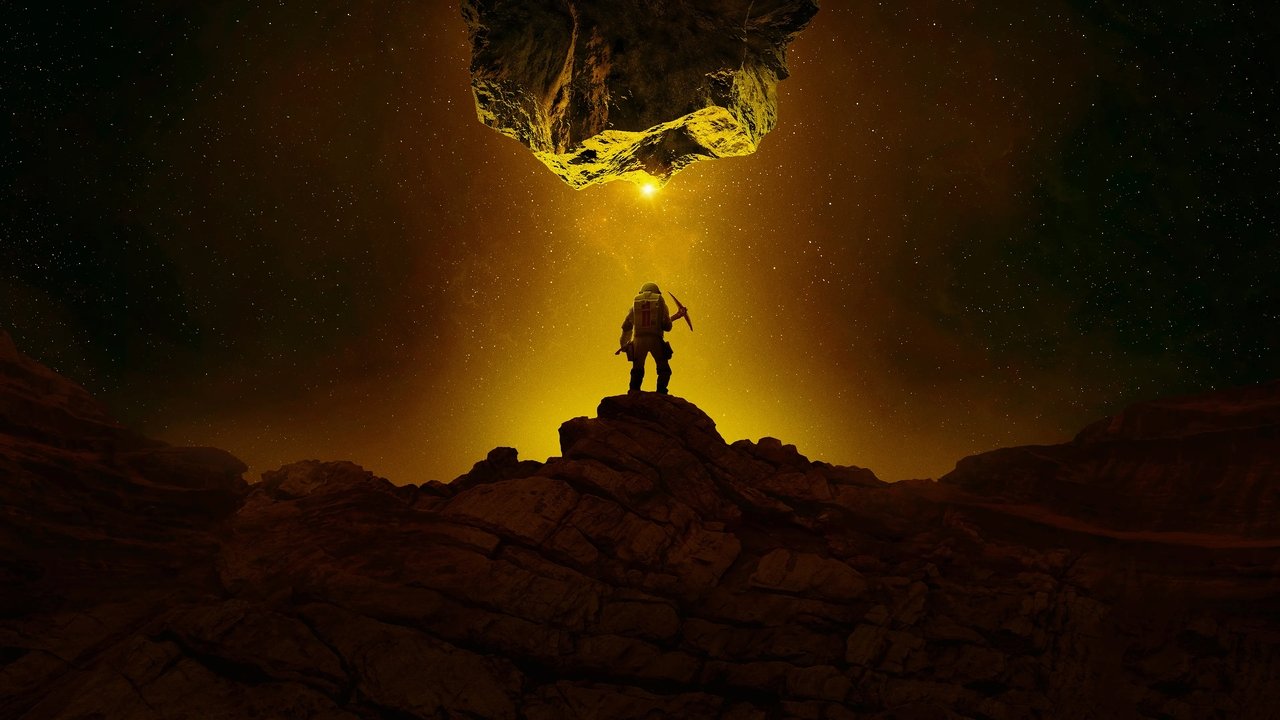





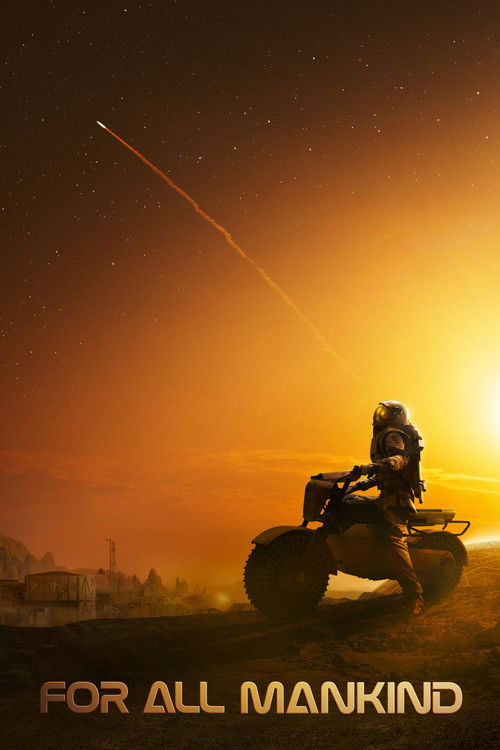
**Cons:** The most significant issue I have with this series lies in its missed opportunity. The writers had a chance to develop an alternate timeline, one where women played a more prominent role in the lunar space race. Instead, what they delivered felt like a derivative version of our own history, simply swapping out men for women in key positions and layering on even more capitalist elements. While we do see these characters earn their places and follow their journeys over time, it largely comes across as tedious filler. I wasn't particularly invested in how they achieved those roles; what mattered was whether they were compelling characters who made sense within the narrative. The attempts at incorporating feminism and featuring women and people of color achieving milestones felt contrived, almost as if forcing a particular agenda rather than distributing opportunities more equitably. There’s an unnecessary conflict manufactured—a portrayal of “old white men versus strong women”—that feels lazy and doesn't enhance the overall story. But, to be fair, if you view the secondary storyline as central, you might not feel so disappointed. The space race itself serves merely as a backdrop for the primary focus: character drama involving relationships—lesbian connections, divorces, new marriages, infidelity, contemplation of cheating, and struggles with substance abuse. Entire episodes are dedicated solely to these interpersonal conflicts, suggesting that the Space Race(s) could have been condensed into a single season. The diplomatic aspects, which held potential for intrigue, also feel forced. Despite an ongoing cold war dynamic, with both sides engaging in acts of aggression and even casualties, the conflict isn't explored effectively. I would have preferred to see more propaganda, legal proceedings, and involvement from other nations. The United Nations receives scant attention—only three mentions in season two—and the European Space Agency is completely ignored. Basic principles of space travel are disregarded to manufacture drama or advance the plot. Allowing open flames within pressurized capsules/stations, permitting firearms on spacecrafts/stations, and neglecting contraband checks before shipments are just a few examples of practices NASA would never permit, regardless of timeline. Plot developments on the moon suffer from a lack of reciprocal training between US and Russian astronauts—a lost opportunity to build tension. Furthermore, only the Russians learn English until Season 3 (spanning 40 years), while American characters remain monolingual. Given that much of the series takes place in space and on the moon, the inconsistencies in portraying zero gravity become noticeable during many scenes. Attention was paid to accurately depicting these effects only when used for training videos within the story or during lunar walking sequences. The use of LAM vehicles for transporting materials and personnel—with individuals clinging to the exterior—appears contrived, a plot device meant to avoid more innovative solutions. The writers could have embraced science fiction elements or utilized simple conveyor belts instead of such precarious transport methods. Unfortunately, the CGI for the spacecraft in Season 3 appears cheap. **Pros:** The moon’s visual effects are quite good. The physical sets look very well-made. The sound and music design are excellent (with consistently accurate German lip synchronization). The central family conflicts involving the Baldwin and Steven families are generally well done. The series frequently portrays space travel with a strong emphasis on scientific accuracy and its inherent dangers.
On September 20, 2026
#129▲ 28
129th by attention TV show online47.7Attention ScoreAttention ScoreOur daily Attention Score measures public activity and popularity signals across the web.How it works →