



Dates That Made History — Season 2
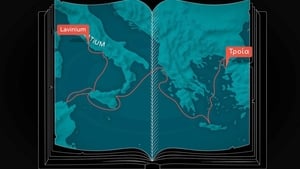
On the twenty-first day of April, in the year 753 BC, the people of Rome held a steadfast belief in the antiquity of their city, a conviction maintained for over a millennium. The legendary account of its founding, *Ab Urbe Condita*, meticu…
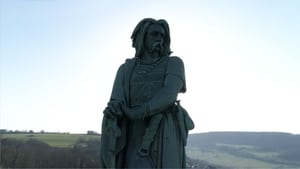
The Battle of Alesia in 52 BC concluded the famed “Gallic War,” a conflict celebrated by its victor, Julius Caesar. For France, the year 52 BC holds significance as the foundational moment of a national identity, embodied in the figure of V…
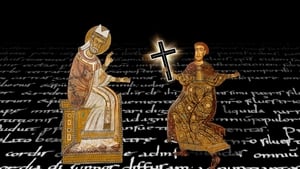
Around the middle of the eighth century, the Roman bishops' chancery stood poised to become the spiritual successor to the Western emperors. It was at this juncture that the chancery perpetrated what remains the most significant forgery in …
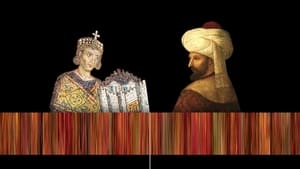
With the capture of Constantinople, the Byzantine Empire, a continuation of the legacy of ancient Rome, ceased to exist. The event’s significance has resonated far beyond its immediate historical context, acquiring a timeless and powerful s…

Though globally renowned, Lascaux is no longer regarded as the definitive "Palace of Versailles" or "Sistine Chapel" of prehistory, nor the sole birthplace of artistic invention. Might it instead represent a "Middle Ages" for prehistoric an…
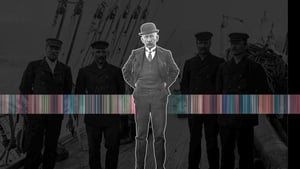
In 1911, the Norwegian expedition under Amundsen’s command achieved the first conquest of the South Pole, surpassing the efforts of Robert Falcon Scott. This triumph marked the culmination of a grand narrative, the final chapter in a prolon…
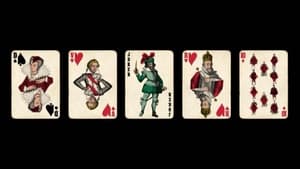
The assassination of Henri IV, the king who brought peace and initiated reforms, stands as a pivotal moment in the narrative of France, marking not only a significant political shift but also a turning point in the development of modern pol…
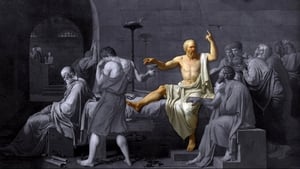
The city of Athens condemned Socrates. Was this renowned thinker, capable of challenging the minds of its young citizens, truly a threat to a democracy, a system often envisioned as more perfect than it actually was?
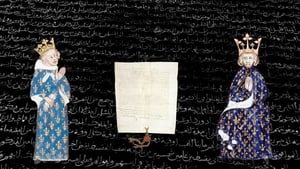
On August 25th, 1270, Louis IX passed away on a hill overlooking Carthage. He was the sole French monarch to die beyond the boundaries of his kingdom, a particularly poignant circumstance given that he breathed his last on land not of Chris…

On October 17, 1961, at the behest of the FLN, an estimated twenty to thirty thousand Algerians residing in France marched peacefully through the streets of Paris. The authorities arrested twelve thousand individuals during the demonstratio…
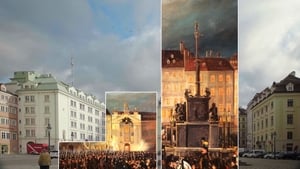
The phrase "Spring of Nations" resonated in the 2011 "Arab Spring." Also known as the Springtime of the Peoples, this period witnessed a surge of national aspirations. Yet, these movements struggled with coordination, primarily because they…

The seizure and plundering of Emperor Qing Xianfeng’s summer residences in Beijing marked a bitter conclusion to the Second Opium War, a conflict that saw France and the United Kingdom clash with China for colonial dominance. However, this …
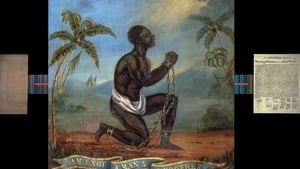
The American Revolution is sometimes presented in a manner that diminishes its significance, rendering it almost a muted event.
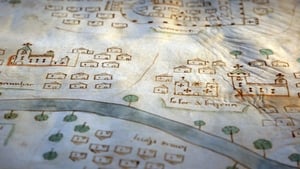
The year 1000 holds no particular significance. The transition from the tenth to the eleventh century was not marked by any singular, defining occurrence for those who lived through it. The widely known "Terrors of the Year 1000" are largel…
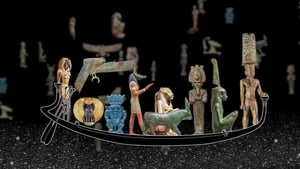
Could it be that Blake and Mortimer were correct in *The Mystery of the Great Pyramid*? The reign of Akhenaten, the tenth pharaoh of the eighteenth dynasty, lasting seventeen years, remains, even now, a perplexing enigma in the annals of hi…
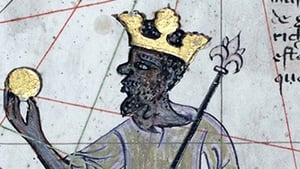
Fourteenth-century Arab chronicles are rife with a persistent tale: a black emperor and his retinue journeyed from the westernmost reaches of the known world, traversing the Sahara, to undertake a pilgrimage to Mecca. Their passage took the…
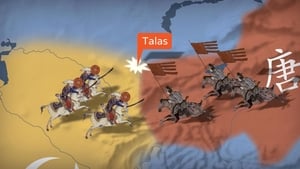
Around the year 750 AD, a conflict of no clear outcome unfolded in the heart of Central Asia, on the fringes of what is now Kazakhstan and Kyrgyzstan.
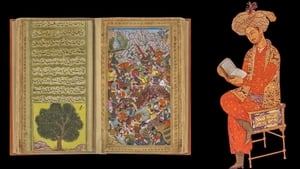
On April 21st, 1526, the young king of Kabul, Babur, decisively seized northern India from Sultan Ibrahim Lodi of Delhi. This triumph marked the beginning of a new era of Islamic expansion, one that would eventually reach the coasts of Indo…
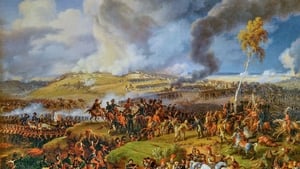
Beyond the readership of Tolstoy, little is known of the Battle of Borodino, fought roughly 62 miles from Moscow. Even now, it endures as a significant event, a potent symbol of Russian defiance against the invading Napoleon Bonaparte.

Prior to the events of September 11, 2001, the date carried a different weight, linked instead to the 1973 coup in Chile. In that year, the Chilean armed forces, with support from the United States' intelligence agencies, overthrew the soci…