






American Experience — Season 9
Born into a privileged New York family deeply committed to social justice, TR battled his debilitating asthma with rigorous physical exertion. He rose through the ranks to become a New York State assemblyman. But fate dealt a cruel blow wit…
Following William McKinley's assassination, Theodore Roosevelt ascended to the presidency, a circumstance many considered unforeseen. Viewing himself as a champion of the people, Roosevelt wielded the office to further his ambitious program…
The story of the impoverished boy who amassed a vast fortune in railroads and steel is one of striking paradox. Unlike his contemporaries, this industrial titan embarked on a deliberate and comprehensive program of philanthropy, a course th…
Liliuokalani navigated two worlds with effortless grace. She had dined within the White House, been a guest at Buckingham Palace, yet remained deeply rooted in Hawaiian traditions. As a writer and composer, she found herself unexpectedly bu…
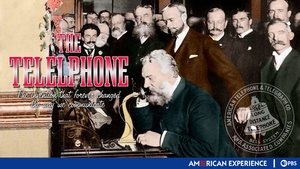
Initially available only to those of refined social standing, considered a costly indulgence for physicians and merchants, the telephone had, within a decade, begun to reshape American life. Where once trees stood, now rose telephone poles …

The largely forgotten tale of Philo T. Farnsworth begins with a Utah farm boy who, at fourteen, first conceived of electronic television in his mind's eye. A man of singular brilliance and unconventional ways, Farnsworth dedicated years to …
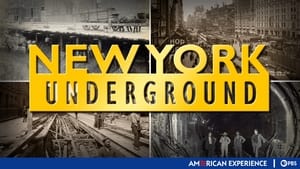
The blizzard of 1888 – mountains of snow reaching twenty feet, horse-drawn vehicles stranded, the city brought to a standstill – made the need for public transportation undeniable. It promised to be an American undertaking of epic proportio…

This is a narrative exploring the complex factors contributing to the decline of the family farm in America.

At nineteen, Nellie Bly secured an unlikely position with a newspaper and swiftly rose to become widely regarded as America’s foremost reporter. A woman of keen seriousness and spirited determination, she sought to expose the mistreatment o…

The United States of the 1890s endured a period of profound hardship. A severe economic downturn crippled banks and businesses, displacing millions from their livelihoods. Then, the discovery of gold in the frigid, unclaimed territory betwe…
In *Vietnam: A Television History*, the narrative commences by exploring the origins of the conflict, anchoring them in the era of French colonialism. The chapter "America's Mandarin" examines the burgeoning American engagement with Vietna…
*LBJ Goes to War (1964-65)* chronicles the deepening American commitment to conflict in the wake of the Tonkin Gulf Resolution. Featuring interviews with General William Westmoreland (Ret.) and former Secretary of State Dean Rusk.
"America Takes Charge (1965-67)" presents firsthand accounts from American soldiers detailing their experiences in combat during the period of escalating U.S. military involvement. The volume also includes a narrative juxtaposing American a…
In its latest installment, "Vietnam: A Television History" delves into the intensifying conflict of "America's Enemy (1954-67)." The episode charts the war's progression through the eyes of North Vietnamese leaders and their people, commenc…
"Vietnam: A Television History" presents stark television news footage depicting the North Vietnamese and Viet Cong's ambitious offensive of "Tet 1968." Former Secretary of State Dean Rusk observes that the attacks secured a "brilliant poli…
"Vietnam: A Television History" recounts the slow drawdown of American forces and their eventual replacement by South Vietnamese soldiers in "Vietnamizing the War (1968-73)." Yet, a pall of low morale hung over the remaining American troops…
The unfolding history of Vietnam details America's escalating involvement, including its clandestine bombing campaigns in Cambodia and Laos. The cessation of bombing in August 1973 paved the way for the Communist Khmer Rouge to advance on P…
"Vietnam: A Television History" recounts the peace negotiations in Paris during the years 1968-73, a period titled "Peace Is at Hand." The narrative details Henry Kissinger's clandestine meetings with Le Duc Tho. Concurrently, as diplomatic…
"Vietnam: A Television History - Homefront U.S.A." charts the deepening divide between those who championed and those who opposed the conflict, following the trajectory from the initial protests of the mid-1960s through to the tragic Kent S…
The documentary *Vietnam: A Television History* concludes with "The End of the Tunnel," a segment detailing the 1973 Paris Peace Accords and the ensuing disintegration of South Vietnam. This section features powerful footage of helicopter e…
Theodore Roosevelt assumed the presidency at the age of forty-six. During his time in office, he oversaw the construction of the Panama Canal, earned the Nobel Prize for Peace, and aggressively championed far-reaching social reforms. With h…
The year is 1912, and Theodore Roosevelt finds himself in opposition to his former friend, William Howard Taft, for the Republican nomination. Taft prevails, but Roosevelt, fueled by a fervent belief in progressive reform, launches his own …














