






American Experience — Season 12
From its inception, New York, as noted by David Ogden Stiers, was fundamentally a venture for commerce, a reality when Henry Hudson first navigated into its harbor in the service of the Dutch East India Company. The first part of this accou…
"Order and Disorder: 1825-1865" chronicles a time of remarkable expansion and social upheaval. The majority of the influx of new populations were Irish immigrants—a hundred thousand by 1842, a figure predating even the devastating potato fa…
"Sunshine and Shadow: 1865-1898" chronicles a period during the Gilded Age when New York City, as narrator David Ogden Stiers observes, housed both the most profound wealth ever accumulated and its starkest counterpart in poverty. This segm…
"The Power and the People: 1898-1914" evokes the age of widespread immigration. As narrator David Ogden Stiers observes, "The entire world would arrive at the city's doorstep," a figure of 1.2 million in a single year in 1907. Writer Pete H…
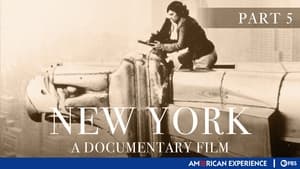
*Cosmopolis: 1914-1931* recounts the years of World War I and the exuberant decade of the 1920s within the city F. Scott Fitzgerald dubbed "the land of ambition and success." While the stock market crash of 1929 is often remembered, the cit…
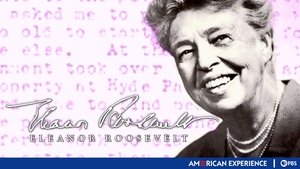
Eleanor Roosevelt (1884-1962) stands as a figure of singular distinction: wife to a president, niece to another, and, according to historian Geoffrey Ward, "one of the best politicians of the 20th century" in her own right. Such acclaim is …
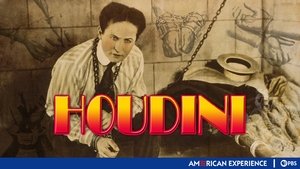
In a biography of Harry Houdini (1874-1926), narrated by Mandy Patinkin, the focus lies on the magician’s astonishing accomplishments. Later feats are presented in archival footage, while earlier ones are meticulously recreated. The book ex…

This film traces the intricate three-year process culminating in Richard Nixon's groundbreaking visit to the People's Republic of China in February 1972. According to narrator David Ogden Stiers, the event fundamentally shifted the global b…
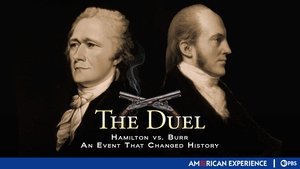
According to narrator Linda Hunt, the duel between Alexander Hamilton and Aaron Burr occurred in 1804, pitting “the founder of American capitalism and the first modern American politician” against each other. The program includes biographic…
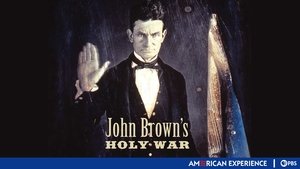
John Brown remains a figure of intense debate – hailed as a hero by some, condemned as a fanatic by others; perhaps both interpretations hold a measure of truth. Regardless, his actions undeniably contributed to the outbreak of the Civil Wa…
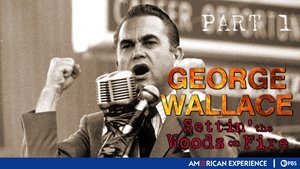
This two-part portrait of George Wallace, as recounted by Randy Quaid, chronicles a man who, according to the narrator, "divided a nation and ignited a conservative movement that reshaped the country." The first part traces Wallace's ascent…
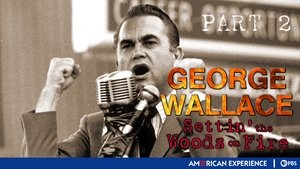
The final installment of this profile of George Wallace (1919-98) examines his presidential aspirations and the 1972 assassination attempt that left him paralyzed. "He craved power," his daughter Peggy observes, and the shooting did not det…

In a compelling account of the 1870s, the Jubilee Singers, a vocal ensemble of former slaves, disseminated the rich tradition of African-American music, bringing songs like "Swing Low, Sweet Chariot" and "This Little Light of Mine" to a wid…
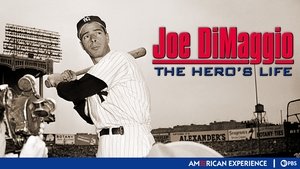
A portrait of Joe DiMaggio (1914-1999), baseball’s celebrated “Yankee Clipper,” examines how he cultivated, and fiercely protected, an aura of effortless grace, both as a player and in his personal life—an image his biographer, Richard Ben …
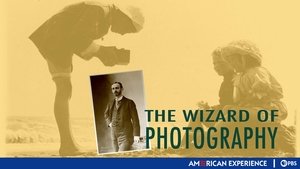
Judith Light introduces a portrait of George Eastman (1854-1932), the man whose Kodak and Brownie cameras irrevocably altered how people perceived their surroundings. The program draws upon interviews with historians, alongside archival sti…














