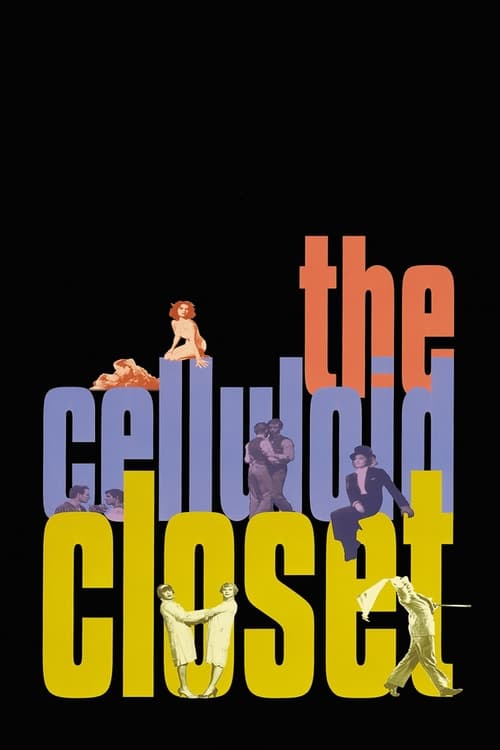




The documentary's assertions about certain stars featured might be a little generous, yet it still employs thoroughly researched archival material and hindsight to depict a “Hollywood Babylon”-esque look at a hundred years of gay Hollywood film-making. Beginning in the early days, before the enforcement of stricter production codes, with films from directors like Cecil B. DeMille, it offers an absorbing examination of cinematic history that includes familiar figures such as Greta Garbo, Dame Judith Anderson, Rock Hudson and Montgomery Clift. Rather than relying on sensationalized reporting from columnists like Louella Parsons, the film incorporates perspectives from individuals like Tony Curtis, Shirley MacLaine, and especially Gore Vidal, to highlight subtle messaging—like the censored oysters and snails scene in “Spartacus” (1960), which surprisingly made it through the Hays code. Several of the commentaries powerfully emphasize the inherent conservatism within an industry that was reluctant to challenge societal norms, either through its content or by showcasing prominent figures who were unwilling to stir controversy in a nation that largely disapproved of same-sex relationships—unless those relationships involved Jack Lemmon or a stereotyped “sissy” providing comic relief alongside stars like Marilyn Monroe or Jane Russell. Following the eventual shift, which came relatively late in the United States compared to Europe and even the UK, it paved the way for major actors like Susan Sarandon and Tom Hanks to take on explicitly gay roles, or characters with cleverly ambiguous portrayals. The film also presents a thought-provoking contrast between how male-male relationships and female-female relationships were perceived, noting that the latter appeared less shocking while the former raised questions about traditional notions of masculinity and vulnerability. Gore Vidal truly steals the spotlight when he recounts a conversation on the set of “Ben Hur” (1959), where he and William Wyler pondered whether Charlton Heston and Stephen Boyd might have had an ulterior motive for that particular look in their eyes at the film’s opening—Boyd, specifically! Overall, it's an engaging historical overview that casts a wide net and uncovers some unexpected insights, but it's worth taking certain claims with a grain of salt.
On September 27, 2026
#22301▼ 12083
22301st by Pulse movie online22.1PULSEPulse MeterOur daily Pulse Meter measures public activity and popularity signals across the web.How it works →