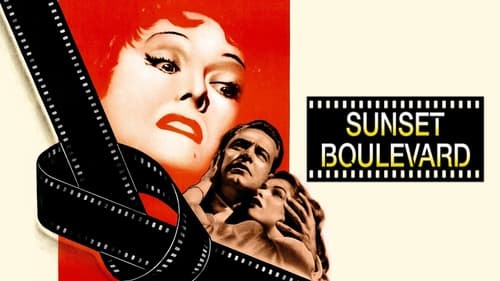





**A landmark achievement from Hollywood’s golden age.** This movie possesses a unique quality. It provides insight into the world of filmmaking during that era while also exposing the egos, insecurities, and intense struggles faced by actors trying to maintain their careers and relevance. Directed with brilliance by Billy Wilder, it is widely considered a classic film, successfully blending entertainment, artistic merit, and cultural significance. In 1951, it received three Academy Awards (Best Screenplay, Best Art Direction – Black and White, Best Musical Score), and could easily have secured a fourth for the performance of the lead actress. However, awards are rarely entirely fair, especially in years with such strong contenders. Beginning with the memorable scene featuring the body in the swimming pool, the film immediately draws you in, fueling curiosity as it reveals how events unfolded. We’re introduced to an ordinary screenwriter struggling to write a successful script that could boost his career. Burdened by debt and facing serious trouble, he seizes an opportunity to make some money by exploiting a retired silent film star who hires him to revise and type a screenplay she wrote herself—a project intended as her comeback vehicle. The script is unremarkable, and he knows the movie won’t be made, but he's pressured into silence, becoming a privileged witness to the former star’s gradual decline in mental clarity. Naturally, matters become more complicated as he loses his independence and grows increasingly reliant on the desires of his employer. Despite being fictional, the film draws heavily from several real-life events; perhaps the most evident is the downfall of numerous actors during the transition from silent to sound films. Many performers who appeared stunning onscreen lacked the necessary English skills or had unusual accents, preventing them from adapting to the new medium. This led to personal and professional ruin for some, resulting in alcoholism, substance abuse, and mental health issues. The film manages to encapsulate much of this within a single character: Norma Desmond, representing the quintessential fallen star. The cast includes several familiar names, with William Holden, Erich Von Stroheim, and Gloria Swanson delivering particularly noteworthy performances. It’s worth remembering that Swanson was a major star in silent films, appearing in titles like “Trespasser” and "Indiscreet," while Holden continued to be a highly sought-after actor, later winning his own Best Actor Oscar. Nevertheless, there's no doubt that this film secured their places in cinematic history. From a technical standpoint, the film is flawless. Much of its strength lies in the sharp dialogue, the skillful character development, and Wilder’s ability to elicit an exceptional performance from Swanson—a portrayal that was both brilliant and challenging, even provoking some Hollywood stars who recognized themselves in the character. The pacing is excellent; the film maintains a sense of tension and drama without ever feeling stagnant. The mansion, belonging to the Getty family, takes on a life of its own, becoming a potent symbol of the resident’s troubled psyche. The black-and-white cinematography is superb, enhancing the dramatic atmosphere through its details and camera angles. While not particularly memorable, the soundtrack effectively complements the film's tone.
On September 24, 2026
#1699▲ 1
1699th by Pulse movie online52.6PULSEPulse MeterOur daily Pulse Meter measures public activity and popularity signals across the web.How it works →