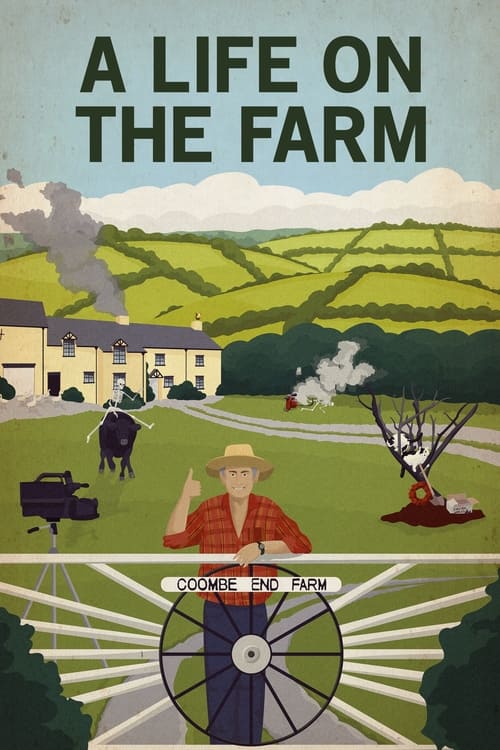




The documentary “A Life on the Farm” initially presents itself as a simple account of a solitary farmer who enjoyed recording videos of his daily activities. Filmmaker Oscar Harding was taken aback to discover, after his grandfather’s death, a videotape from Charles Carson, a longtime neighbor. Intrigued and puzzled, Harding watched the VHS, finding himself confronted with footage that felt unsettlingly like a horror story, leading to this disturbing yet captivating found-footage documentary. Charles seemed to lead an ordinary, quiet existence on his Somerset, England property, caring for cows and cultivating crops. Unbeknownst to those around him, he had a habit of making his own films. Charles would essentially host a strange farming variety show, documenting peculiar aspects of his life for future viewing. The grainy videos are strangely captivating, eliciting laughter and dread in equal measure. These range from the sudden death and ritualistic burial of his cherished barn cat to explicit depictions of a cow’s birth, including an intimate view of the calf's placenta. Charles provided a genuine look into the realities of farm life, with its inevitable challenges. Crops fail, animals die, but the process of renewal and growth persists. As Harding delves further, it becomes clear that filmmaking served as Charles’ way to cope with the emotional ups and downs of existence. Harding investigates the Carson family history, from their initial acquisition of the property to more poignant recollections of Charles' relationship with his mother. This leads into a surprising and gentle exploration of grief, featuring old photographs Charles took of his parents and pets (both living and deceased). Charles was fascinated by this cycle of existence, but the film prompts a singular question: was he a brilliant individual or someone disturbed? The movie allows viewers to draw their own conclusions, and the distinction isn’t as straightforward as one might expect. Harding primarily uses footage from Charles' videotapes to construct his narrative, interspersed with interviews featuring camcorder aficionados and other admirers of Charles’ home movies. At times, the film displays imagery that is difficult to witness, yet impossible to ignore. “A Life on the Farm” concludes with a truly remarkable ending: Charles, wearing a kilt and playing an improvised instrument, playfully interacting in a field filled with roaming chickens. This unusual documentary stands as a lovely tribute to a uniquely lived life.
On October 4, 2026
#163153
163153rd by Pulse movie online0.1PULSEPulse MeterOur daily Pulse Meter measures public activity and popularity signals across the web.How it works →