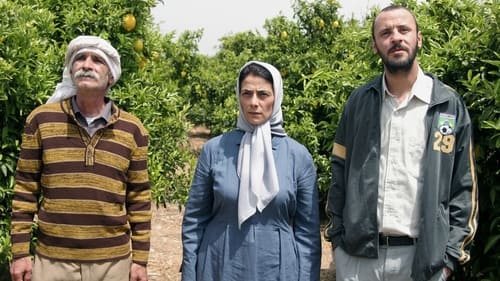




To appreciate "Lemon Tree," it's important to consider the time of its release in 2008, when the tensions of the Israeli-Palestinian conflict seemed different than they do now. There was a sense that both communities were more cautious, and the idea of people connecting across the divide felt within reach. Watching it today, the film feels like an alternate possibility—a point where compassion could have won out over the systems of occupation. The fact that it didn’t makes "Lemon Tree" simultaneously inspiring and deeply sad. Director Eran Riklis employs a restrained style, which some might find excessive. The story itself could have benefited from greater boldness, encouraging either Salma or the Defense Minister's wife to be more daring in their attempts to connect across the separation that exists between them. However, what the restraint lacks in dramatic intensity, it makes up for in quiet grace. Hiam Abbass gives a remarkable performance as Salma; her face conveys a range of emotions—hidden sorrow, resistance, and weary strength. The film's real impact comes from its symbolic conclusion. The Defense Minister and Salma are both shown observing "the Wall," which represents a physical and emotional obstacle that holds them captive. One is held back by authority and fear, the other by lack of agency and occupation, but they are both restricted in their own ways. The film’s message comes across with striking force: unless we find the bravery to care for those who we've been instructed to dislike, then we become prisoners—in this world and beyond. "Lemon Tree" is a subdued exploration of a harsh reality, serving as a reminder that the choices we didn’t make continue to affect us just as much as the ones we did.
On September 22, 2026
#54128▲ 9152
54128th by Pulse movie online10.0PULSEPulse MeterOur daily Pulse Meter measures public activity and popularity signals across the web.How it works →














