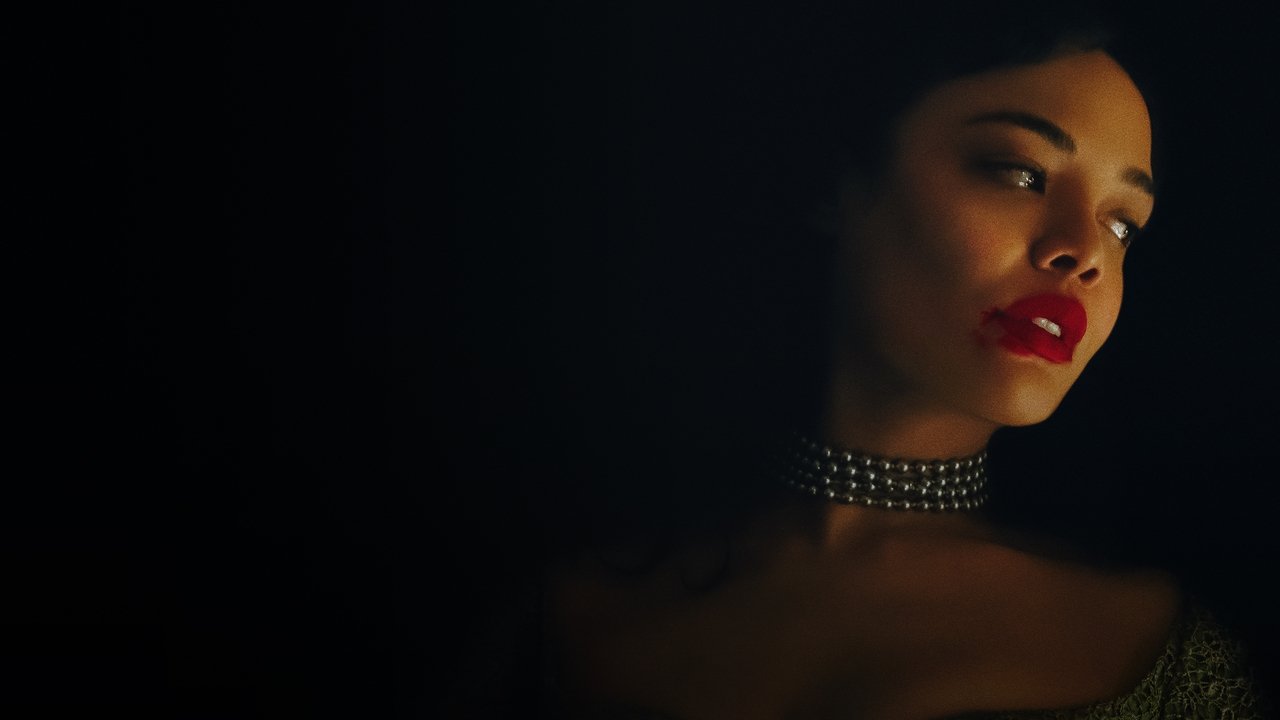





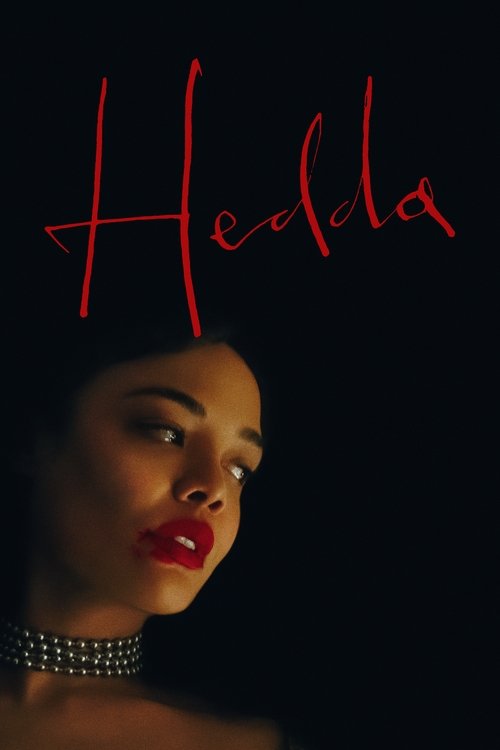
Reimagining a celebrated work of art—regardless of its original form—is inherently difficult. This challenge is amplified when transitioning between different artistic spaces, such as from stage to screen, or when altering fundamental aspects like setting, time period, and characters. When these changes occur simultaneously, the resulting adaptation can become significantly problematic. Writer-director Nia DaCosta faced this task in her reimagining of Henrik Ibsen’s classic play, *Hedda Gabler*. When Ibsen wrote this work in 1890, it continued his exploration of women with strong wills—a series of works some consider to have made him a pioneer of feminist thought. This began with *A Doll’s House* in 1879, which detailed the life of a wife and mother who bravely challenged her controlling husband. In *Gabler*, however, Ibsen created a darker figure: an ambitious, manipulative trophy wife determined to achieve wealth and comfort by any means necessary. This adaptation builds on themes from Ibsen's original but updates them for contemporary audiences—and increases the sense of menace. The story is set in the 1950s instead of the late 19th century, incorporating technology, music, and other cultural elements absent in Ibsen’s time. Hedda has also been altered; she retains her insincerity and scheming nature but is now Black, bisexual, and more intensely driven than ever before. She remains married to George (Tom Bateman), a devoted but somewhat bland academic hoping for a professorship that will provide the financial support she desires—a lifestyle she doesn’t always appreciate. However, his prospects are threatened by a rival colleague, Eileen (Nina Hoss), who recently achieved success with a best-selling book and also happens to be Hedda's former lover. These plot threads converge at a lavish party hosted by George and Hedda to improve his chances of promotion. The evening initially appears successful until Eileen arrives, accompanied by her collaborator and admirer, Thea (Imogen Poots), a timid childhood friend of Hedda’s. As the party unfolds, Hedda manipulates events to her advantage, with unforeseen consequences. This intrigue takes place against a backdrop reminiscent of films like “The Great Gatsby” (2013) and "Babylon," with touches of "Eyes Wide Shut" (1999) adding an erotic edge. The narrative largely resembles a catty, vengeful, almost campy 1980s prime time soap opera—though it thankfully improves as the story progresses. Despite the film’s attempt to convey a message about pursuing what truly matters in life, the story is weighed down by unlikeable characters with few redeeming qualities. Many of the filmmaker's changes from Ibsen’s original feel superficial rather than substantive. The performances are a significant strength, particularly those of Hoss and Poots. While Tessa Thompson makes a valiant effort to embody one of the most challenging female roles in acting, she doesn’t fully capture Hedda’s essence, at times seeming to struggle with a portrayal that feels just beyond her reach. That feeling, essentially, encapsulates my overall impression—a worthy attempt to refresh a classic, deserving of recognition but perhaps not the widespread praise it seems to seek.
On September 20, 2026
#4978▲ 258
4978th by attention movie online46.2Attention ScoreAttention ScoreOur daily Attention Score measures public activity and popularity signals across the web.How it works →