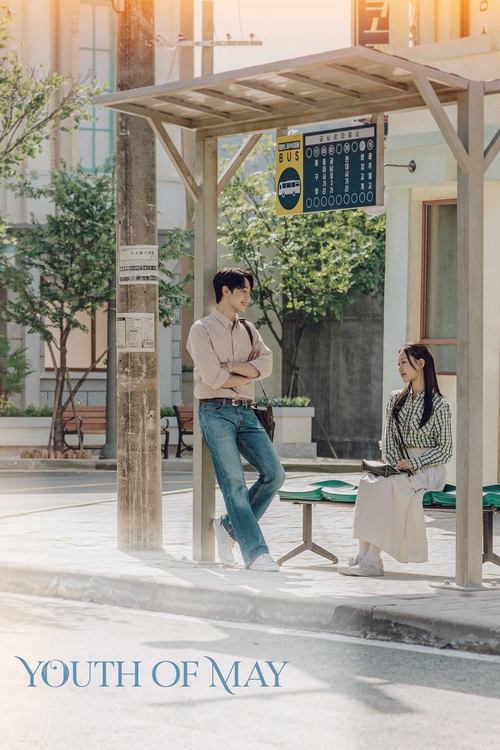





The series frequently relies on "real life events" as justification for plot contrivances, which comes across as an indication of uninspired writing. The character who serves as the opposition is depicted with almost supernatural abilities—knowing everything, having incredible insight, and exerting control over everyone around them; it’s essentially a portrayal of a deity. This significantly damages the story's credibility and lessens the impact of the central struggle by removing any sense of equilibrium or opportunity for characters to genuinely evolve. Such characterization is acceptable in outlandish melodramas, action films without much thought behind them, or silly adventures, but not here. Rather than creating a truly tragic narrative, it devolved into an extended sequence of avoidable suffering, illogical actions, and forced connections. That’s simply not how tragedies are made. The actors portraying the brothers who were meant to be pivotal for the climax weren't introduced until the final few episodes. It’s hard to become invested in them under those circumstances. While some secondary characters initially receive attention—or eventually do, as with the brothers—they ultimately feel underdeveloped and shallow. Their involvement seems unimportant and doesn't add anything substantial to what happens overall. Either dedicate sufficient time to developing these characters or avoid wasting screen time on them altogether. The twelve episodes already felt stretched out! Even though it tackles potentially emotional subjects, the drama doesn’t explore the inner lives of its characters in a meaningful way. Instead, the storytelling feels rushed and superficial, with editing that barely keeps the plot moving forward.
On October 3, 2026
#7180
7180th by Pulse TV show online3.0PULSEPulse MeterOur daily Pulse Meter measures public activity and popularity signals across the web.How it works →