



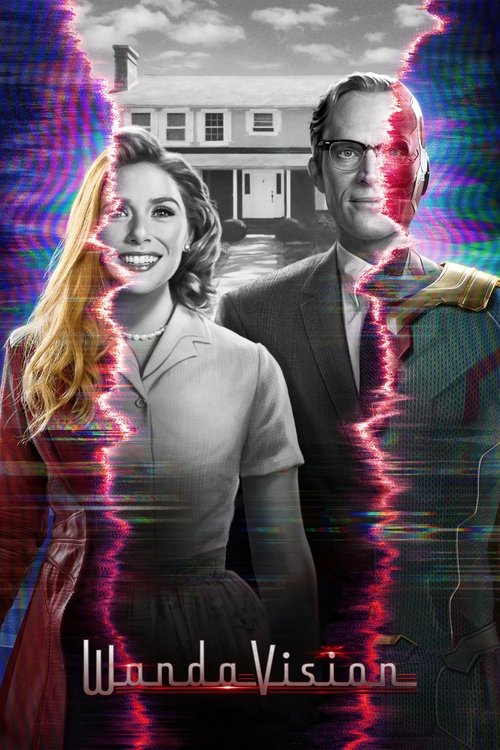
WandaVision represents a bold and inventive step forward for superhero narratives, reshaping expectations of what the genre can achieve. The series begins with an unexpected immersion into classic television sitcoms, drawing inspiration from shows like I Love Lucy and Bewitched—a surprising choice that quickly proves its effectiveness. WandaVision reminds us that emotional impact can be most powerful even within a world accustomed to large-scale conflicts. Elizabeth Olsen delivers a captivating performance as Wanda Maximoff, demonstrating remarkable growth in her character as she transitions between sitcom humor and moments of intense emotional vulnerability. The desperation with which Wanda attempts to maintain control over her disintegrating reality is both heartbreaking and frightening, and Olsen conveys that pain with striking intensity. Paul Bettany complements her work with comedic skill, adding new dimensions to Vision’s character and creating compelling emotional exchanges between them. However, WandaVision extends far beyond a simple tribute to nostalgia; it's an immersive experience overall. Each episode meticulously recreates different eras of television, from the simplicity of 1950s black-and-white programming to the vibrant energy of the 1980s. The attention to detail in set design and costumes creates a visually rich atmosphere. It’s easy to believe you're watching an episode of The Dick Van Dyke Show—until subtle cracks appear, hinting at a darker reality hidden beneath the surface. Visually, WandaVision is striking. The changing aesthetics aren’t merely decorative but are integral to the story itself. As the series progresses through various television eras, the visual style reflects Wanda's emotional state. The initial perfection of the sitcoms begins to crumble, mirroring how grief and trauma can distort one’s perception of reality. This isn't just a playful trick—it serves as a profound metaphor for Wanda’s internal breakdown, making her unraveling something you feel as much as you see. At its core, WandaVision explores themes of grief, trauma, and identity. Wanda is not simply mourning Vision; she is grappling with her sense of self after experiencing significant loss. Despite possessing immense power that allows her to shape reality, she struggles to confront the emotional pain within. The show visually portrays this conflict, with each disruption in her constructed world symbolizing a fracture in her own sense of self. WandaVision powerfully captures a woman struggling with her identity, attempting to reconcile her past experiences, present suffering, and future prospects. This crisis of identity influences every decision Wanda makes. Unable to release her trauma, she constructs a reality where she can escape from it. As the cracks in her illusion widen, it becomes apparent that even her considerable power cannot shield her from the truth. The show’s intricate narrative and visual style transform Wanda’s story into a poignant reflection on how trauma reshapes our sense of self and how avoidance only intensifies emotional wounds. A particularly telling moment is the family dinner scene in the opening episode. What begins as a typical sitcom scenario quickly becomes unsettling as Wanda struggles to maintain control over her surroundings. The laughter fades, the lighting shifts, and a palpable discomfort arises as her carefully built world teeters on the brink of collapse. In moments like these, WandaVision skillfully balances its tonal shifts, moving from playful homage to psychological thriller with impressive skill. The series unfolds at a deliberate pace, which allows for greater emotional depth. WandaVision takes its time, allowing viewers to connect with Wanda’s grief and confusion. While this might feel unusual for some, particularly those expecting the fast-paced action typical of Marvel productions, it is essential to the show's impact—it provides the emotional stakes room to develop, and the eventual payoff is rewarding. As Wanda’s world falls apart, tension builds not through action sequences but through the gradual unraveling of her illusions. Marvel’s decision to prioritize emotional complexity over explosive action in WandaVision marks a significant departure from its established formula. This shift suggests a broader evolution within superhero media that embraces introspection and character-driven storytelling. WandaVision demonstrates that superhero stories can be just as much about internal struggles as external ones, establishing a new standard for the genre’s potential. While Olsen and Bettany are central to the series, the supporting cast also shines brightly. Kathryn Hahn is particularly memorable as Agnes, bringing both comedic flair and an unsettling undertone to her role. Her transformation from a nosy neighbor into something far more sinister is one of the show's most captivating developments. Teyonah Parris, portraying Monica Rambeau, adds emotional depth to the connections within the broader MCU, grounding the narrative while also revealing her own vulnerabilities. Monica’s personal experience with loss—having been erased from existence and returning to find her mother gone—mirrors Wanda’s grief, adding layers to the show's exploration of trauma. Both actresses contribute significantly to the ensemble, creating a rich tapestry of performances. Matt Shakman and Jac Schaeffer deserve considerable credit for crafting a series that successfully blends absurdity with emotional resonance. The tonal shifts—from sitcom parody to psychological horror—could have easily disrupted the narrative; instead, they enhance the show’s complexity. Their direction and writing push the boundaries of superhero storytelling, resulting in a series that feels both innovative and intimate. Another noteworthy scene is Wanda’s confrontation with Agatha Harkness (Kathryn Hahn) later in the series. This moment represents the complete collapse of Wanda’s illusion, and Agatha's role as a manipulator intensifies the tension. It’s an emotionally charged showdown that strips away Wanda’s defenses, forcing her to confront the pain she has buried beneath layers of sitcom facades. This confrontation highlights the show’s ability to seamlessly transition from personal drama to supernatural spectacle while maintaining its emotional core. Of course, WandaVision may not appeal to everyone. Its experimental structure and slower pace might disappoint viewers expecting the fast-paced action typical of the MCU. However, for those willing to embrace its reflective nature, the series offers a more profound and emotionally charged experience—a gamble that pays off handsomely. WandaVision is not only a standout within the MCU but also in contemporary television overall. Its combination of genres and experimentation with form transcends the superhero genre, placing it alongside shows like Legion, which uses genre as a framework to explore deep emotional and psychological territory. WandaVision proves that superhero stories can be just as rich, layered, and complex as any prestige drama, demonstrating that sometimes, the most compelling battles are those we fight within ourselves. So, is WandaVision a triumph? Absolutely. By blending nostalgic sitcom elements with emotional depth and mind-bending twists, WandaVision redefines what superhero storytelling can be. Marvel has established a new benchmark for its television programming, and if this represents the direction they’re heading, I'm eager to see what comes next.
On September 20, 2026
#478▲ 84
478th by attention TV show online25.7Attention ScoreAttention ScoreOur daily Attention Score measures public activity and popularity signals across the web.How it works →