



On October 3, 2026
#11164
11164th by Pulse TV show online2.2PULSEPulse MeterOur daily Pulse Meter measures public activity and popularity signals across the web.How it works →
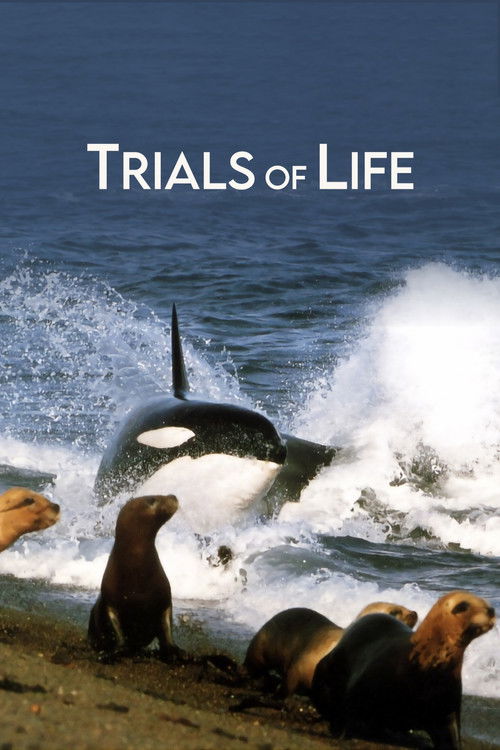
Trials of Life — Season 1
- Oct 4, 1990First aired
- 12 episodesin this season
- 50mavg. runtime
#Episode nameAir dateRuntimeRating
01 50mArrivingThe series begins by exploring the remarkable diversity of ways in which life enters the world. Attenborough introduces this with a glimpse of the annual spawning of the Christmas Island red crab, an event involving an estimated 120 million individuals. The undertaking is fraught with peril; these are land crabs, and their eggs must be laid in the sea – home to some of Earth’s oldest breeding animals. Among the most prodigious aquatic egg-layers is the giant clam, yet certain terrestrial creaturOct 4, 19906.0Oct 4, 199050m6.002
 50mGrowing UpThis programme explores the diverse strategies animals employ in raising their young. Attenborough suggests that childhood can be defined by two essential goals: growth and survival. The elephant seal provides a striking example of a compressed upbringing; abandoned after just three weeks, these pups must fend for themselves for up to eight more, growing large enough to swim independently. Conversely, terns find safety in the collective, their dense populations working together to repel predatorOct 11, 19906.0Oct 11, 199050m6.003
 50mFinding FoodThe following episode explores the diverse strategies animals employ to find sustenance. Attenborough’s journey begins within the lush South American rainforest, where an abundance of plant and animal life does not guarantee easy access to food. Certain leaves are poisonous, demanding caution from those who consume them; other plants utilize nectar as a lure, enticing pollinators, and several hummingbird species have forged exclusive partnerships with particular blossoms. Fruit also provides nouOct 18, 19906.0Oct 18, 199050m6.004
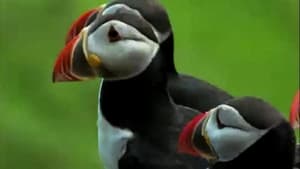 50mHunting and EscapingThis episode explores the world of predation and the ingenious strategies animals employ to evade capture. Sir David Attenborough experiences this firsthand when confronted by two skuas, fiercely protective of their nest – a vivid illustration of their aggressive nature, both in securing food and guarding their young. Along the Patagonian coast, a familiar pod of killer whales returns annually to target vulnerable sea lion pups venturing beyond the shelter of the shallows. Once captured, these pOct 25, 19906.0Oct 25, 199050m6.005
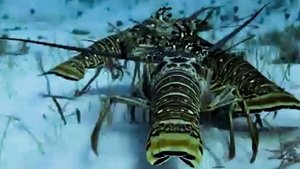 50mFinding the WayThis programme investigates the remarkable ways creatures navigate their world. David Attenborough begins his exploration in Africa, as dusk settles, revealing species that depend not on sight but on other senses. The spotted hyena uses its powerful sense of smell to guide it during nocturnal hunts, while galagos mark their territory by urinating on their hands, creating a scent trail to record their movements. Some animals employ echolocation – swiftlets, bats, and river dolphins among them. InNov 1, 19906.0Nov 1, 199050m6.006
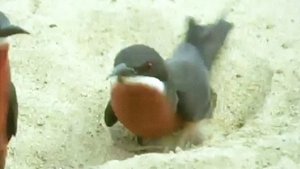 50mHome MakingThis episode examines how animals build shelters against the weather and potential predators. Burrows and underground retreats can offer substantial protection, and Attenborough investigates the home of the American prairie dog – an impressively complex structure complete with a natural air conditioning system. Silk is so prized that some creatures resort to stealing it when they cannot produce their own; the hermit hummingbird uses it to secure its nest beneath a leaf, while the Indian tailorbiNov 8, 19908.0Nov 8, 199050m8.007
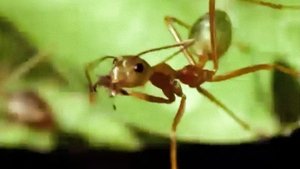 50mLiving TogetherThis episode explores species that engage in cooperative relationships, rely on others for survival, or even exploit them. Spotted deer accompany langur monkeys as they move through the forest canopy, feeding on leaves dislodged from above. In return, the deer act as sentinels, watching for danger while the primates forage on the ground. Beneath the waves, a hermit crab cultivates sea anemones to adorn its shell, gaining protection from octopus attacks, and a goby provides assistance to a nearlyNov 15, 19908.0Nov 15, 199050m8.008
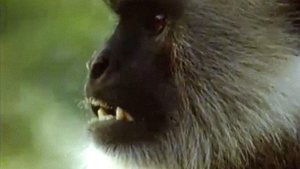 50mFightingThis programme explores how conflict – both physical and psychological – arises from competition for sustenance, territory, or a partner. The hummingbird’s territorial disputes are vividly demonstrated; Attenborough places a model bird nearby, only to witness it instantly impaled by an opponent's bill, showcasing its remarkable aggression. The midas cichlid, lacking any obvious weaponry, resorts to using its mouth in contests of strength, gripping firmly to endure the struggle. In contrast, theNov 22, 19906.0Nov 22, 199050m6.009
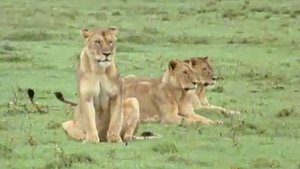 50mFriends and RivalsThis episode explores how animals living within social groups navigate their relationships with one another. The solitary flight of an eagle stands in stark contrast to the arrival of whooper swans in Scotland, having completed a 1,600-kilometre journey from Iceland. Upon reaching their destination, they must compete for territory, and typically pairs or families prevail. Attenborough uses a flock of farmyard chickens to illustrate the concept of a pecking order. A pride of lions is shown workinNov 29, 19906.0Nov 29, 199050m6.010
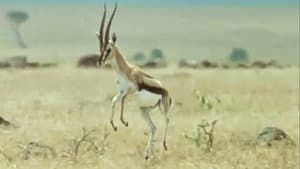 50mTalking to StrangersThis episode explores the myriad ways creatures communicate. In Kenya, Attenborough joins a tribesman who calls out to a honeyguide bird; the bird responds and guides them to a bees’ nest. The tribesman harvests the honey, leaving some as a reward for his avian guide. We witness African hunting dogs pursuing gazelles, focusing on the individual that jumps the lowest. Similarly, larks deceive merlins by employing a clever tactic: continuing their song while being chased signals to the predator thDec 6, 19906.0Dec 6, 199050m6.011
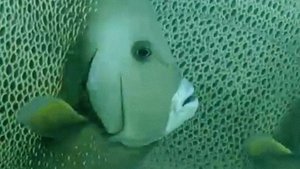 50mCourtingThis programme explores the diverse strategies animals use to attract a mate, focusing primarily on birds. The Indian florican, living as it does within dense grasslands, is notoriously elusive; to draw attention to itself, it repeatedly leaps in place, sometimes up to 400 times daily. Whales communicate with potential partners through song, their calls carrying over eight kilometres and reaching numerous suitors. When animals broadcast signals of attraction, they must also avoid attracting theDec 13, 19906.0Dec 13, 199050m6.012
 50mContinuing the LineThe final episode explores how species achieve their fundamental purpose: to propagate their genes across generations. This is a challenge faced universally, yet one that has inspired an astonishing range of strategies. Barnacles, rooted in place, possess both male and female reproductive cells, meaning any nearby individual could be a potential partner. Conversely, the lengthy gestation period – twenty-two months – experienced by a female elephant demands she select a robust and capable mate; hDec 20, 19906.0Dec 20, 199050m6.0













