





The Vietnam War — Miniseries

Following a century of French dominion, Vietnam achieved independence, yet found itself cleaved into two distinct nations: North and South.
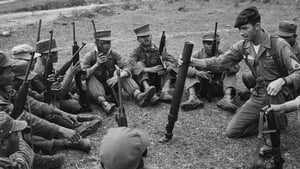
The escalating communist insurgency in Southeast Asia presented President Kennedy with a profound dilemma: the increasing entanglement of the United States in the affairs of South Vietnam.
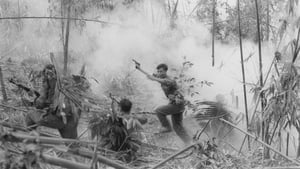
As the situation in South Vietnam deteriorated rapidly, President Johnson initiated aerial bombing campaigns against the North and deployed American troops to the South.
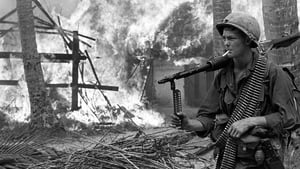
The reality of Vietnam proved a stark departure from the conflicts their fathers had known, a truth slowly dawning on the American soldiers stationed there. Simultaneously, a growing tide of opposition to the war swelled within the United S…
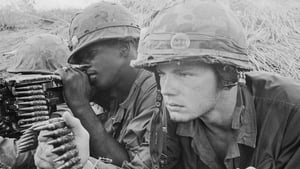
President Johnson intensified the conflict, assuring the nation that a decisive triumph was drawing near.
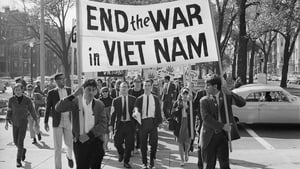
The nation, bruised by the Tet Offensive, haunted by assassinations, and simmering with unrest, appeared on the verge of disintegration.

Following the tumultuous proceedings of the Democratic Convention, Richard Nixon secured the presidency by a narrow margin, his campaign centered on a promise of peace.
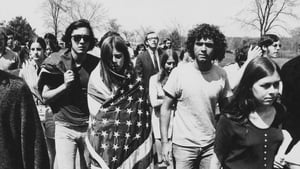
Though Nixon initiated a withdrawal of troops, the resurgence of the anti-war movement was fueled by his subsequent deployment of forces into Cambodia.
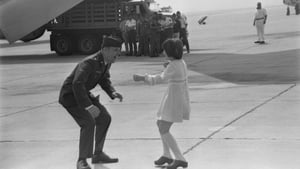
While America charts a course toward withdrawal, Nixon and Kissinger navigate the complexities of a negotiated exit strategy, South Vietnam perseveres on its own. The prisoners of war return home.
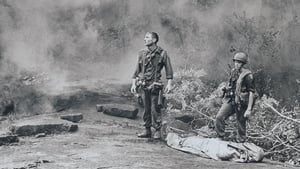
With the fall of Saigon, the war concluded. A shared yearning for healing arose among Americans and Vietnamese, regardless of their former allegiances, as they sought a path toward reconciliation.














