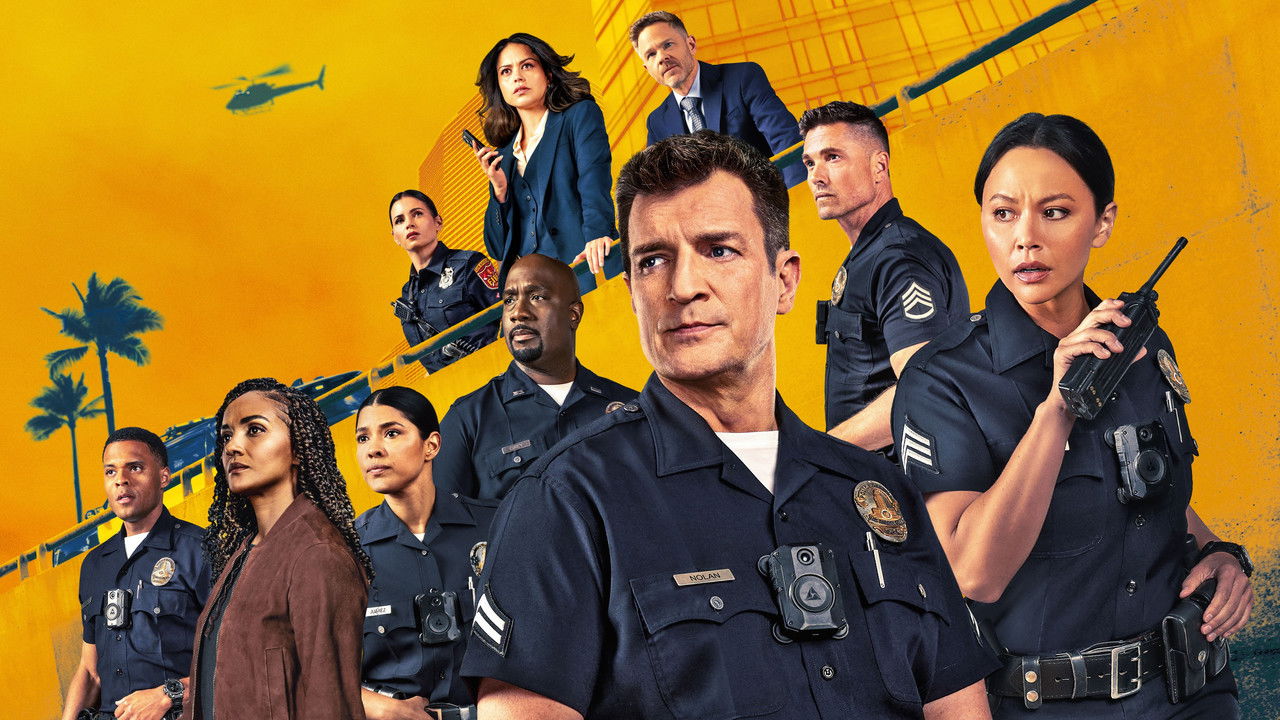





The initial episodes were quite promising, and I found myself enjoying them. It’s the kind of series my wife enjoys that prompts me to quip something like, "I preferred it when they called it Hillstreet Blues," followed by a jab about how unimaginative the title is and whether they even considered what they'd call it later on. However, I began to appreciate it steadily from the beginning, though it felt somewhat fleeting at times. I was genuinely engaged with the story. Then came 2020, which caused a sharp shift toward progressive politics, ultimately leading to its downfall. It adopted an anti-establishment perspective that felt out of place in a police procedural. The show began incorporating what seemed like ideological lectures. Romantic pairings deemed "inappropriate" by certain viewpoints were dissolved, and the overall quality declined significantly. I even started referring to it as “The Wokie.” Fortunately, it gradually started returning to its roots as a traditional cop series. Familiar characters reappeared, reverting to their original personalities rather than being confined to stereotypical representations. They regained distinct individual traits—a common failing, in my view, of left-leaning media, which often substitutes demographic characteristics for genuine character development. Essentially, the show managed to recover. It returned to being a police drama and rebuilt itself as an ensemble cast featuring interesting people. The most overtly political characters were removed, allowing it to refocus on entertainment value once more. It serves as a valuable illustration of how to salvage a program that has been overly influenced by politics.
On September 20, 2026
#103▼ 22
103rd by attention TV show online58.4Attention ScoreAttention ScoreOur daily Attention Score measures public activity and popularity signals across the web.How it works →