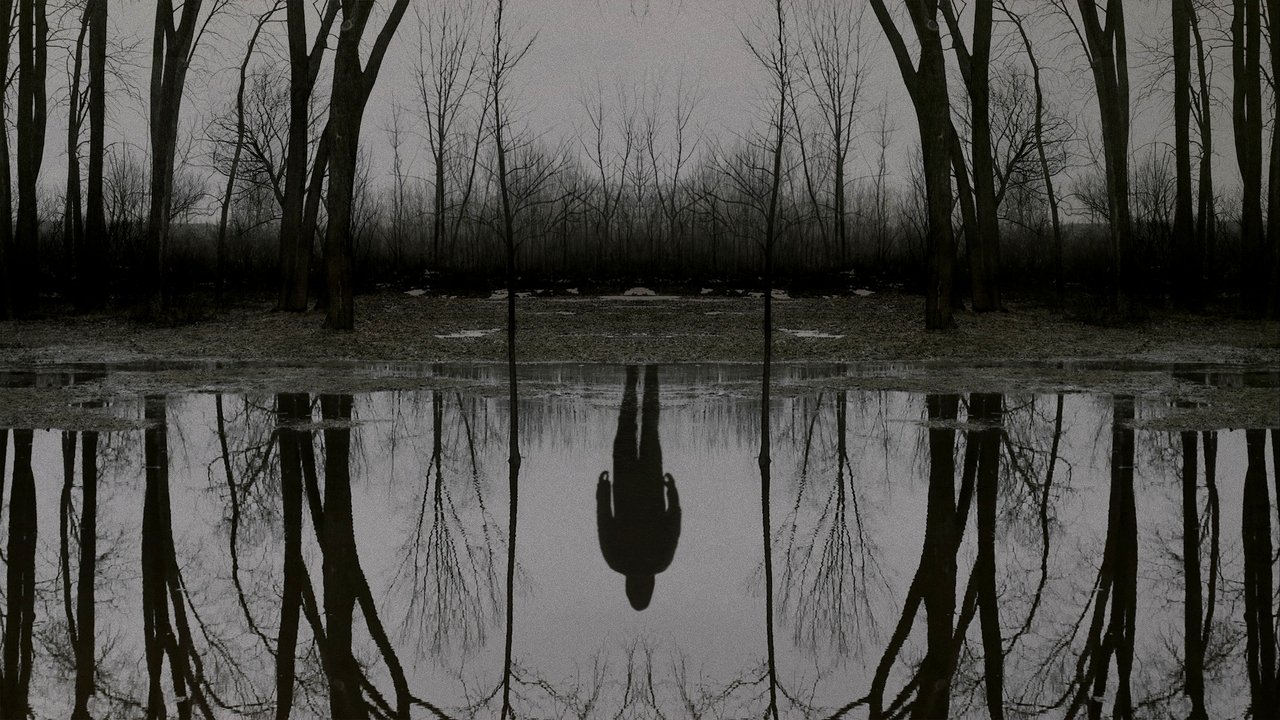





The show starts strong but the narrative loses focus as it progresses. > Reality is thin ice, but most people skate on it their whole lives and never fall through until the very end. We did fall through, but we helped each other out. - Stephen King; _The Outsider_ (2018) If you’ve ever wondered what a first season of _True Detective_ might have looked like if its supernatural hints had been more prominent, then _The Outsider_ offers a possible answer. The show begins as a dark and gritty police procedural before taking a sharp turn in the third episode and plunging headfirst into the supernatural by the sixth and seventh. These tones don’t always mesh well. While the initial episodes are easily the strongest, the foreboding atmosphere of those carefully crafted episodes diminishes as hokey horror elements begin to dominate, giving way to familiar Stephen King themes. Relatable ideas like guilt and grief are sidelined in favor of broader issues such as the spread of evil and ordinary people uniting against extraordinary circumstances—a common theme in King’s work. Despite these genre clashes, I found the show enjoyable. Having not read the novel, I was genuinely invested in discovering where everything would lead. Even though the journey, especially the early parts, proved more compelling than the final outcome, it was a journey I don't regret taking. In Cherokee City, Georgia, homicide detective Ralph Anderson (Ben Mendelsohn, consistently excellent) launches an investigation after the badly mutilated body of a young boy, Frankie Peterson, is found in the woods. Partnered with Georgia Bureau of Investigation agent Yunis Sablo (Yul Vazquez, understated), they quickly identify local little league coach and school teacher Terry Maitland (Jason Bateman) as a suspect, with multiple witnesses reporting seeing him covered in blood near the crime scene. When physical evidence and surveillance footage seemingly confirm Terry’s guilt, Ralph, still mourning his son's death years earlier, arrests him publicly. As Terry's wife, Glory (Julianne Nicholson, suitably distressed), and his lawyer, Howie Solomon (Bill Camp, as good as always), try to understand what happened, Terry maintains his innocence, claiming he was at a teaching conference out of state. It isn’t long before Solomon’s investigator, Alec Pelley (Jeremy Bobb), finds footage placing Maitland at that conference. But how could one person be in two places simultaneously? This intriguing question sets the stage for the show's beginning. Airing on HBO and adapted from Stephen King’s 2018 novel, the series was written for television by Richard Price (_Clockers_, _Freedomland_, _Lush Life_), a veteran of HBO dramas like _The Wire_, _The Night Of_, and _The Deuce_. Price and Bateman (who also directs the first two episodes, establishing an aesthetic reminiscent of _Ozark_) serve as showrunners and executive producers. Novelist Dennis Lehane (_Gone Baby Gone_; _Mystic River_; _Shutter Island_) contributes scripts for several later episodes. The cast includes Jeannie Anderson (Mare Winningham, exceptional), Ralph’s wife; Claude Bolton (Paddy Considine, excellent despite a struggle with an American accent), manager of a local strip club; Jack Hoskins (Marc Menchaca, ferocious), a self-destructive homicide detective; Holly Gibson (Cynthia Evro), a recurring character in King's recent novels and something of a paranormal investigator; Andy Katcavage (Derek Cecil), a former homicide detective; Seale Bolton (Max Beesley); Tamika Collins (Hettienne Park), homicide detective; and Kenneth Hayes (Michael Esper), Georgia DA. If the show has one standout feature, it’s the visual design. Bateman establishes a dark and gritty tone in the first two episodes, imbuing every shot with a sense of unease. Shadows are prevalent; bright colors are muted, dominated by grays and washed-out blues; characters often appear isolated in long shots, framed in doorways or pushed into corners; depth of field is frequently shallow; camera movements are slow and deliberate; the editing is just unconventional enough to create a slightly off-kilter narrative (though this stylistic choice is mostly limited to the first two episodes and the beginning of episode nine); there’s even a split-diopter used at one point to keep both foreground and background in sharp focus. The show looks like a quintessential HBO crime drama. There are also some notable directorial choices, such as in the final episode (directed by Andrew Bernstein), where, as the protagonists move through a cave, we see the villain’s eyes reflected non-diegetically in the water, taking up most of the screen. It's not subtle, but it looks good. The discordant score by Danny Bensi and Saunder Jurriaans also contributes significantly to the show's atmosphere, tone, and pacing. Music cues are often just a single, sustained note lasting two or three seconds. Entire scenes are sometimes scored with these solitary notes, adding a sense of foreboding beyond what’s visible on screen. Despite its aesthetic strengths, _The Outsider_ does have some problems, both stylistic and narrative. It's too long; eight episodes would have been sufficient to tell the story, as the plot really starts to lag in episodes five and six. While it recovers somewhat in episode eight (a largely character-driven installment), there simply isn’t enough material to fill over ten hours. The genre mixing is also an issue. What begins as a police procedural investigating a gruesome murder transforms into a paranormal adventure about chasing down an ancient evil, and these two elements never fully coalesce. The early episodes are creepy and unsettling thanks to the tone and atmosphere; however, as the show progresses, the horror becomes broader and less effective, and Price struggles to integrate these disparate genres. Other issues likely stem from the source material, such as the initial transition into the supernatural, which relies on a coincidence so improbable that I expected the show to revisit it for an explanation (which it doesn’t provide). There's also the familiar trope of a group of ordinary people banding together to confront something beyond their individual capabilities—a theme King has explored repeatedly. Overall, I enjoyed _The Outsider_ considerably. It has significant flaws, but it gets many things right. The acting and aesthetics are particularly strong, and while it’s not the best Stephen King adaptation ever made (that would remain Frank Darabont's _The Green Mile_), it’s far better than recent attempts such as Andy Muschietti's two _It_ films and Nikolaj Arcel's _The Dark Tower_.
On September 19, 2026
#444▼ 66
444th by attention TV show online26.5Attention ScoreAttention ScoreOur daily Attention Score measures public activity and popularity signals across the web.How it works →