





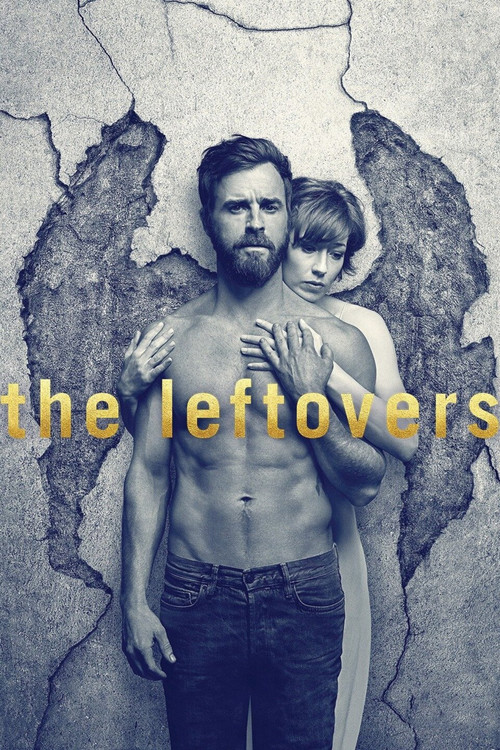
The Leftovers is a series with an unusual journey. An HBO show boasting a stellar cast and created by the co-creator of the acclaimed Lost, it seemed destined for success, yet initially stumbled. The first season felt uneven, featuring moments of genuine brilliance alongside stretches of unremarkable storytelling. However, upon revisiting it, my assessment improved considerably; it was always a good show with some truly captivating scenes, like Holy Wayne embracing Nora. Season 2 proved to be where the series truly found its footing, delivering an engaging and immersive narrative with a compelling blend of excitement, surrealism, and well-developed characters. By season 3, critics were declaring it among the greatest television shows ever made. Season 3 incorporated The Leftovers’ signature mix of humor, the strange (like dogs taking over the world?), entertainment, and profound sadness. Like the emotionally resonant show ‘Rectify,’ this series could be considered "misery porn," though I found myself enjoying it immensely. Still, I feel a second viewing of season 3 would be beneficial as it felt somewhat chaotic and lacked focus at times despite its overall excellence. The cast is exceptionally strong, but Justin Theroux stands out as the lead actor; he’s an acting powerhouse who deserves recognition in Hollywood. Scott Glenn was remarkable in season 3, while Carrie Coon and Christopher Eccleston consistently delivered outstanding performances. Eccleston's episodes were always rich with substance, and Coon shone particularly brightly in the finale. Having watched this episode twice, I was struck by the early exposition where Nora explained how she gained access to the chamber. For a show as intellectually stimulating as this, it felt slightly awkward; however, it’s a minor criticism. The series quickly compensated for it with one of the first truly moving scenes in the episode, featuring Matt and Nora saying goodbye—initially joking—before Matt revealed his fear of dying from cancer and leaving his son without a father. It's raw, visceral, and creates an incredible connection with the audience, something few shows achieve. Reflecting on her lost children, Nora enters the chamber to say farewell to her brother. The episode includes various flashbacks to earlier scenes, serving as a tribute to the show, similar to how the recent Trainspotting sequel paid homage to its predecessor (as seen in the closing scene teasing The Prodigy’s remix of “Lust for Life” before the credits rolled). It's all meticulously crafted. After entering the chamber, time jumps forward many years into the future, showing an older Nora living a new life in Australia. There's no explanation given about what happened during that period, and initially it’s unclear if she’s even in our reality. Kevin eventually finds her, pretending he barely knew her. The “new” Kevin appears more subdued, with restrained emotion. It remains uncertain whether he is being truthful, leaving the situation ambiguous. It's worth noting that this episode showcases the show’s striking cinematography and stylistic choices. We see some truly beautiful shots of the Australian landscape, and the production values are comparable to a major Hollywood film. Nora agrees to attend a “dance” with Kevin, later revealed to be a wedding. Guests at this wedding are expected to wear beads. Nora declines, and afterwards, beads are placed around a goat’s neck, which proves significant later on. The best scene of the entire series then unfolds—one of the most powerful I've ever witnessed. The soulful and comforting elegance of Otis Redding’s “I’ve Got Dreams to Remember” begins playing as both characters dance. The music perfectly complements the unfolding events, creating a scene brimming with emotion. Kevin breaks down in tears of joy, but Nora tells him that this is fake and leaves abruptly just as the music reaches its peak. The melancholic music continues as Kevin stands alone, overwhelmed by sadness. The Leftovers isn’t merely a television show; it's a work of art. Later on, Nora hears a goat crying in pain up a hill: the goat from the wedding is tangled in a fence because of the beads. As an uplifting, classical theme swells, thunder rumbles, and Nora removes the tangled beads, placing them around her own neck. She looks up at the dark sky as the music reaches its climax. By accepting the beads, Nora is finally confronting her sins. The biblical allusions are apparent, and the imagery is profoundly moving. The characters in The Leftovers exist in a moral gray area, which contributes to the show’s quality. Nora is capable of reprehensible acts and can be unkind to others; she's deeply flawed but ultimately a good person. We then see the real Kevin Garvey. He tracks down Nora again and reveals that he has spent years searching for her across Australia. The emotion is overwhelming. His explanation for his altered memories was that he wanted a fresh start, though it’s a somewhat flimsy excuse, but it does make for an interesting story! The final scene plays out, and while the wedding scene may be considered the pinnacle of The Leftovers, this scene is even more emotionally charged. A twist is revealed, although its importance is minimal. This was a show centered on dialogue and character development, with themes of tragedy, redemption, and love woven throughout. Nora explains that she did find her family but they were happy, so ultimately she returned to be with Kevin, unable to tell him the truth. I prefer to accept the events as presented, despite some theories suggesting Nora may have been lying. Kevin assures her he believes her, overcome with tears, and the emotion displayed is remarkable. After spending a significant portion of his life searching for her, he now has her back. As the closing credits played, I sat in silence, deeply moved by what I had just watched. While San Junipero was an excellent recent television episode exploring similar themes, this surpassed it entirely. The Leftovers was a show with many unusual occurrences and a remarkably talented ensemble cast, but the finale focused solely on two characters and attempted nothing extravagant—and succeeded brilliantly. The series concluded on a rare happy note, which is unfortunate given its high quality; only three seasons were produced. Still, if people are content to watch 12 seasons of The Big Bang Theory, that’s their choice. Farewell to The Leftovers, one of the greatest shows ever created.
On September 20, 2026
#228▲ 84
228th by attention TV show online33.8Attention ScoreAttention ScoreOur daily Attention Score measures public activity and popularity signals across the web.How it works →














