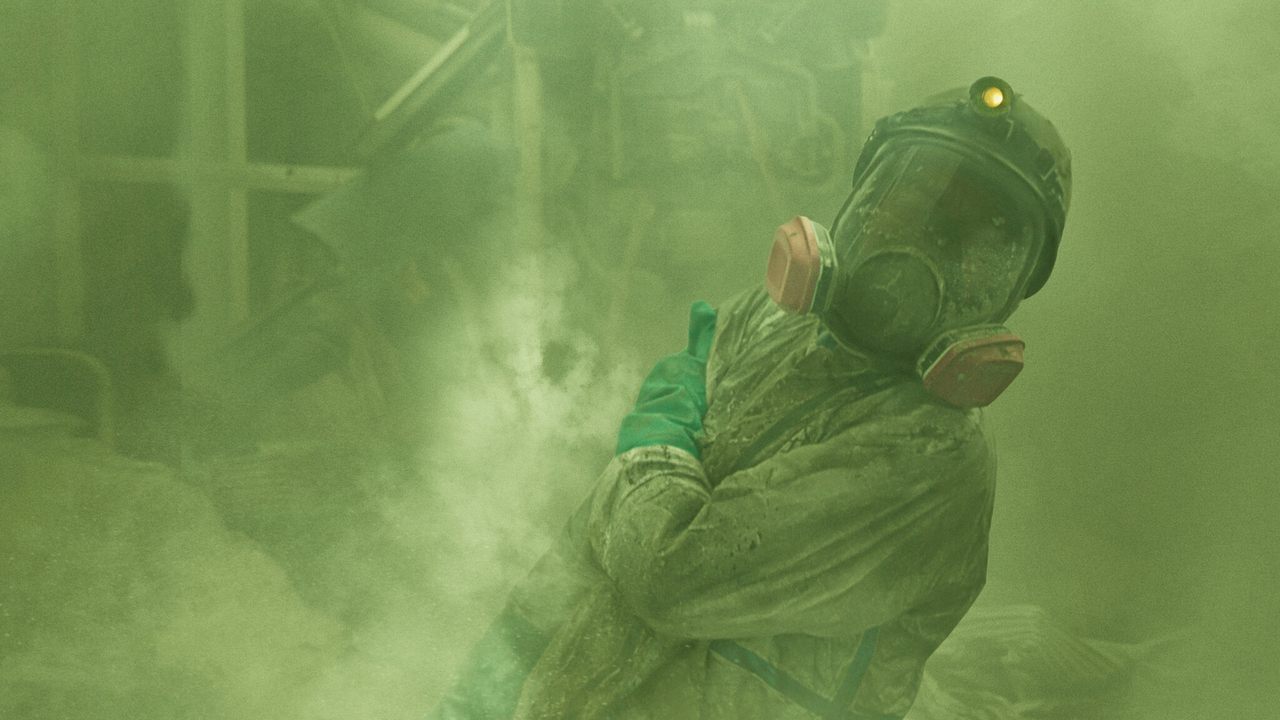
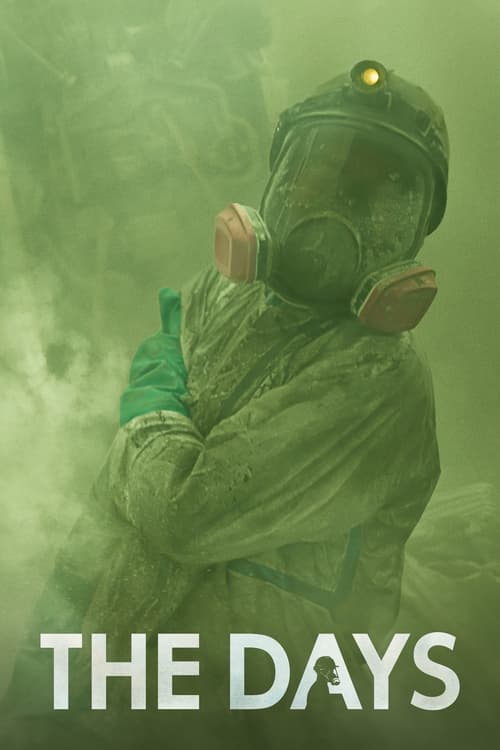





THE DAYS — Limited Series
On March 11, 2011, a 15-meter high tsunami struck the Fukushima Daiichi Nuclear Power Station, located 225 kilometers from Tokyo. The wave caused damage to one of the station's cooling systems.
Despite the ongoing uncertainty surrounding the conditions at the Fukushima Daiichi plant, the government urges the public to remain calm and shelter in place.
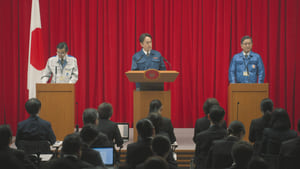
The pressure within the containment vessel increased with alarming speed. Faced with the imminent prospect of a catastrophic explosion, TOEPCO proposed venting the gas into the atmosphere.
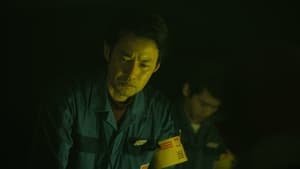
The power remained off, necessitating the manual opening of the valves. A sense of unease settled among the workers, and some tentatively asked if an evacuation to a more secure site would be possible.
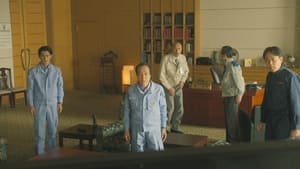
Station Manager Yoshida resolved to employ seawater for cooling, only to receive instructions from TEPCO headquarters to await authorization from the governing authorities.

As the pressure within the containment vessel began its slow decline, TOEPCO headquarters instructed the on-site workers to resume their duties, but Yoshida remained apprehensive.

Growing increasingly anxious for a resolution, the administration and TOEPCO headquarters request that Station Manager Yoshida be granted permission to evacuate a portion of the personnel stationed there.

The Prime Minister received a stark assessment: in the most dire circumstances, a third of the nation – encompassing the Tokyo metropolitan area – could face decades of uninhabitable conditions.