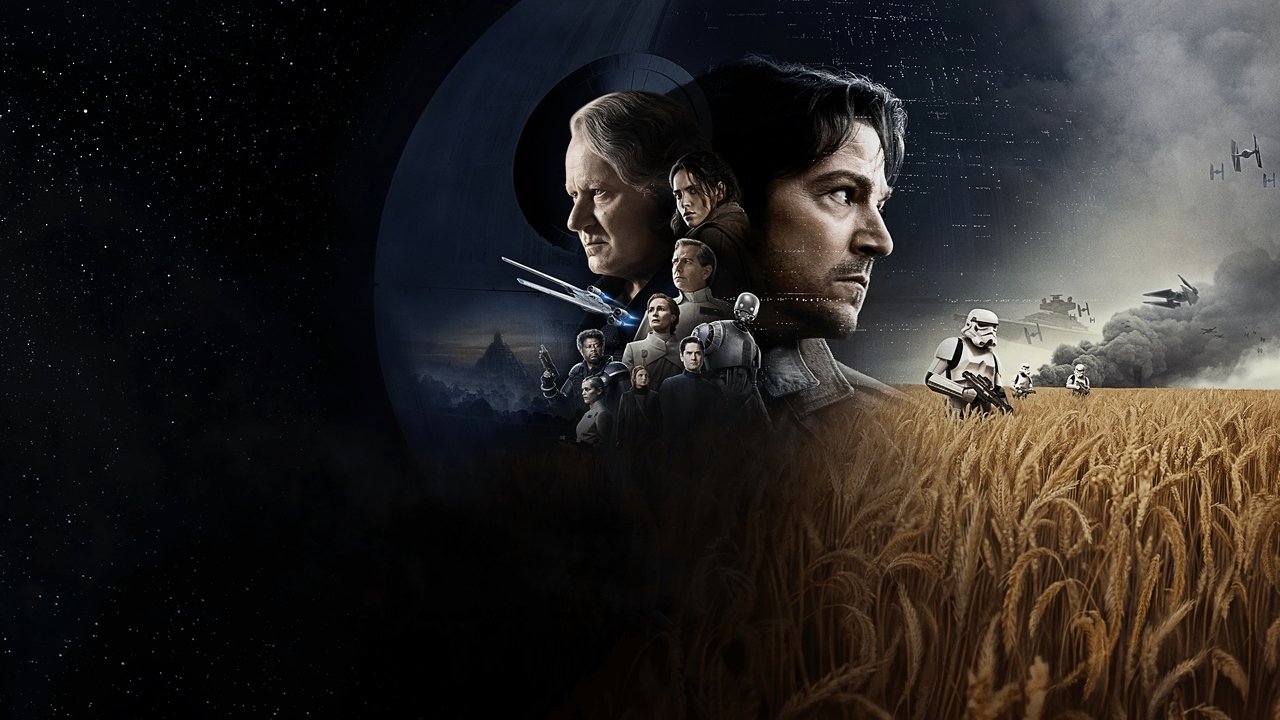





People often discuss the release of *Star Wars: A New Hope* as a pivotal moment that reshaped entertainment and popular culture. The film’s innovations in special effects, thanks to George Lucas's production company, Industrial Light and Magic, ushered in new possibilities for filmmaking. While *Andor* hasn't had quite the same widespread cultural impact, I found that after experiencing its first season, my understanding of what Star Wars stories could be, and the potential of film as a medium, was permanently altered. It’s not only the best installment within the Star Wars franchise but, in my view, the finest television series I've ever seen. I seriously doubt the Star Wars creators will ever achieve something of comparable quality again; *Andor* stands apart, a rare and exceptional work. Several factors contribute to this uniqueness, including the fact that it was conceived as a limited run of just two seasons, and comments from head producers Tony Gilroy and Diego Luna—who also stars—suggesting they intend to move on to other projects. Nevertheless, I anticipate future Star Wars productions will benefit from the production standards established for *Andor*, though I don't expect them to reach its level. This show is destined to become a classic of television history; it may be years before another series achieves such heights. Many who study Star Wars tend to classify the franchise as epic fantasy due to its writing, narrative elements, and reliance on mythology, despite its science-fiction aesthetics. Some believe *Andor* represents a full transition into the science fiction genre. However, I think it aligns more closely with the writing techniques used in *Andor*, but still isn’t quite science fiction. Instead, I consider it to be dark fantasy. Fantasy typically explores themes of good versus evil, morality, spirituality, and inexplicable phenomena, while science fiction focuses on philosophy, scientific discovery, and technological advancements that transform society. Star Wars rarely delves into the realm of science fiction, instead emphasizing spirituality, hope, and the triumph of good over evil. What distinguishes *Andor* as dark fantasy is its unflinching portrayal of hardship; it vividly illustrates the struggles inherent in living within the Star Wars universe. Unlike traditional fantasy narratives where virtuous choices are rewarded, in *Andor*, morally sound decisions often come with significant sacrifices and unfortunate consequences. This approach invites viewers to contemplate how to apply principles of right and wrong through dramatic scenarios. The series draws on George Lucas’s well-known Hero's Journey structure, though *Andor* subverts and improves upon it. The show’s storytelling is unique in its use of multi-episode story arcs rather than self-contained episodes. These stories are presented in a semi-anthology format, with major plot threads unfolding over three episodes before progressing to the next. This approach may be a barrier for some viewers. I suggest watching at least the first three episodes before deciding whether or not to continue. The franchise has previously employed this format in animated series like *Star Wars: The Clone Wars*, *Star Wars: Rebels*, and *Tales of*... However, *Andor* fully embraces the expanded storytelling possibilities afforded by longer arcs, delivering a more nuanced, mature, and emotionally resonant narrative than typically seen on television. The writing is exceptionally tight and concise, with every detail and line of dialogue serving a purpose and contributing to the plot. Furthermore, many scenes carry an allegorical weight, addressing the audience without feeling forced or preachy—a contrast to some recent Star Wars projects. *Andor* serves as a commentary on how revolutionary movements arise in response to rising fascism worldwide. Whether intentional or not, the show seems to endorse violent revolution as a justifiable means of combating oppression. Part of this is due to the need for dramatic conflict in compelling storytelling. The protagonist, Andor, shares surprising parallels with Stalin’s early life, and Luthen resembles Vladimir Lenin. Luthen, in particular, is portrayed as an acceleration
On September 20, 2026
#356▼ 12
356th by attention TV show online28.4Attention ScoreAttention ScoreOur daily Attention Score measures public activity and popularity signals across the web.How it works →