





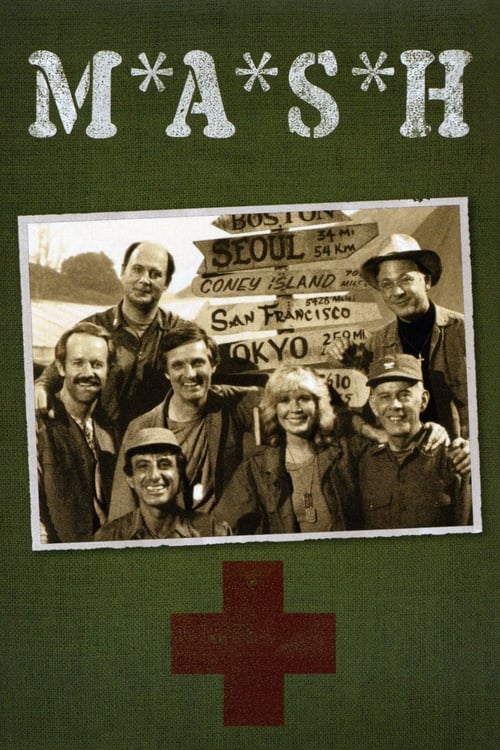
This Korean War medical unit’s portrayal feels like two distinct shows, leading to a divided assessment. Having experienced the book, movie, and both versions of the television series, I can say that the initial episodes are problematic. The early depiction presents Major Burns as an obvious target for blame, creating an unbelievable dynamic where Hawkeye is portrayed as infallible. The actor portraying Burns seemed aware of how ridiculous the character was, but it still generated humor reminiscent of Nazi propaganda—finding amusement in identifying scapegoats. Essentially, the first part of MASH functions as a guide to selecting someone to blame. Viewers aren’t concerned with accuracy; instead, they're being taught a superficial lesson: don’t hold someone accountable for their actions because you can never truly know another person. The show instructs audiences to simply choose a scapegoat, which I find deeply troubling, giving it a 1/10 rating due to its promotion of discrimination and baseless hatred. While the surgical unit's setting is portrayed with some realism, that only amplifies the negative message—it’s difficult to dismiss when they are teaching people to act like modern-day bigots seeking out someone to blame. The show also feels dated, though this term is often misunderstood. It isn't about characters from the 1950s behaving according to the norms of that era; it means a character from 1952 would be familiar with later developments like eight track tapes and Donald Trump. The problem lies in how MASH portrays political leanings. A liberal individual in 1952 would have been far left, and someone like Hawkeye would likely be branded a traitor regardless of his medical skills. The early episodes are unbelievable—like listening to Sinbad's tall tales about his voyages; there’s no sense of authenticity. Fortunately, the later seasons demonstrate that the writers recognized their initial missteps. Alan Stiers as Winchester embodies what a doctor in 1952 would realistically be like, along with Honeycutt and Potter. The humor shifted to become drier, but the characters gained credibility. This later portion earns a 9/10 rating, despite some lingering traces of subtle propaganda. The character of Nurse Hot Lips was particularly egregious—even worse than Burns. Her lack of loyalty and manipulative behavior in a war zone were unacceptable for an officer; I constantly hoped she would be court-martialed. Father Mulcahy also felt out of place, embodying the persona of a 1990s liberal preacher during the 1940s. He lacked credibility just as much as Burns did. Later in the series, the supporting enlisted personnel received more attention. While Radar and Klinger were always present but polar opposites, Rizzo and Igor were added, though they felt somewhat exaggerated even for the time. They brought a welcome balance to the ensemble, especially Igor, whose character could have been better developed as a moderate enlisted man—his New York/New Jersey background seemed contrived. Because of the pervasive corruption in the early episodes, their negative impact outweighs the positive aspects of the later seasons. Therefore, I rate the initial era 4/10 overall.
On September 20, 2026
#395▼ 19
395th by attention TV show online27.5Attention ScoreAttention ScoreOur daily Attention Score measures public activity and popularity signals across the web.How it works →














