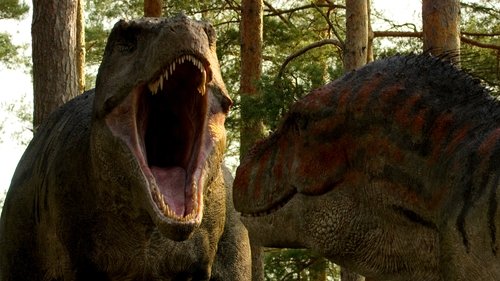





Life on Our Planet — Miniseries
For more than four billion years, the history of life on Earth has been shaped by a relentless interplay of evolution, competition, and mass extinction – three enduring principles governing its ascent and decline.
For eons, the Earth's surface remained inhospitable to life. Yet, within the oceans, the presence of predators fostered a flourishing of species, a cycle that unfolded both before and after the planet’s great extinction events.

Where once a harsh environment prevailed, life slowly asserted itself. Moss draped like velvet over ancient trees, while insects filled the air and amphibians, newly formed, traversed the nascent landscape. These early creatures, in their d…
Following Earth’s third great extinction event, the mammalian lineage, among the survivors, dominated the supercontinent of Pangaea. However, lizards would soon establish the age of reptiles.
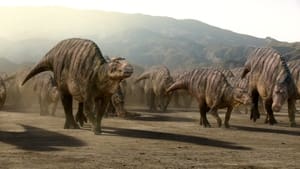
The shifting of continents, each fostering distinct environments, sparked a remarkable proliferation of life. This, in turn, greatly accelerated the development of the colossal dinosaurs that dominated the age.
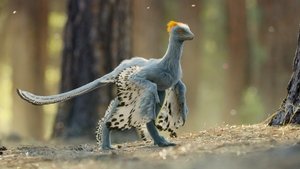
A sudden, devastating impact from an asteroid brought the age of the dinosaurs to a close. From the ensuing devastation, birds emerged, evolving into a vibrant and diverse lineage of over ten thousand species.
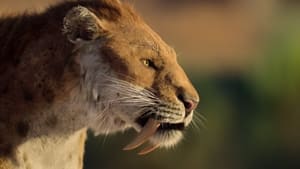
From the long shadow of the dinosaurs, mammals rose to prominence, evolving with remarkable adaptations that allowed them to dominate land, air, and water.
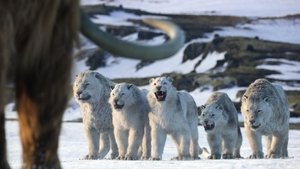
With the receding ice, humankind ascended to prominence. Yet, a shadow falls upon this ascent: the specter of a sixth mass extinction. Has our very cleverness paved the road to our undoing?