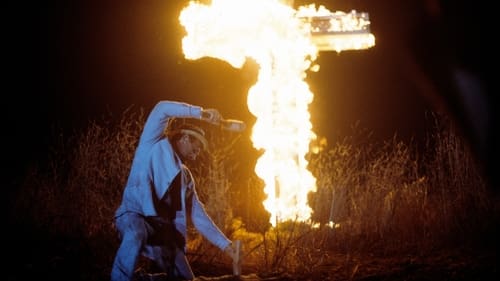





The TV series Kolchak: The Night Stalker originally aired for one season in 1974-1975, comprising 20 episodes. Plans existed to film two more, but Darren McGavin requested his release from the contract due to a demanding schedule and the fact that he was rewriting scripts and handling production tasks without compensation. Mediocre ratings also contributed to his decision. The network agreed to let him go, leaving two episodes unmade. I wish he had been able to complete the season because it would have meant having those additional installments to enjoy. He didn’t realize at the time that this distinctive and groundbreaking series would become his most well-known role, alongside “A Christmas Story” (1983). Before watching the series itself, I suggest viewing the two pilot movies, “The Night Stalker” (1972) and “The Night Strangler” (1973). The first film was the strongest of the pair, with "The Night Strangler" coming close and even surpassing it in certain aspects—refer to my reviews for more details. Both films established the format that would be used throughout the TV series and inspired numerous books afterward. The 20 episodes largely follow the same pattern but are condensed into a 51-minute timeframe and generally feel inferior. Their quality is fairly consistent, with individual favorites depending on how engaging the “Monster-of-the-Week” is and who appears as a guest star—both of which are subjective preferences. The premiere episode, "The Ripper," makes for a decent start to the series but feels too similar to those initial films, especially the first one. It’s essentially an abbreviated version with a slightly different creature. “Horror in the Heights” is frequently considered the best segment because of its intriguing monster, which can imitate someone its victim trusts—it's surprisingly unsettling for television from the mid-1970s. “The Trevi Collection” stands out as one of my personal favorites due to its departure from the standard formula and inclusion of a twist. The story explores witchcraft without resorting to simplistic portrayals (like those seen with mannequins). "The Energy Eater" is another favorite, thanks to guest stars William Smith, who’s brimming with charisma, and Elaine Giftos, whose presence adds a sultry edge; they both briefly team up with Kolchak, especially the former. “The Vampire” is notable for its connection to the pilot movie and its Los Angeles setting—a change from the usual Chicago location—as well as its silent and menacing antagonist. “Demon in Lace” is one of the better episodes due to the intriguing succubus and the college campus setting. "The Zombie" stands out because of its formidable opponent, and one of the creepiest scenes takes place at a junkyard toward the end. The monster makeup in "The Werewolf" isn’t great, but I like this episode because it's entirely set on a cruise ship and features Jackie Russell as Wendy (wearing a black bikini) and Nita Talbot as Paula, who becomes Kolchak's romantic interest. The weakest episodes, in my opinion, are “The Knightly Murders” (no pun intended) and "The Chopper," which veers into camp territory. Even these installments have their redeeming qualities. The final segment, “The Sentry,” is often criticized because of the reptilian creature costume, but it could have worked if they had kept its cartoonish face and teeth hidden. The story borrows heavily from Star Trek’s "Devil in the Dark," but isn't nearly as captivating. This is somewhat offset by Kathie Browne’s performance as Lt. Irene Lamont; she was married to McGavin for 34 years until her death in 2003. You might remember her as Deela, a memorable character, in Star Trek’s “Wink of an Eye” from seven years prior. It's no surprise that she and Darren share great chemistry together. The show’s concept, along with its star and some of the supporting actors, are stronger than the actual execution of most episodes. The series would have benefited from having someone like Gene Roddenberry at the helm. Ultimately, much of the pressure and workload fell on McGavin's shoulders, preventing him from finishing out the season. Despite this, the show was groundbreaking and developed a cult following, influencing later popular series such as The X-Files, Buffy the Vampire Slayer, Supernatural, and The Walking Dead. GRADE: B-
On September 24, 2026
#2080▲ 8
2080th by Pulse TV show online9.0PULSEPulse MeterOur daily Pulse Meter measures public activity and popularity signals across the web.How it works →