



Japan Railway Journal — Season 4

Since introducing Japan's first preserved steam locomotive in 1976, the Oigawa Railway has remained at the forefront of steam preservation. Today, the company operates four steam trains for over three hundred days each year. Come with us to…
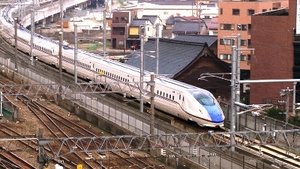
The opening of the Hokuriku Shinkansen, linking Tokyo and Kanazawa in 2015, spurred a period of significant change. Three years later, construction of hotels proliferates around the Kanazawa station, tourism has surged, and the number of lu…

In 2015, the twenty-one-story "JR OITA CITY" complex opened at JR Kyushu's Oita Station, bringing with it over two hundred shops and businesses. The arrival of this new retail hub spurred a significant increase in ridership, benefiting the …

The Enoshima Electric Railway, a ten-kilometer line linking Kamakura and Fujisawa Stations via Enoshima Station, welcomes approximately eighteen million visitors each year. The route offers passage past renowned attractions like Kamakura an…

After a sixteen-year hiatus, Tokyu Corporation has unveiled a new commuter train: the stainless steel "Series 2020," set to serve the Den-en-toshi Line. The interior has undergone significant enhancements, and the train incorporates state-o…
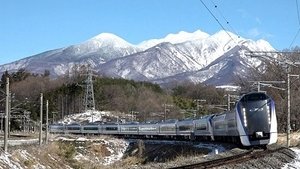
The Limited Express "Super Azusa," a new addition to JR East's services, began operating in December 2017, connecting Shinjuku in Tokyo with Matsumoto in Nagano Prefecture. This article explores the development of this express train, examin…
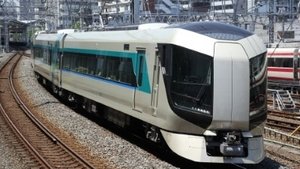
In 2017, Tobu Railway launched its new limited express service, the "Revaty," bound for Nikko. This distinctive six-car train possesses the remarkable ability to divide into two independent three-car units, each capable of reaching a differ…
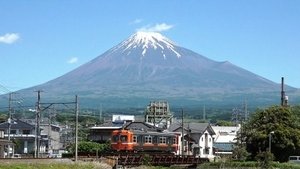
The Gakunan Electric Train is a nine-kilometer private railway that winds through Fuji City, nestled in Shizuoka Prefecture. Its route follows the foothills of the World Heritage Site, Mount Fuji, and is celebrated for offering mountain vis…
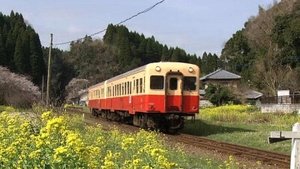
The Kominato Railway, a 39.1-kilometer local line that traverses mountainous terrain in Chiba Prefecture, has recently faced financial difficulties. To revitalize the line and draw visitors, the company initiated a trolley train service. Th…
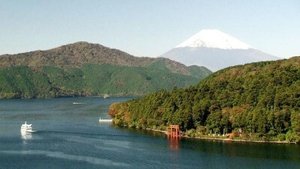
Nestled in Kanagawa Prefecture, just west of Tokyo, Hakone thrives as a beloved destination for travelers, welcoming 21.5 million visitors annually. Many international tourists arrive via the Odakyu Electric Railway, and then ascend the mou…

The Railway Museum in Saitama Prefecture preserves an extensive collection of trains, charting the course of Japan’s railway history from its earliest days. Within its halls reside classic steam locomotives alongside familiar commuter train…
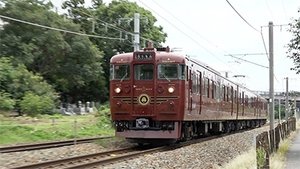
In 2016, Shinano Railway, a privately-owned company serving Nagano Prefecture, appointed an executive from a leading insurance firm as its new president. Though the company currently enjoys financial stability, challenges remain: a declinin…
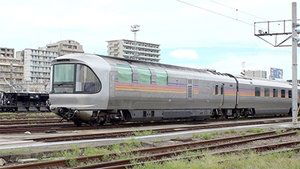
Chartered tour trains differ from conventional trains in that their schedules are determined by travel agents, who curate engaging and accessible journeys for all. These distinctive itineraries often utilize rare rolling stock, featuring am…
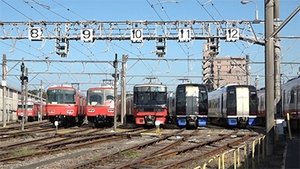
The Nagoya Railroad, a railway network spanning 444 kilometers across Aichi and Gifu Prefectures, navigated a challenging landscape following the privatization of JR Central in 1987. Increased competition, coupled with the rise of automobil…
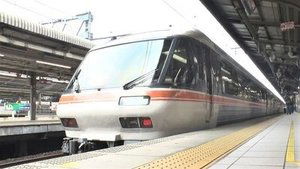
While the Tokaido Shinkansen generates the majority of JR Central’s revenue, the company has cultivated alternative avenues for attracting visitors. The limited express "Wide View Hida," en route to Hida-Takayama, offers complimentary wirel…
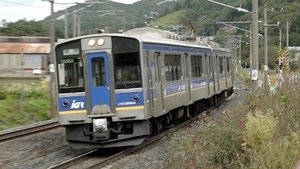
In Iwate Prefecture, the Iwate Galaxy Railway operates as a non-profit entity, consistently seeking innovative approaches to increase passenger numbers. As traditional railways across Japan grapple with an aging populace, a shrinking birth…
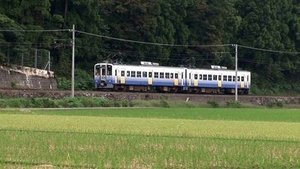
Nestled in Fukui Prefecture, just north of Kyoto, the Echizen Railway has a history marked by resilience. The line faced two accidents in its early years, leading to its closure. Yet, driven by the needs of the local population, it was rebo…
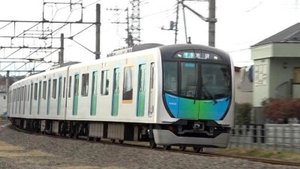
Seibu Railway serves the route between western Tokyo and Saitama Prefecture. Responding to Japan's aging population and falling birthrate, the company is focused on drawing visitors to the Chichibu region of Saitama. To achieve this, they h…














