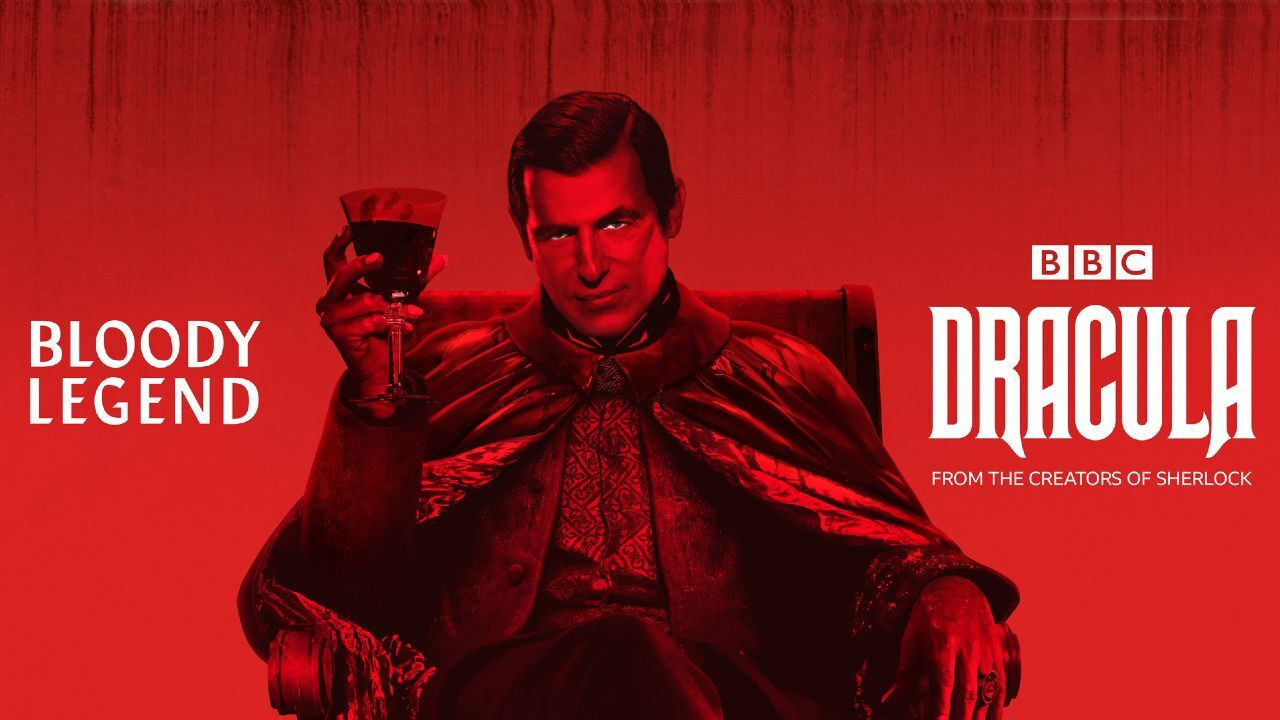





This adaptation of Bram Stoker’s 1897 novel *Dracula* offers a unique take on the Count, though it might not appeal to everyone. The novel itself is open to numerous interpretations—as an adventure story, a commentary on famine, a critique of societal power structures, a Christian allegory, and much more. It has been analyzed through feminist, Marxist, post-colonial, psychoanalytic, and queer lenses, reflecting contemporary social and political concerns. Similarly, the many adaptations of the story vary widely, from Tod Browning’s elegant portrayal to the Cold War politics of the Hammer Horror films, and Coppola's exploration of seductive evil. This latest BBC series, created by Mark Gatiss and Steven Moffat (known for *Sherlock*), aims to capture the original novel’s tone while updating it and rescuing vampires from current trends. It’s often very funny and occasionally disturbing, and stands out as one of the best small-screen adaptations since Philip Saville's 1979 version. While some fans have criticized the unexpected narrative shift in the final episode, overall, the series is greatly enhanced by a superb central performance. The story begins not with Dracula’s arrival but with Jonathan Harker (John Heffernan) already residing at a convent in Hungry, traumatized
On September 20, 2026
#1171▲ 70
1171st by attention TV show online16.4Attention ScoreAttention ScoreOur daily Attention Score measures public activity and popularity signals across the web.How it works →