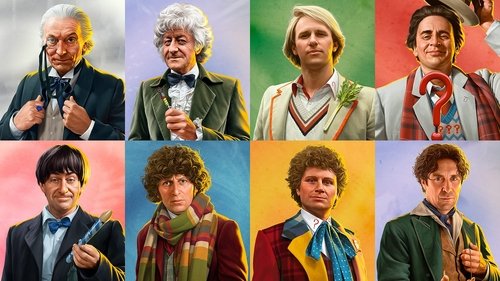





It’s difficult to critique a series like Doctor Who, given its extensive history and fluctuations in quality—certain episodes, such as “The Twin Dilemma,” stand out for unfortunate reasons. The premise itself is remarkably flexible. The TARDIS allows the show to visit any place or time imaginable, which resulted in a wide variety of narratives, from historical stories without alien elements like "The Aztecs" (1964), to straightforward science fiction adventures such as “The Daleks” (1963)—and that was just the initial season. Doctor Who introduced some truly unforgettable villains, with the Daleks and Cybermen being the most well-known. Beyond these recurring antagonists, there were also exceptional adversaries like an Egyptian deity seeking destruction and a creature fragmented across time. The show’s willingness to evolve is demonstrated by the regeneration plot device. The actor portraying the Doctor could change while still embodying the same character, leading to shifts in their problem-solving methods and personality, all while maintaining fundamental principles. The Doctor is among the few protagonists who generally avoid violence, preferring instead to use intellect and cleverness. Doctor Who also pioneered many things. Numerous special effects were experimented with on screen for the first time. The results weren’t always successful, but using available technology they produced some truly remarkable television moments—such as a believable depiction of the lunar surface two years prior to the moon landings ("The Moonbase," 1967). It remains my top-rated television program; it wasn't consistently flawless, but I appreciate every part of it.
On September 25, 2026
#303▼ 5
303rd by Pulse TV show online58.4PULSEPulse MeterOur daily Pulse Meter measures public activity and popularity signals across the web.How it works →