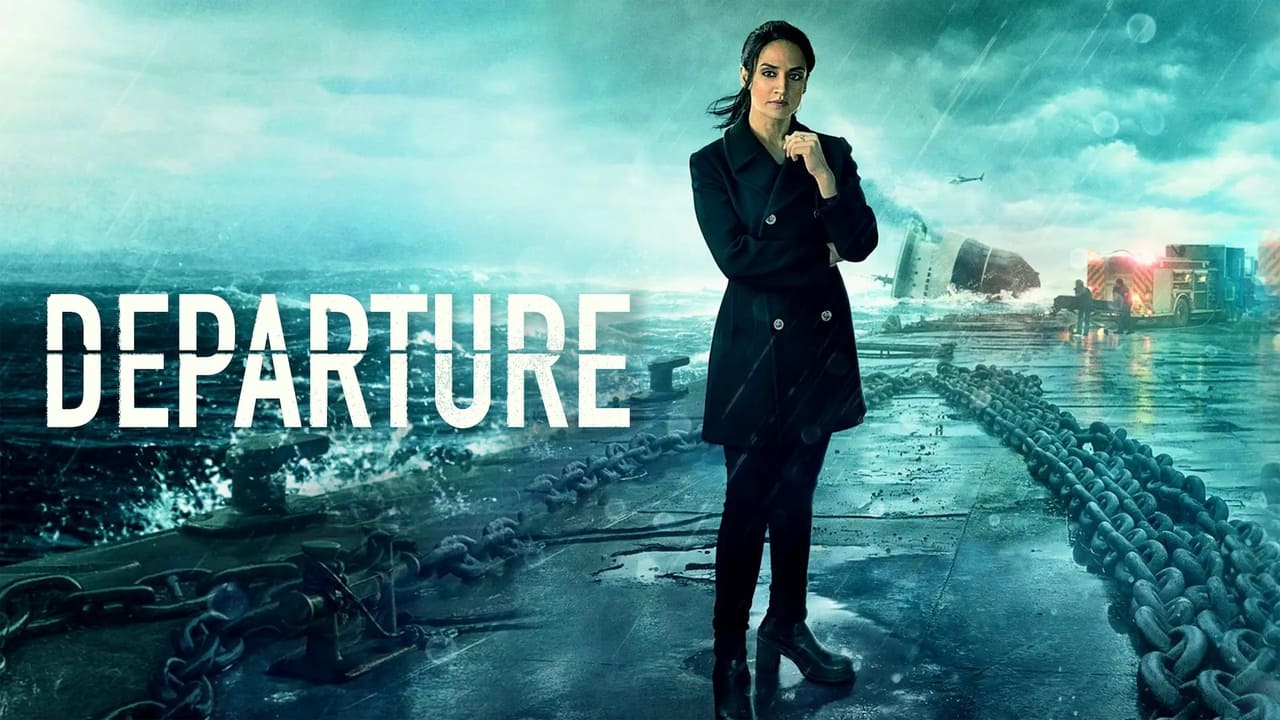





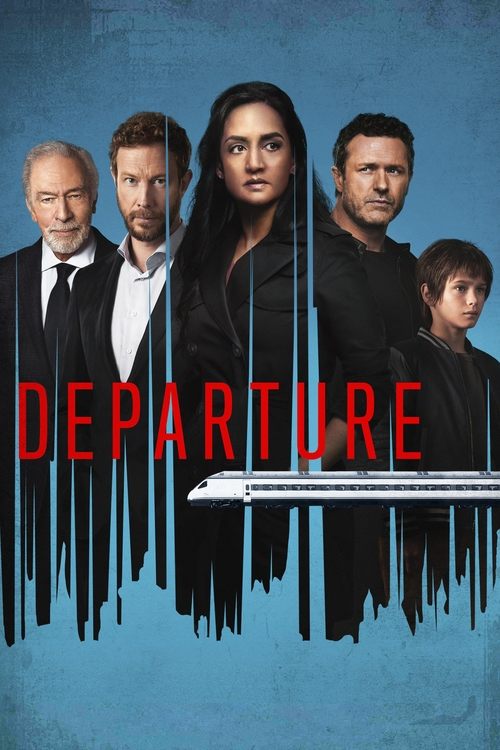
“Departure” excels at creating misleading clues—there are many of them. This is effective because it keeps you guessing, making the resolution unfold gradually as you pursue different paths and inevitably make errors. The performances are acceptable, and so is the production quality; there’s nothing particularly remarkable or objectionable about either. It creates diversions and delays, but these aren't wasted scenes. It might be considered decent and enjoyable were it not for its portrayal of gender and sexuality. Throughout the series, men consistently occupy positions of authority and responsibility. Women are limited to expressing feelings like admiration or regret; they lack agency in making choices or taking action. The antagonists are invariably female... Actually, that’s incorrect. “Departure” operates in precisely the opposite manner. With only one minor female antagonist appearing across both seasons, the show consistently presents men as perpetrators of crimes, individuals who express guilt, or supportive figures working behind the scenes. All significant and positive contributions originate with women. This feels somewhat contrived. That’s essentially how “Departure” functions. It's quite formulaic in this aspect, which makes it simple to see through the diversions and figure out what’s happening.
On September 20, 2026
#2565▼ 26
2565th by attention TV show online6.2Attention ScoreAttention ScoreOur daily Attention Score measures public activity and popularity signals across the web.How it works →