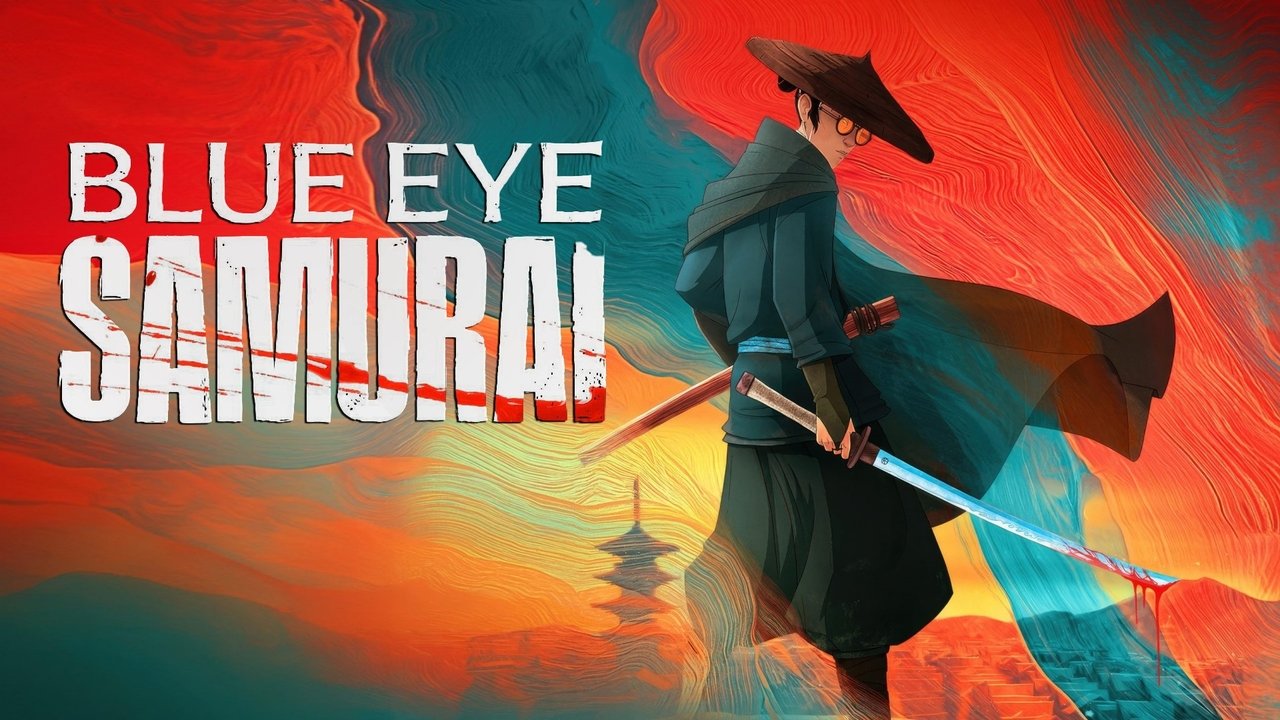





The animation is striking, and the initial setup is promising; however, the plot developments feel predictable, though it will be interesting to see how everything resolves. The philosophy behind sword making is beautifully woven into the story, and the fight scenes are visually engaging. There are some narrative conveniences typical of animated storytelling. Episode two delivers a cinematic experience that surpasses many popular series and movies currently available. It’s one of the strongest episodes from a visual standpoint, featuring stunning imagery. The main characters now have clear paths, and it's intriguing to consider what role the seemingly simple brute will play. Following the high point of episode two, this installment establishes key narrative elements for the direction the story is taking, positioning all the characters strategically towards the end of the first season. While one character takes center stage in this chapter, the main protagonist remains a cool and stoic force. The episode primarily employs familiar storytelling techniques to achieve its goals: introducing the villain and recruiting allies. The philosophy and dialogue remain strong as always, but overall it’s the weakest of the three, with the visuals still exceeding those of standard shows, though they don't quite reach the heights set by earlier episodes. A highlight is Akemi and his servant discussing destiny and their perception of reality; Akemi’s decision to embrace uncertainty is powerful, yet arguably reckless. Episode four features a welcome addition to the cast: a brothel madam who delivers insightful observations. She proves to be the most philosophical character so far. The brothel itself is unique, offering a different perspective on sexuality compared to Japanese cultural norms. I appreciated how the story takes these unexpected turns; normally this would frustrate me, but here it enhances the narrative's appeal. The camerawork is dynamic, with subtle touches like depictions of blood and the killing of a bird that symbolically represent characters’ ruthlessness in pursuit of their goals. This beautifully balances the complex nature of the protagonists. It’s through these detours that I begin to understand how each episode presents our character with questions that reveal their personality against what seems like an obstacle to their objective, which makes Mizu stand out from typical male fantasy tropes. I'm enjoying these diversions immensely. The villain’s monologue in the previous episode was reminiscent of Shakespeare. This episode had a strong narrative throughline and felt like a culmination of everything previously mentioned. While the visuals remain beautiful, the close-quarters combat becomes repetitive after a while. The ending is satisfying, and although the visuals and fight sequences aren't as impactful as in earlier episodes, they are more than compensated for by the narrative’s progression. It surpasses all previous episodes. What began as another action-packed episode with artistic flair evolved into something much deeper upon reflection of the villain’s confrontation. The prevalent theme is a connection to the madam’s desires from episode four and the expectations of others, which I initially overlooked in episode five. This chapter carries forward themes from earlier installments and provides narrative resolution as our protagonist heals while staying committed to their goal. How this will unfold remains unclear. It's certain that the samurai have much further to travel, and the path ahead seems bleak. Narratively, it’s a perfect conclusion, though it still took me by surprise given my familiarity with subpar media. This is one of the best penultimate episodes I've seen; parallels are drawn between the female leads, final battle lines are established, and a significant twist is revealed. While I don't see the villain as inherently evil, he comes across as someone acting chaotically but perhaps benevolently towards his family. The use of villainous background music is effective in creating shock, but it doesn’t convince me that he’s truly malicious; rather, an opportunist. Similarly, I am unsure about the shogun’s stance—whether he's a tyrant, benevolent ruler, or neutral figure—he doesn't appear to be any of those things, which is why my sympathy lies with Akemi more than the shogun's family. Likewise, my sympathies are with the blue-eyed samurai because his failure would make conquering Japan far more difficult. Nevertheless, it’s an excellent episode, highlighted by beautiful imagery of a fleeing princess. It still falls slightly short of the series’ best moments. The finale is perfect; it answers all questions raised earlier and leaves no narrative threads unresolved. There are some unexpected victors, and a revenge saga continues. I am unsure about what happened to a rival character at the end. Overall, this is one of the greatest series I've experienced in quite some time.
On September 20, 2026
#829▲ 46
829th by Pulse TV show online20.3PULSEPulse MeterOur daily Pulse Meter measures public activity and popularity signals across the web.How it works →