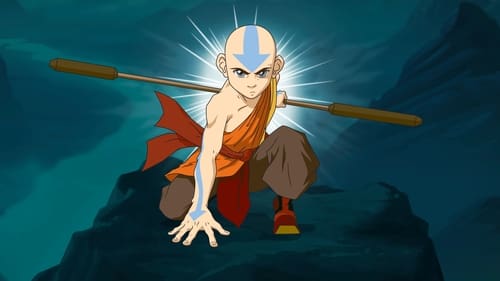





The characters are exceptionally well-developed throughout the series, with each undergoing significant changes. Aang's journey as the Avatar is compelling; despite his immense power, he grapples with the challenges of adolescence, yearning for moments of normal childhood while also demonstrating remarkable strength and responsibility. His upbringing as a monk creates internal conflict that shapes his desires and forces him to confront difficult choices. His connection with Katara provides an important grounding influence, revealing a relatable side of Aang as he navigates interpersonal relationships and matures. It’s another way we see him grow and learn how to express himself. Katara's progression from novice to skilled waterbender is truly impressive; her character arc is arguably one of the best portrayals of skill development I’ve seen. Her growing confidence is a notable aspect, though she occasionally oversteps boundaries before finding balance. Like many teenagers, she struggles with emotional control and ultimately evolves into a better person. Sokka's journey involves confronting his own insecurities as a non-bender and eventually recognizing his strength and value within the group. His relationship with Suki stands out; they mutually inspire growth and change in each other—Sokka acknowledging the capabilities of women, and Suki committing to broader humanitarian efforts beyond their island home. Toph’s story centers on learning to accept help and becoming a more collaborative team member. Her blindness offers a unique perspective on the Avatar world, yet it never hinders her abilities; she proudly considers herself the greatest earthbender. Zuko's character arc is widely discussed, but witnessing his transformation remains deeply moving. He isn’t inherently evil at the outset, merely misguided, and numerous pivotal moments shape his evolution. His confusion throughout the series makes him feel remarkably human, and his bond with Uncle Iroh is particularly heartwarming. Iroh resonates on a personal level, inspiring a desire to emulate his wisdom and composure—his ability to offer guidance at precisely the right moment. The world-building in Avatar is captivating; it effectively showcases the distinct cultures of each nation, highlighting their strengths and weaknesses. The creatures are imaginative combinations of familiar animals, and the geography is uniquely defined for each region. Numerous details enrich the experience, making exploration a constant delight. This attention to detail contributes significantly to the show’s immersive quality, constantly hinting at places and people beyond what's directly shown, fueling curiosity about the wider world. The animation and musical score are also well-executed. The varying body movements of benders based on their skill level is a subtle but impressive touch, and the fight scenes feel impactful thanks to the fluid animation. For a show from the 2000s, the visuals are remarkably polished. The soundtrack effectively enhances the emotional impact of the series, with memorable pieces like the Fire Nation theme adding considerable weight. Overall, I wholeheartedly recommend this series; it offers something for everyone. While the initial episodes of season one might feel slightly slow-paced, the show quickly gains momentum and is incredibly engaging—it’s difficult to resist watching multiple episodes at a time or even an entire weekend straight.
On September 24, 2026
#323▼ 22
323rd by Pulse TV show online29.4PULSEPulse MeterOur daily Pulse Meter measures public activity and popularity signals across the web.How it works →