






American Experience — Season 19
This segment, the first of three parts in the acclaimed 1987 documentary *Eyes on the Prize*, presents intimate portraits of figures like Mose Wright and Rosa Parks. It also explores the ensuing tensions ignited by the Supreme Court's 1955 …
The second installment of the 1987 documentary *Eyes on the Prize* chronicles a pivotal period of the Civil Rights Movement. It details the 1960 sit-ins in Greensboro, North Carolina, the burgeoning influence of the Student Nonviolent Coord…
The concluding segment of the 1987 documentary "Eyes on the Prize" chronicles the pivotal events of 1963 and 1964, years that saw Mississippi emerge as a central theater in the burgeoning civil rights movement. This period encompasses the a…

The story of in vitro fertilization traces a path from initial triumphs in animal reproduction to its current widespread application in human fertility. This journey has been marked by both considerable controversy and significant setbacks.…

The story of yellow fever’s history unfolds with the gradual understanding of its transmission, a revelation ultimately traced to the mosquito. Central to this understanding was the work of Carlos Finlay, a Cuban physician who posited the c…
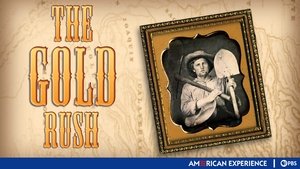
The gold discovery of 1848 in San Francisco ignited a fever, and this is a vivid account of that extraordinary rush. As historian J.S. Holliday observes, "Second only to the Civil War in the nineteenth century, no event stirred the nation q…
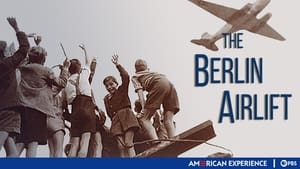
The 1948-49 Soviet blockade of West Berlin, a pivotal early confrontation in the Cold War, is revisited. In response, the United States and its allies initiated an airlift of essential food and supplies to the city's inhabitants. This acco…
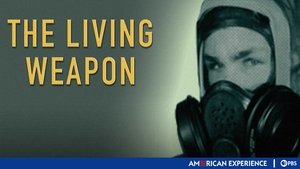
"The Living Weapon" chronicles the history of the United States' biological weapons program, a project initiated in 1942 alongside the Manhattan Project and maintained until its termination by President Nixon in 1969. The work incorporates …
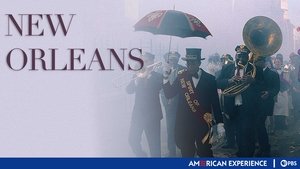
This documentary chronicles the history of New Orleans, tracing its evolution from a French outpost to the vibrant city it is today in the wake of Hurricane Katrina. Rich with archival photographs and film, the film features insights from N…
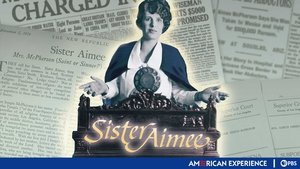
Sister Aimee Semple McPherson (1890-1944) remains a compelling figure, a prominent Pentecostal evangelist who captivated audiences throughout the 1920s and 1930s. This profile incorporates perspectives from those who have studied her life a…
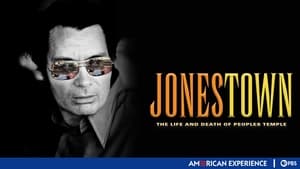
This work delves into the tragic events of November 1978 in Jonestown, Guyana, exploring the story of how over 900 individuals were led to their deaths by cult leader Jim Jones. The narrative incorporates perspectives from those intimately …
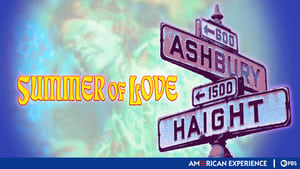
By 1967, San Francisco’s Haight-Ashbury had blossomed into a haven for young people drawn by the promise of free music, open affection, and a sense of universal connection. Yet, this vibrant community soon grappled with a darker side: escal…
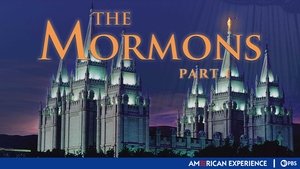
Historian Sarah Barringer Gordon aptly describes the history of the LDS Church as being "under a spotlight from its very inception." This compelling documentary delves into the origins of the faith, beginning with Joseph Smith's 1827 discov…
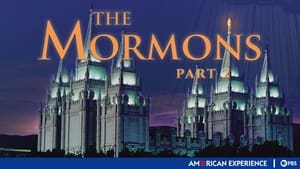
This work explores the contemporary Church of Jesus Christ of Latter-day Saints, examining its missionary efforts, the ways in which its adherents have integrated into American society, its unique theology and practices, and the process of …
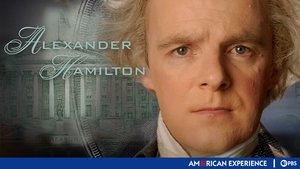
Alexander Hamilton, the nation’s first Secretary of the Treasury, stands as a pivotal figure in the nascent United States, a driving force behind the movement for a Constitution and a robust central government following the Revolution. His …














