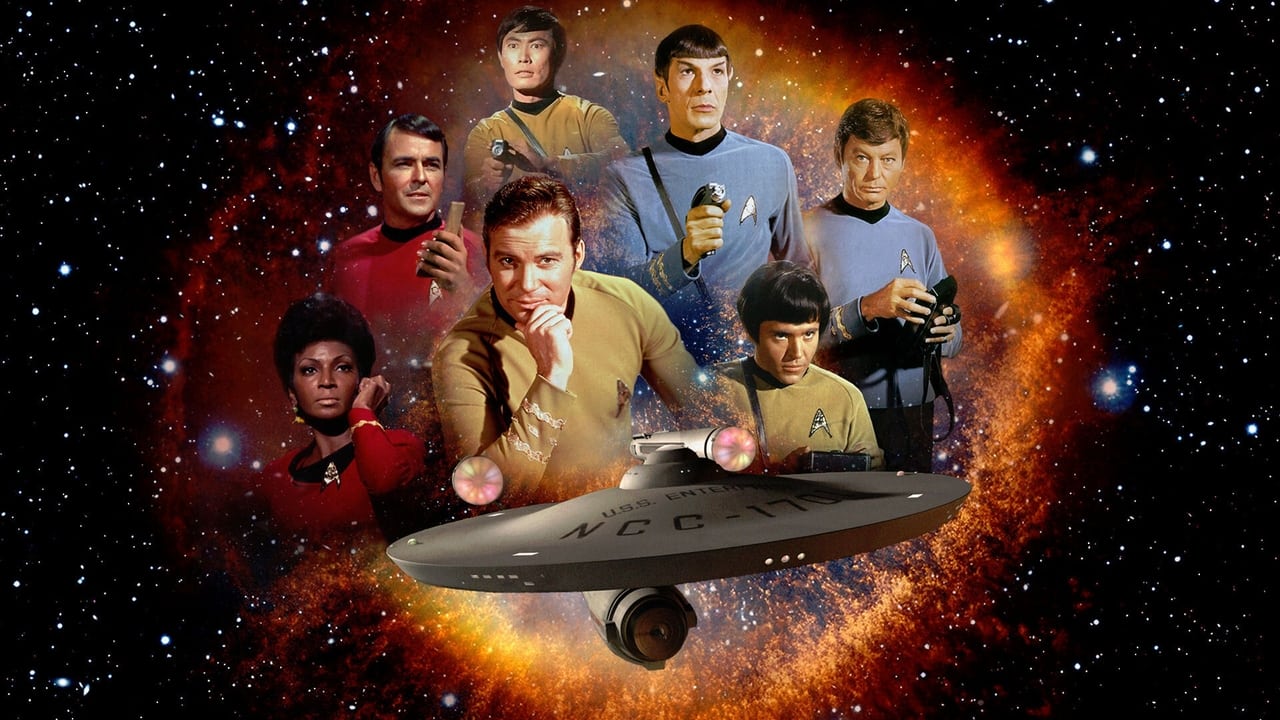





It’s genuinely difficult to get through, and frequently tedious. The narratives often lack any clear purpose or reason behind events; things simply unfold. Simultaneously, the performances are exaggerated, and the conversations feel hollow. To illustrate my point, consider an episode of the original Star Trek compared to a comparable installment from *Star Trek: The Next Generation*. In "Where No Man Has Gone Before" (S01E03), the Enterprise inadvertently finds itself outside the galaxy while traversing a nebula, and one crew member is granted extraordinary abilities—high intelligence and psychic powers. Immediately, the crew assumes he’s dangerous, discussing this concern while he remains in sickbay, rapidly absorbing knowledge, reading at an incredible speed, perceiving others' thoughts, and manipulating objects. However, there's no underlying reason for any of it. He simply becomes arrogant, loses touch with his humanity—empathy or a sense of duty—and the crew quickly considers eliminating him. This shift is presented as quite shocking. They then decide to abandon him on a planet, where Kirk confronts him physically; another crew member weakens him, and Kirk ultimately kills him. There’s very little depth to it; almost nothing sticks with you after watching. In contrast, "The Nth Degree" from *Star Trek: The Next Generation* presents a similar scenario—a crewman, Barclay, who is already established as shy and socially awkward, gains enhanced intelligence. We're familiar with his personality from previous episodes, which is emphasized at the beginning of this one. Consequently, it’s enjoyable to observe his transformation into an intelligent and self-assured man who captivates Deanna Troi. The crew doesn't immediately fear him; their hostility arises only after he seizes control of the ship—a logical progression because the Enterprise needs a swift solution, leading him to become the ship’s computer in an emergency. He then wants to remain connected because his expanded mind wouldn't comfortably fit within his original self. There's at least some explanation for this—it makes sense. So he stays linked and takes over the Enterprise, propelling it tens of thousands of light-years where we discover that his transformation was triggered by aliens who use this method to study other civilizations. They prefer this approach because the aliens dislike traveling themselves. It’s not a perfect motivation, but it's still a reason. After watching *Star Trek: The Next Generation*, it becomes strikingly clear how many episodes of the original series are simplistic and uninspired, filled with melodramatic dialogue, the predictable fistfight, and Kirk’s obligatory romantic interest. I can’t fathom how anyone could appreciate this show without a significant amount of nostalgia influencing their view.
On September 20, 2026
#139▼ 16
139th by attention TV show online45.4Attention ScoreAttention ScoreOur daily Attention Score measures public activity and popularity signals across the web.How it works →