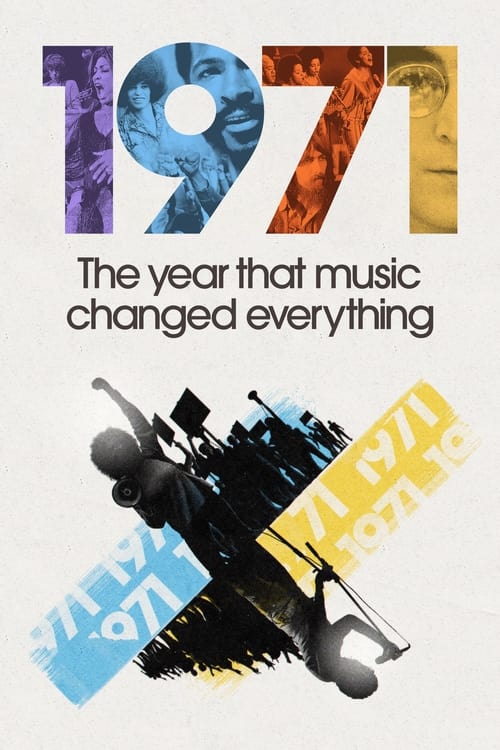





1971: The Year That Music Changed Everything — Season 1
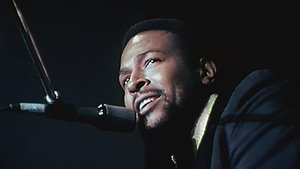
With the turbulence of the 1960s giving way to a fresh decade, figures such as Marvin Gaye and John Lennon emerged as voices for the era's evolving consciousness.
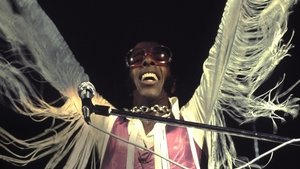
Sly Stone, the Rolling Stones, and Jim Morrison sought refuge from the clamor of the world, yet found themselves unable to outrun the burgeoning crisis of drug abuse.

In the wake of The Beatles’ dissolution, fresh sounds and aesthetics began to surface, most notably through the arrival of figures like Marc Bolan and Alice Cooper, who championed the burgeoning glam movement.
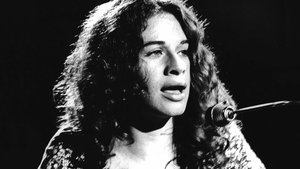
Carole King and Joni Mitchell defied prevailing sexism to create landmark albums. Meanwhile, Elton John and Lou Reed delved into the burgeoning world of queer music and culture.
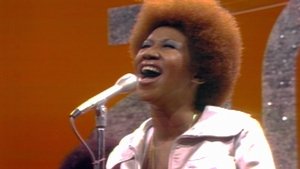
A profound racial tension gripped America. The music of Curtis Mayfield, The Last Poets, and Gil Scott-Heron spoke of a revolution that seemed poised to erupt.
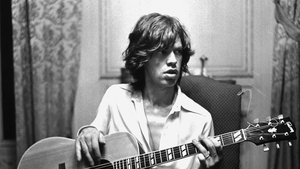
Amidst a crescendo of excess – drugs, alcohol, and reckless abandon – remarkable artistry emerged; Sly Stone, The Rolling Stones, and Jim Morrison created some of their most enduring work.
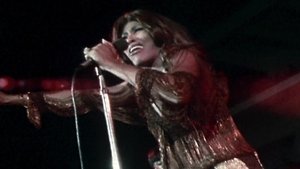
Despite navigating an industry deeply marked by racial prejudice, James Brown, Ike and Tina Turner, and the musicians at Stax Records forged their artistry independently, creating music entirely on their own terms.
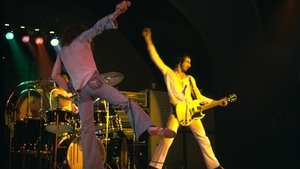
As reggae rhythms and synthesizer sounds gained prominence, a wave of artists – including Iggy Pop, Lou Reed, and Alice Cooper – fueled a period of remarkable artistic flourishing.














