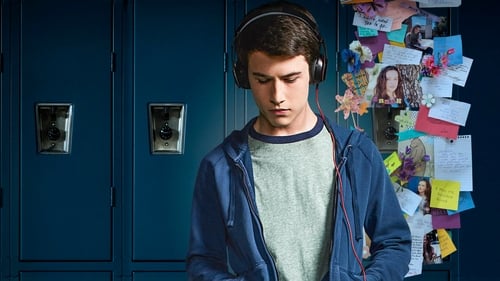





The story that began with Hannah Baker and the reasons behind her suicide has finally concluded. Everyone connected to those infamous tapes seems irreparably damaged, regardless of any happiness they might find, particularly Clay Jensen, whose internal struggles become intensely surreal across the final ten episodes. For a series that ran longer than it arguably needed to—**_13 Reasons Why_** certainly didn’t require more than one season—the melodrama just keeps accumulating. While the initial installment wasn't perfect, it surpasses everything that followed. Season 2 felt like an endless, drawn-out slog until its finale, which delivered what is possibly the most uncomfortable scene in the entire series, even exceeding the (now removed) suicide depicted at the end of season 1. Although season 3 offered some improvement over its predecessor—setting aside the question of why the show was still airing—at least a new character, Ani, arrived with a semblance of backstory, something that can’t be said for other additions to the cast. Her role later becomes deeply problematic, involving an attempt to redeem a rapist. Numerous supporting characters appear in seasons two and three only to disappear without explanation. The writing staff appears to have little understanding of how contemporary teenagers behave, frequently using profanity and portraying their lives as one giant soap opera. While this might reflect some Gen Z’s perception of their existence, **_13RW_** takes it to an extreme level. Bullying leading to suicide is tragically common, but has anyone ever actually recorded who they hold responsible for such a decision? One aspect the series deserves credit for is the dedication shown by its young actors—though “young” is perhaps generous, considering Montgomery’s portrayer is in his early thirties. Despite the material they're given, Katherine Langford (Hannah), Miles Heizer (Alex), Alisha Boe (Jessica), Brandon Flynn (Justin), and Timothy Granaderos (Monty)—particularly as the series progresses—effectively utilize their talents. However, Devin Druid’s performance as the troubled yearbook photographer Tyler stands out most prominently. Tyler's journey is undeniably the most harrowing and heartbreaking arc, offering a remarkably realistic depiction of a teenager across any generation. He’s generally a kind person but is often seen as odd by those around him—and in the tapes, he’s portrayed as one of the worst offenders (his transgression being stalking), despite the fact that the tapes also include a serial rapist, a compulsive liar, an irresponsible educator, a disloyal friend, and someone who shames others. Brandon Flynn deserves recognition for his portrayal of Justin Foley, a boy from a broken and abusive home. The book on which the series is based doesn’t delve into such detail, but Flynn's subdued demeanor perfectly complements Justin’s addiction storyline. He evolves from manipulating his girlfriend about being raped and resolving issues with vague threats to becoming someone the audience actively supports—a protective and caring adopted brother to Clay. That changes when his past life catches up to him and he is revealed to have contracted AIDS, a plot point introduced casually mid-season 4 and revisited in the lengthy series finale. It's unclear who made that decision; perhaps the showrunners wanted a dramatic ending. And what could be more significant than killing off a major, well-developed character (played by a gay man) with an outdated depiction of a controversially portrayed illness within the final ninety minutes of the show? Season 1: 86% | Season 2: 22% | Season 3: 42% | Season 4: 36% | Average: 46.5%
On September 22, 2026
#497▲ 18
497th by Pulse TV show online25.4PULSEPulse MeterOur daily Pulse Meter measures public activity and popularity signals across the web.How it works →