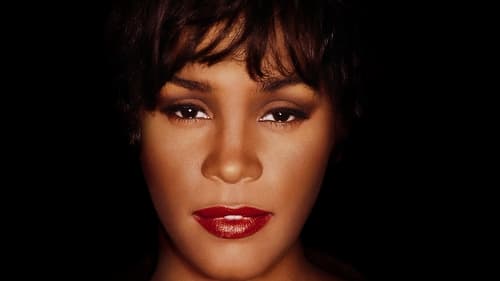





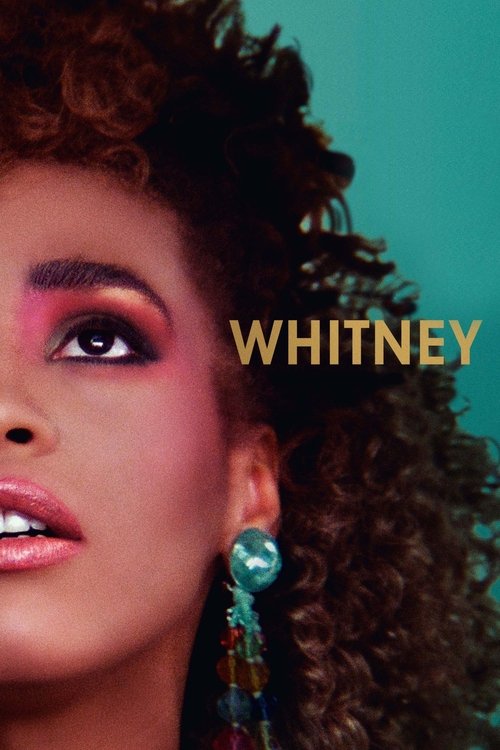
I wasn’t overly impressed with Nick Broomfield and Rudi Dolezal's _Whitney: Can I Be Me_ (2017). The film relied heavily on previously unreleased footage from Houston's 1999 World Tour, but the storytelling felt disjointed, jumping between her divorce from Bobby Brown in 2007 and her death in 2012 without much detail about those intervening years. This made the documentary’s conclusion feel rushed and incomplete. I went into it with limited knowledge of Whitney Houston beyond what's generally known, and I still didn't learn a great deal about her. Kevin Macdonald's _Whitney_ explores similar ground to Broomfield and Dolezal’s film, featuring many of the same interviewees and covering much of the same factual information—Houston struggled with drugs early in her career, faced criticism for perceived cultural betrayal, and was constantly questioned about her personal life, among other things. A significant omission from both films is Robyn Crawford, Whitney's close friend and probable lover, who seemed to be one of the few people offering honest advice and acting in Houston’s best interest. Having largely remained silent since Houston’s death, and unwilling to participate in either film, her absence creates a noticeable gap in understanding who Houston truly was; it seems unlikely anyone will fully grasp her story until (or if) Crawford shares her own perspective. Interestingly, Clive Davis, the president of Arista Records who signed Houston, makes an appearance in _Whitney_ but not in _Can I Be Me_. Despite their similarities, I found Macdonald's film to be better than _Can I Be Me_. _Whitney_ has two key advantages: it focuses less on simply listing facts and more on allowing the audience to experience her singing. Because of this, the film is much more emotionally impactful; I was genuinely moved at times, something I didn’t feel while watching _Can I Be Me_. One particularly upsetting scene echoes a similar moment in Asif Kapadia's _Amy_ (2015), showing Houston struggling to perform "I Will Always Love You" during her 2010 World Tour. The crowd is respectful, but seeing her like that—with a raspy voice unable to hit the high notes—is heartbreaking, as it’s far from the performance of one of history's greatest singers. The documentary also effectively addresses how mainstream media contributed to Houston’s suffering. While acknowledging Whitney Houston's struggles with addiction and her role in Bobbi Kristina Brown’s tragedy, the film highlights that she was a person experiencing deep pain, and few people offered genuine support. The inclusion of a 2002 _Saturday Night Live_ sketch featuring Maya Rudolph as Whitney parodying the infamous Diane Sawyer “crack is whack” interview, and a scene from a 2005 episode of _American Dad!_, where an emaciated Whitney "sings for crack," are now more unsettling than funny. They underscore a strange aspect of our culture: we elevate people to great heights only to tear them down when they reach a certain level of success, responding to their struggles with ridicule rather than compassion.
On September 22, 2026
#15335▼ 2315
15335th by Pulse movie online29.1PULSEPulse MeterOur daily Pulse Meter measures public activity and popularity signals across the web.How it works →