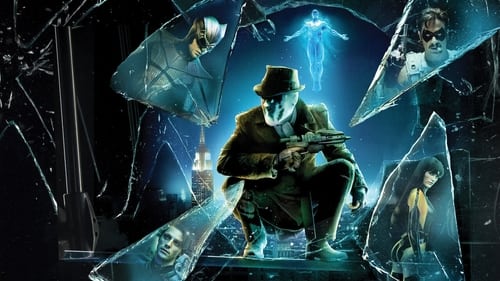





We’re naturally drawn to things that inspire us, capture our interest, or simply amuse us. It's easy for important messages in films, books, and music to be missed because we don’t always take the time to fully engage with them. The core idea explored in *Watchmen* and *Tales of The Black Freighter*, particularly within the graphic novel format, is that humanity’s efforts to improve the world can sometimes lead us to become what we are fighting against—a realization that may not be apparent until it's too late. Alan Moore crafted this story during a period of intense global tension: the Cold War, with the U.S. and Russia locked in a nuclear standoff, compounded by Russia’s invasion of Afghanistan, which threatened widespread devastation. The narrative unfolds in an alternate reality where, by 1985, Richard Nixon had altered the U.S. Constitution to allow for multiple presidential terms. Following World War II, citizens, frustrated by crime and corruption—especially in New York—began donning masks and taking justice into their own hands. By 1985, masked heroes were illegal, forcing former vigilantes to either reveal themselves or remain hidden and abandon their way of life. The story is largely presented through the perspective of Rorschach (Haley), who investigates the murder of a fellow vigilante, The Comedian (Morgan). As the only vigilante still actively operating, he’s wanted by the F.B.I. He attempts to rally the remaining “heroes” to help him find the killer and uncover the motive behind the crime. These include Night Owl II (Wilson), an aging recluse who inherited wealth and used it for vigilantism; Silk Spectre II (Ackerman), daughter of an original Minutewoman (Cugino); Ozymandias (Goode), a self-made millionaire emulating Alexander the Great; and Dr. Manhattan (Crudup), essentially a superhero due to an accident involving atomic radiation during his time as a physicist. The film adheres closely to the book’s themes and tone, more so than most previous comic adaptations—a testament to director Zack Snyder's commitment. The 1985 setting is convincingly portrayed, making it feel like a genuine period piece due to its meticulous attention to detail. The performances are generally strong, reflecting the characters' emotions as depicted in the source material. The extended scenes and the interwoven story of *Tales of The Black Freighter* make for a film that justifies its considerable 215-minute runtime; however, even the theatrical cut effectively conveys the central message. The end credits are remarkable, featuring Bob Dylan’s “The Times They Are A-Changing” alongside snapshots illustrating the history of the Minutemen and Watchmen from the 1940s to the 1980s, set against a backdrop of significant cultural and political events. This film is easily among my favorite movies in recent years due to its powerful message and uncompromising adaptation of the graphic novel.
On September 23, 2026
#13735▲ 5148
13735th by Pulse movie online12.0PULSEPulse MeterOur daily Pulse Meter measures public activity and popularity signals across the web.How it works →