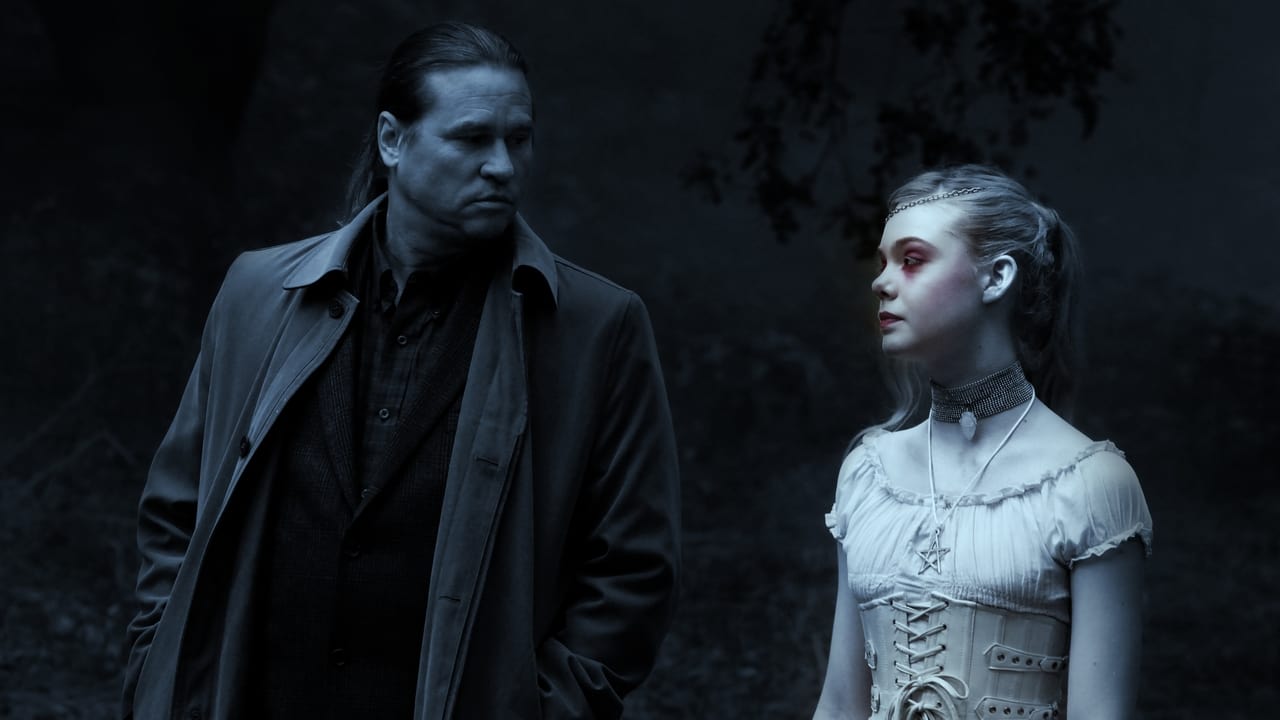





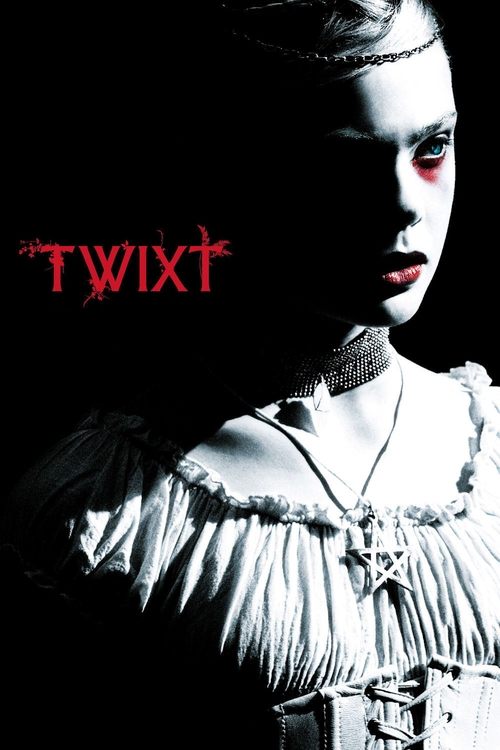
“The horror, the horror” of creation is explored in this strange film. Val Kilmer portrays Hall Baltimore, a writer of mystery and horror novels who finds himself embroiled in a murder investigation while on tour in a small town. He encounters an eccentric sheriff, Bobby LaGrange (Bruce Dern), and a young woman named V (Elle Fanning) who reminds him of his own daughter. A group of goth teenagers hangs out near a lake, and Edgar Allan Poe appears periodically as a sort of guide (Ben Chaplin). It’s difficult to tell what is real and what exists only in Baltimore's mind, especially when considering the murder of a woman found with a stake. "Twixt" (2011) was reworked and renamed “B'Twixt Now and Sunrise” by Francis Ford Coppola in 2022. It’s a mystery/dramedy that incorporates elements of horror, blending the visual style of "Bram Stoker's Dracula" with the perplexing nature of "Youth Without Youth," along with a touch of humor. The film is puzzling, but enjoyable as you follow its Gothic narrative, highlighted by striking cinematography and atmosphere, featuring Poe, bell towers, ghosts, and bats. The enhanced lighting and muted blue-gray tones are particularly impressive. The movie delves into the creative process, showing a writer struggling to produce work while often under the influence of various substances. Will he write a bestseller? Will he solve the murder mystery? Can he come to terms with his guilt over what happened to his daughter? This theme is especially poignant given that Coppola’s son, Gian-Carlo Coppola, died in a boating accident in 1986; the driver was Ryan O'Neal’s son. Much of the film consists of internal dialogues between the author and his literary influences and personal demons. Charles Baudelaire (known for substance abuse) is referenced, with Poe appearing whenever Baltimore is intoxicated or dreaming. It remains unclear whether the abuse and murder of children actually occurred, or if Poe and a vampire version of Hall’s daughter served as inspiration while he tried to revitalize his career. Coppola leaves it up to the viewer to decide what's real and what's imagined, though answers are available for those seeking them. The story originated from a dream Coppola had during a stay in Istanbul. This has led to criticism that Coppola’s dream is the audience’s nightmare. While "Twixt" and this revised version are overly ambiguous, it seems intentional, as he wants viewers to be left with questions. Is everything required to be explicitly explained? Comparing the two versions, this one runs eight minutes shorter, and I believe I preferred it—though that's difficult to say since I saw the original version eight years earlier. The film was shot in the Kelseyville and Clear Lake area of Northern California. GRADE: B+ **MISC. INSIGHTS** ***SPOILER ALERT*** (Don’t read further unless you’ve watched the movie) Many events in the town were part of the author's storytelling process, not reality. The sheriff and deputy are real, as are their deaths at the end, along with Baltimore’s wife. The sheriff expressed a desire to collaborate with him on writing. The film illustrates what Baltimore experiences throughout his creative journey, culminating in the completion of his book, which sells 30,000 copies. The bell tower appears with seven different times, possibly symbolizing when Baltimore missed a trip with his daughter due to setting his alarm incorrectly. Had he been present, she wouldn’t have died; therefore, time is portrayed as an antagonist. Even V observes that keeping track of time "here" is pointless, which explains her absence from the book signing. A key element is Hall's grief over his daughter's death. Time represents the villain. By failing to process the tragic accident, Baltimore keeps his daughter figuratively alive. He’s battling against time somehow. The age of his daughter when she died is also significant; she was between childhood and adolescence. Similarly, Hall was caught between deadlines and promotional tours, missing out on some of her late childhood/early teens ("I thought they would be small boats... children's boats..."). The vampire kids represent the dramatic changes children undergo as they enter their teenage years—their music, clothes, and developing independence—which can feel alienating to parents who suddenly find themselves outsiders. The sheriff embodies the older generation’s perspective: essentially dismissing young people. The pastor murders the teenagers to prevent them from becoming "vampires"—that is, experiencing the loss of innocence that comes with making mistakes while learning to make their own decisions. Flamingo (Alden Ehrenreich) acts as a Pied Piper figure; he escapes at the end because he’ll always be around—there will always be a spirit of teenage rebellion, regardless of its outward appearance. If these connections seem tenuous, it's because that is the impression the film leaves you with.
On September 20, 2026
#9948▼ 489
9948th by attention movie online37.1Attention ScoreAttention ScoreOur daily Attention Score measures public activity and popularity signals across the web.How it works →














