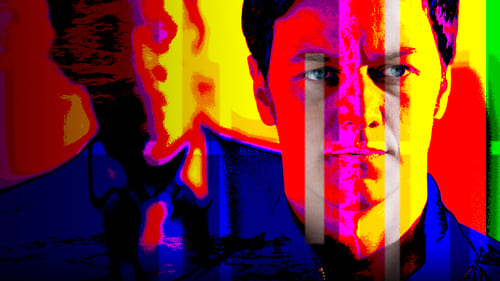





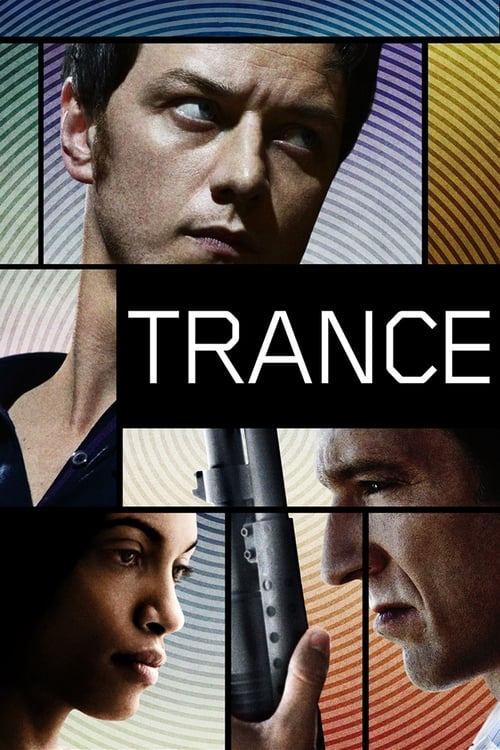
Danny Boyle’s Trance, adapted by John Hodge from Joe Ahearne's 2001 film and starring James McAvoy, Vincent Cassel, and Rosario Dawson, features a score by Rick Smith and cinematography by Anthony Dod Mantle. The story centers on Simon (McAvoy), an art auctioneer who double-crosses Franck (Cassel), his partner in a heist, but suffers amnesia after being struck, losing the location of a stolen Goya masterpiece. To recover the painting’s whereabouts, Franck sends Simon to hypnotherapist Elizabeth (Dawson). As therapy progresses, secrets surface and nothing is as it initially appears. Early reactions suggest Boyle's venture into neo-noir will divide his audience. He revisits earlier works to create a mind-bending film reminiscent of Paul Verhoeven’s style—full of sexual tension. It might sound pretentious, but those unfamiliar with noir conventions should probably avoid this one. If you imagine Basic Instinct and Inception teaming up with a 1940s heist movie for drinks, that gives some sense of what Trance is like. The film incorporates classic noir elements, both modern and traditional, making it a dream for fans of the genre, especially when viewed on a big screen or Blu-ray. Don’t expect to find any sympathetic characters; everyone seems driven by greed, lust, jealousy, vengeance, or simple incompetence. Amnesia, another recurring theme in old noir films, plays a key role, and the protagonist is largely manipulated. Elaborating further would be detrimental, as experiencing it firsthand is best. It's challenging to discuss without delving into its trippy and playful nature. However, the narrative isn’t particularly clever, and some plot elements unravel upon closer examination. The final act feels overloaded, and Franck’s henchmen are forgettable. Despite these flaws, it’s a film worth repeated viewings. Visually, the movie is outstanding; Boyle and Mantle clearly appreciate noir's aesthetic qualities, emphasizing atmosphere over genre conventions. Filmed in Dungeness, Kent, despite being set in London, the backdrop resembles a city of steel and mirrors—a place of wealth and mistrust. The visual techniques serve the narrative rather than overshadowing it. Nighttime shots of a bustling city, distinct color tones for different characters' homes, and unusual camera angles distort perspectives to mirror the characters’ mental states. Silhouettes through glass, subjective viewpoints, and intimate camera work are all purposeful. Boyle delivers a top-tier effort, complemented by Smith’s brooding score that amplifies the tension. The three lead actors deliver strong performances, clearly enjoying their roles. McAvoy solidifies his status as a leading man, Cassel is commanding as always, and Dawson gives her best performance yet, hinting at greater things to come. All three actors maintain an air of secrecy throughout, which they execute well. Boyle’s action sequences are dynamic, with the pre-credits sequence being one of the best recent openings, and Hodge's script has a playful quality that suggests the film is self-aware and doesn’t take itself too seriously. It’s destined to be divisive, but for those who enjoy noirish, sexy, mind-bending heist stories? See it! 9/10
On September 22, 2026
#7540▼ 638
7540th by Pulse movie online41.4PULSEPulse MeterOur daily Pulse Meter measures public activity and popularity signals across the web.How it works →














