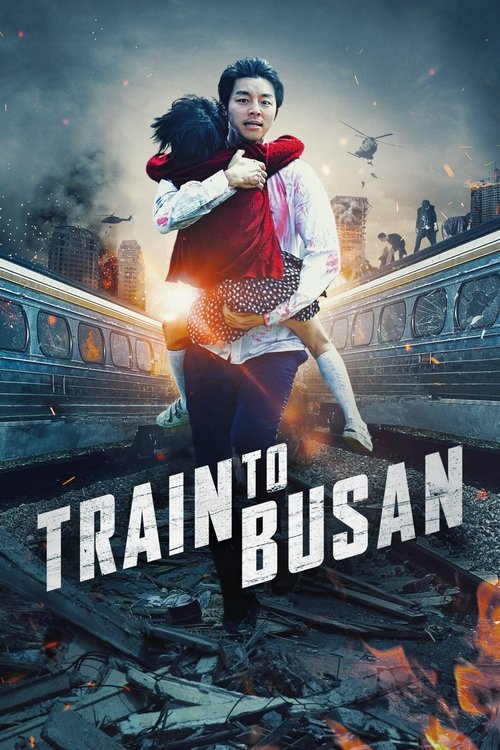




Zombie apocalypse stories aren’t exactly new territory. Shows like The Walking Dead and movies such as World War Z and the Zombieland series have explored similar ground. However, these works often fall short of delivering a truly exceptional experience. When people ask for the best zombie movie ever made, there isn't an easy answer because it’s been hard to find one that is genuinely outstanding. That changed in 2016 with Train to Busan. I feel bad for anyone who avoids foreign films simply because of subtitles or a different language. So many unique and worthwhile stories from around the world are missed as a result. If someone claims to be a “zombie fan” but hasn’t seen Train to Busan, they're really not being truthful. This is South Korean cinema at its finest. Every performer involved—from the stunt team to the main actors—is fully invested in their role. Director Yeon Sang-ho delivers a suspenseful, intense, epic, and above all heartbreaking story with a phenomenal screenplay by Park Joo-suk. It’s difficult to find any real fault with this film; when the only criticism I can offer is that some character actions seem somewhat illogical, it means I'm really nitpicking. The script, written by Park Joo-suk, is largely responsible for what makes the movie so effective. People often focus on the zombies themselves: how they look, how they move, and what new abilities or characteristics they possess compared to previous portrayals. Granted, the zombies in Train to Busan are visually striking, and Yeon Sang-ho creates action sequences with incredible intensity and tension. But it’s the emotional connection between the viewer and the human characters that truly elevates the film. There are easily five or six characters who resonate deeply with the audience. Typically, at least half of those characters would be expendable in this type of movie—either lacking intelligence or simply being unlikeable. However, every character in Train to Busan has redeeming qualities, beyond their relationships (like father-daughter or young couple expecting a child). The action sequences are brilliantly filmed, but it’s the overall emotional atmosphere that makes them so impactful. It's an emotionally draining story. Viewers are confronted with difficult choices for the main characters. The familiar dilemma of “do I save the person I care about or everyone else?” is explored with exceptional dialogue and suspense, bringing me to tears on several occasions. Each character has a compelling arc. The protagonist, Seok-woo (played by Gong Yoo), transforms from an unlikable figure that you might want gone early on into a devoted father who will do anything to protect his daughter during the apocalypse. The film also includes insightful social commentary that remains relevant today, especially considering the recent global pandemic. Yon-suk (Kim Eui-sung) embodies what’s wrong with society—a selfish man prioritizing his status and job over family and friends. He serves as a cautionary tale for Seok-woo, illustrating what he could become if he continues to prioritize work above all else. Another significant character is Sang-hwa (Ma Dong-seok), an expectant father who steps in to protect Seok-woo’s daughter when her father can't. His bravery and selflessness quickly make him a favorite with the audience. Technically, it's virtually flawless. From the impressive zombie makeup to the breathtaking stunt work, every action element demonstrates that South Korean cinema excels at action far more than Hollywood often does. The level of intensity is remarkable. Lee Hyung-deok’s camera work is superb, moving through the train seamlessly and allowing viewers to understand everything happening. Combined with excellent editing (Yang Jin-mo) and a fantastic score (Jang Young-gyu), Yeon Sang-ho creates tension and suspense that makes every action sequence feel overwhelming and epic. The film's runtime of just under two hours flies by. The initial act skillfully establishes the impending apocalypse, building slowly with an increasingly chaotic atmosphere. Then comes the outbreak on the train, which occupies most of the movie’s running time. Everything happens during this period—from nail-biting action sequences to emotionally charged moments that make the film so shocking. Finally, a third act left me stunned and drained, unsure how to feel after it concluded. While some scenes seem designed primarily for emotional impact, everything else feels remarkably realistic. Overall, Train to Busan is arguably the best zombie apocalypse movie ever made, at least as of this review date. The genre has found its masterpiece in Yeon Sang-ho’s impressive film. From a subtle build-up to an emotionally devastating conclusion, and featuring a vivid depiction of a zombie outbreak, Park Joo-suk's screenplay is what makes this film so successful. It’s a heartbreaking story with exceptionally well-developed characters and thought-provoking social commentary, especially relevant in today’s world. The action sequences are top-notch—full of intensity, brilliant camera work, seamless editing, a captivating score, outstanding commitment from everyone involved, and an amazing stunt team. Hollywood could learn a lot from movies like this. I can't find any flaws. It left me emotionally drained. If you’re a fan of cinema, regardless of genre, this *must* be on your watchlist! Rating: A+
On September 27, 2026
#477▼ 101
477th by Pulse movie online54.7PULSEPulse MeterOur daily Pulse Meter measures public activity and popularity signals across the web.How it works →