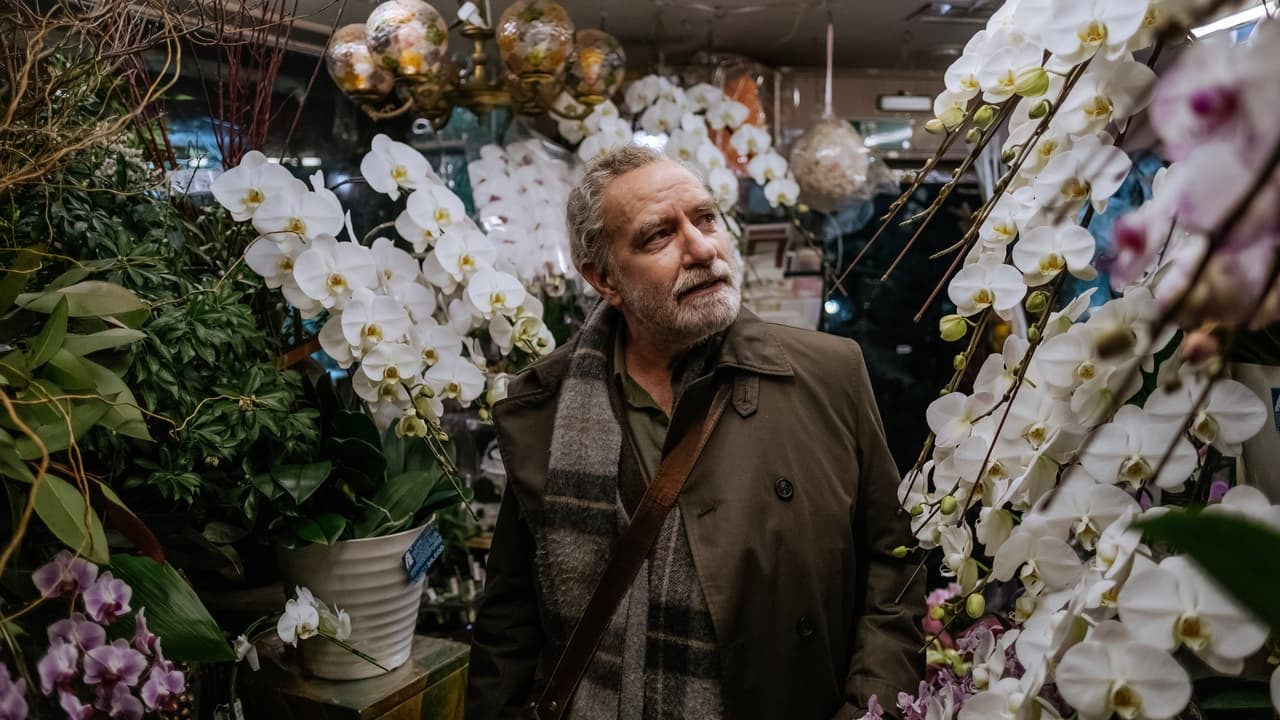




It was striking how Egill Ólafsson’s portrayal seemed to evolve into something reminiscent of Lord Olivier throughout the film. He plays "Kristófer," an older Icelandic man who travels to London just before worldwide lockdowns to revisit experiences from his youth in the 1970s. Previously portrayed by Palmi Kormákur, he was a student at the LSE who abandoned his studies to work at a small Japanese restaurant in Soho. He’s a likable and charming young man who quickly integrates into the family's routine, eager to learn their language and how to make some of their signature dishes, as well as befriend their daughter, "Miko" (Kôki). As the narrative unfolds, a romantic connection develops against the backdrop of a family that hastily emigrated from their country after the war, carrying with them difficult connections to the events leading up to its end. The film incorporates music from the early seventies into a plotline suggesting “Kristófer” is running out of time as he uses minimal clues in an attempt to locate a former love. While the romantic aspects feel somewhat conventional, director Baltasar Kormâkur draws performances that are playful and joyful at times, alongside moments of genuine emotional depth from both versions of the character, the young actor Kôki, and the emotionally complex father "Takahashi" (Masahiro Motoki). The film also serves as a reminder that countless innocent people, born then and yet to come, were impacted by the events of 1945 and their repercussions continued to affect generations. I wasn't entirely satisfied with how it concluded, but this is an understated and moving story deserving of viewing.

On September 20, 2026
#9936▲ 1108
9936th by attention movie online37.1Attention ScoreAttention ScoreOur daily Attention Score measures public activity and popularity signals across the web.How it works →