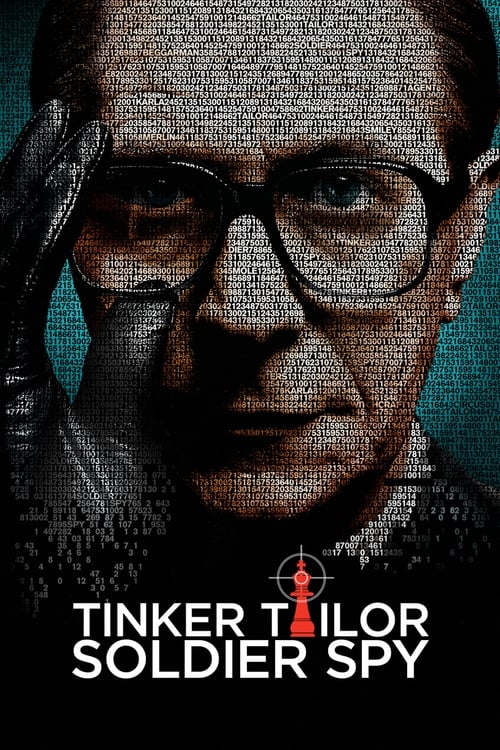




Even with a talented cast and promising script elements, the movie feels draining, slow-moving, somewhat drab, and not particularly engaging. This is a reimagining of a 1973 film—I haven’t seen that one yet, but I plan to—both based on a spy novel by John Le Carré. Considering the reputation of the original story, the scale of this production, and the presence of so many well-known actors, I was hoping for something exceptional… but I ended up feeling let down. The film didn’t live up to my expectations in terms of how interesting or enjoyable it would be. The movie features a number of familiar faces; Gary Oldman delivers the most memorable and impressive performance among them. He convincingly adopted his natural English accent and embodied the character exceptionally well, which certainly justified his Oscar nomination for Best Actor. Toby Jones and Colin Firth also performed admirably, but Benedict Cumberbatch, John Hurt, and Tom Hardy were not far behind in quality. The plot itself is fairly straightforward: during Cold War tensions, MI6 attempted to assist a Soviet officer in defecting in Budapest. This officer possessed information about a double agent operating within British intelligence. However, the operation quickly unravels, leading MI6 leaders to suspect that there are one or more traitors deeply embedded within the agency. To uncover these individuals, they enlist George Smiley, an experienced retired operative. From a technical standpoint, I appreciated the dark cinematography and its attempt to recreate the gritty, foggy, and somewhat paranoid atmosphere of Cold War London, as well as the ambiance of British homes from that era—the set design and costumes were all very detailed. The film succeeds in immersing viewers in the time period and creating an unsettling sense of suspicion, where no one can be fully trusted. It’s not an action-packed movie, so special effects are minimal and serve a practical purpose. Despite the strong acting performances, the quality of the original story, and the well-written script, the film suffers from two primary problems: its atmosphere and pacing. Tomas Alfredson intentionally slowed down the film's tempo, which contributes to it feeling tiresome and dull; the lack of forward momentum, extensive dialogue, and drawn-out actions all add to this effect. Furthermore, keeping track of the various characters and their roles is essential for understanding the plot.
On October 1, 2026
#2748▼ 215
2748th by Pulse movie online5.4PULSEPulse MeterOur daily Pulse Meter measures public activity and popularity signals across the web.How it works →














