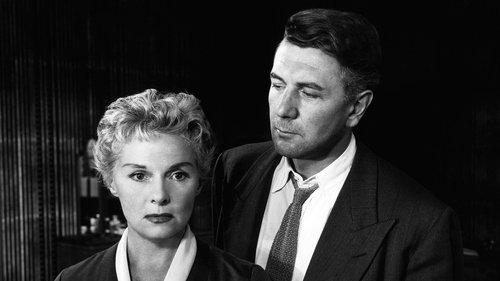




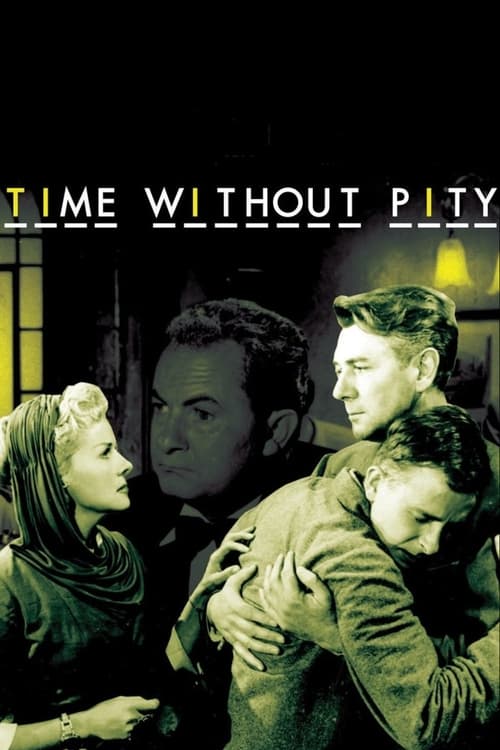
Everyone harbors secrets; they aren't always obvious. Time Without Pity, directed by Joseph Losey and adapted by Ben Barzman from Emlyn Williams’ play Someone Waiting, features Michael Redgrave, Ann Todd, Leo McKern, Paul Daneman, Peter Cushing, Alec McCowen, Renee Houston, and Lois Maxwell in the cast. The film's music is composed by Tristram Cary, with cinematography by Freddie Francis. David Graham (Redgrave), a man recovering from alcoholism, leaves a sanitarium to try and clear his son’s name. His son, Alec (McCowen), faces execution for his girlfriend’s murder in just 24 hours. David encounters resistance at every turn, and his sobriety is constantly challenged, but he might find assistance with the suspicious Stanford family. After being blacklisted in America, Joseph Losey relocated to the UK and made several films under assumed names. Time Without Pity marked the first time he used his own name as director. It’s another example of Losey's impressive British filmography. Losey and his collaborators didn’t create a conventional murder mystery; from the beginning, the identity of the killer is known—it isn’t young Alec Graham. This narrative choice can be risky, often disappointing audiences seeking suspense. Instead, viewers witness an investigation conducted by a man consumed by misery, struggling with personal demons while desperately searching for redemption. Tick Tock. Tick Tock. Rejected by his estranged son, who would prefer to face execution for a crime he didn’t commit than accept his father's help—which might offer false hope—David Graham is a haunted figure closer to solving the case than he realizes. The audience is drawn into the play, aware of the perpetrator and observing their reactions around David and how other characters who are concealing something behave throughout the story. The script maintains its focus, consistently generating tension as time runs out for the Grahams. Tick Tock. Tick Tock. Losey and Freddie Francis form a remarkable partnership, combining talents to produce striking lighting and scenes of exceptional quality. Time Without Pity is full of such filmmaking ingenuity. Time itself is central; clocks appear frequently, including one memorable film noir sequence where David visits a potential witness whose home is filled with alarm clocks that repeatedly sound, further unsettling his already anxious state. Tick Tock. Tick Tock. One scene underscores an anti-capital punishment message, but while officials discuss the ethics of the situation, Losey and Francis use stark shadows filtered through leaded windows to create a visually striking atmosphere—that’s what lingers in memory, not the social commentary. The film is both beautiful and powerful. Mirrors are also used effectively, with one elevator shot being particularly noteworthy, and the bittersweet ending deserves more recognition than it received upon release. Noir enthusiasts will appreciate the story's complexities. A brilliant score by Tristram Cary (whose 1950s work is worth exploring) enhances the film; three years before Herrmann’s iconic strings in Psycho, Cary uses a similarly unsettling string arrangement, and his ticking clock motif is particularly effective. Redgrave delivers a terrific performance as a fragile, sweating man, while Todd, Cushing, and Houston (all excellent) bring dignity to their roles. Losey's only misstep was allowing Leo McKern too much freedom; his performance is overly animated, but the overall strength of the film easily overcomes this flaw. Also, keep an eye out for Lois Maxwell, who would later play Miss Moneypenny. Now readily available on DVD with a good print, Time Without Pity deserves wider recognition. 9/10
On September 22, 2026
#36022▲ 7135
36022nd by Pulse movie online14.9PULSEPulse MeterOur daily Pulse Meter measures public activity and popularity signals across the web.How it works →














