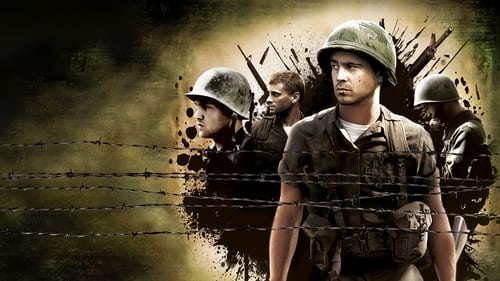





Just because someone holds a rank doesn't mean they’re invincible. Tigerland was the name given to a U.S. Army training camp situated at Fort Polk, Louisiana. Described as the second worst place on Earth, it replicated the Vietnamese jungle and served to ready American soldiers for the harsh conditions they would soon encounter in combat. Directed by Joel Schumacher, Tigerland features Colin Farrell as Private Roland Bozz, a hesitant recruit who annoys his commanding officers due to his ability to find ways around regulations. It seems clear that Bozz possesses leadership qualities, but will those in charge be able to convince him he’s destined for command? By the time Tigerland was released, it seemed like films about Vietnam had already said everything there was to say. The announcement that Joel Schumacher would tackle the conflict felt like a questionable choice, especially considering his earlier work which diminished the Batman series into something silly and over-the-top. Concerns grew even more when it became known that the production would be brief, low-budget—just 28 days of filming—and involve mostly unknown actors, all shot in grainy 16 millimeter film. However, two important things were overlooked by his critics. One was Schumacher’s past ability to guide a young cast toward compelling performances (The Lost Boys), and the other was Falling Down, which demonstrated he could handle complex and darker themes. Tigerland is a good movie; there isn't much actual fighting shown, only interactions between Bozz, his fellow soldiers, and their superiors. It’s more of a boot camp story than a war film. Nevertheless, the effect is similar as this group of young men prepares for a future with unfavorable odds, each having their own reasons for being there—some fueled by courage, others by doubt. As a result, Bozz unexpectedly becomes both a source of hope and an object of scorn. Ultimately, Tigerland emerges as a skillfully made film, driven by strong acting and gradually enveloping the viewer in a sense of sadness. Schumacher isn’t solely responsible for the film's success; he had some excellent collaborators. The screenplay by Ross Klavan and Michael McGruther surpasses the usual clichés found in movies about army training. Klavan’s use of his own military experiences was particularly helpful, allowing Tigerland to unfold deliberately, developing characters before reaching its understated and moving conclusion. With Farrell delivering a remarkable performance, it's as captivating as any Vietnam film can be, despite the bleak visuals created by Matthew Libatique’s cinematography, which avoids bright colors in favor of murky grays and greens to place the viewer directly within the boot camp environment. The overall look, feel, and story combine effectively, making Tigerland worthy of comparison with popular Vietnam movies from previous decades. 8/10
On September 24, 2026
#12461▼ 1107
12461st by Pulse movie online33.2PULSEPulse MeterOur daily Pulse Meter measures public activity and popularity signals across the web.How it works →