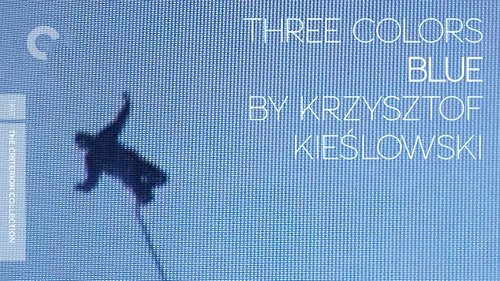





This movie explores themes of suffering, loss, grief, psychological distress, and a potential release, but it’s not an easy watch for everyone. I struggled to finish this film; I had to start it three times. Given that I'm dealing with my own difficult grieving process right now, the subject matter was especially challenging. The story begins with a devastating car accident where the central character, July, loses her husband and daughter. Like me, she feels compelled to escape, to withdraw from others, and she almost ceases to exist by refusing to confront the pain and absence of her family. The film seems to use this as a metaphor for freedom—but how freeing is it really to adopt such an attitude? I honestly don't know. No matter how much we try to run away, our suffering continues to find us; we can’t change who we are. Amidst all of this, the movie also raises questions about the aspirations and direction of the European Union project, reflected in the incomplete state of a symphony commissioned by the Union and left unfinished after July's husband—the composer—died. I wasn't familiar with the director, Krzysztof Kieslowski, and I suspect few people are. He appears to be a filmmaker who remains largely within the festival circuit due to his extensive knowledge base. It doesn’t seem he created films intended for broad commercial appeal. This film won’t satisfy everyone; it’s fairly difficult to digest, uncomfortable, bleak, and cold—characteristics highlighted by its dominant color palette. The cinematography is skillful, rich in artistic techniques, featuring striking visual compositions and beauty, with a pervasive use of cool blues throughout the work. The acting is exceptional, particularly Juliette Binoche's performance, which stands out as one of the most intense, moving, and powerful roles of her career. Benoit Regent and Charlotte Véry also delivered solid performances, each providing important support to Binoche’s portrayal; however, it's she who carries the film through sheer talent. I wanted to mention the soundtrack: the film doesn't rely heavily on music, as its use is deliberate and carefully coordinated with what we see onscreen. Instead of multiple melodies or a wide range of incidental pieces, just one song is used—"Song for the Unification of Europe," composed by Zbigniew Preisner. Created after the Treaty of Maastricht, the film has a strong European focus, which feels somewhat ironic considering the current climate of Euroscepticism thirty years later.
On September 25, 2026
#5358▲ 7821
5358th by Pulse movie online42.6PULSEPulse MeterOur daily Pulse Meter measures public activity and popularity signals across the web.How it works →














