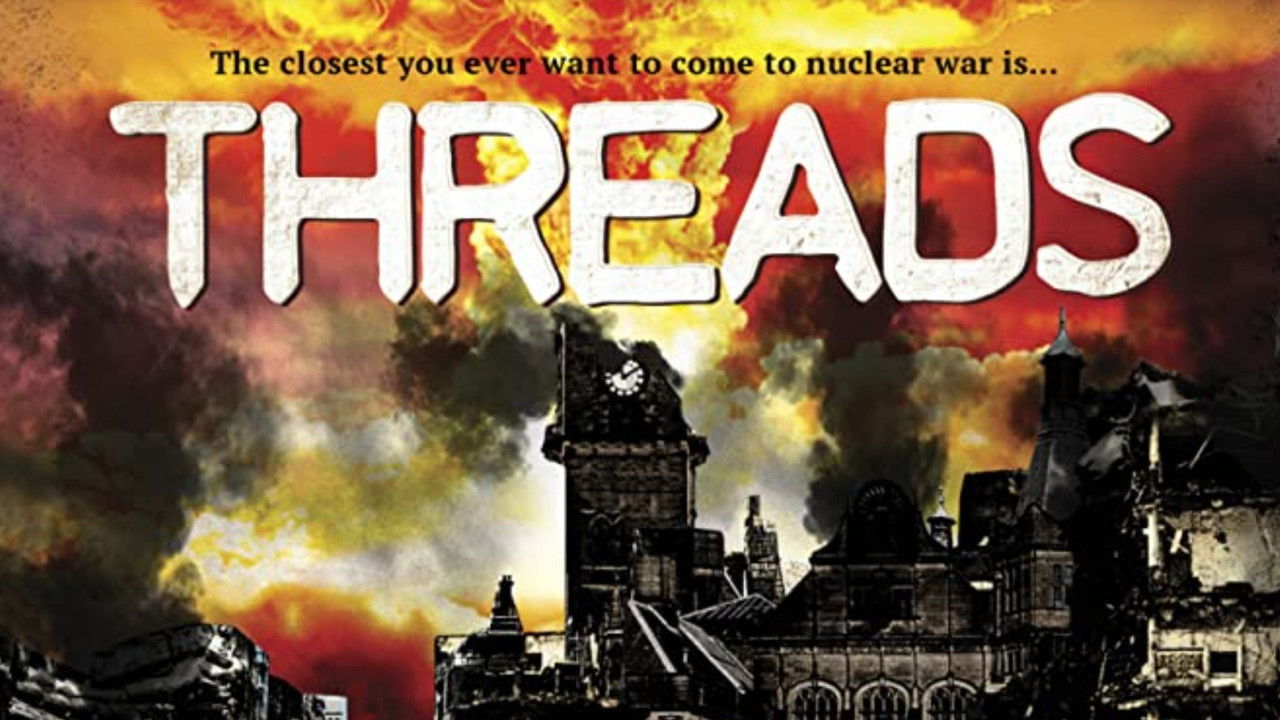





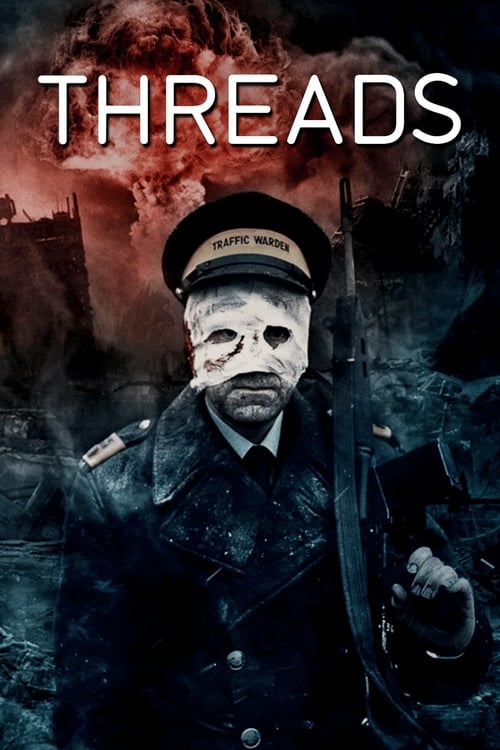
For many viewers, this film marked a significant moment concerning nuclear arms, the tensions of the Cold War, and related political issues. The story unfolds in a 1984 UK industrial area, as Cold War anxieties escalate, focusing on ordinary individuals navigating their daily routines while bracing for an impending disaster. Barry Hines and Mick Jackson illustrate how deeply intertwined the world is; every element relies on others, and when those connections begin to fail, the structures that support society start to fall apart, leading swiftly to suffering and irreversible damage. External assistance isn't available, as most locations are in equally dire circumstances. The fallout from the conflict creates a grim outlook for humanity’s future. The film avoids any uplifting moments or sentimental Hollywood dialogue, instead presenting stark realities and data. As events unfold, we follow Ruth, the central character, on her journey thirteen years later. We observe her attempts to manage as the remnants of industry and civilization gradually decline. The filmmakers employed straightforward effects and a raw aesthetic, which keeps the film from appearing dated. Furthermore, much of the production utilizes limited sets and locations, distancing the time period from the narrative's impact. The performances are authentic and compelling; they portray believable characters, rejecting stereotypical Hollywood archetypes. Ultimately, what remains is likely one of the darkest, most somber, and disheartening films—a film that everyone should experience at least once. It will serve as a reminder of the Cold War era, but its message will remain pertinent for as long as nuclear weapons exist, acting as an ongoing cautionary tale. The impact of this film lingers long after viewing.
On September 20, 2026
#3221▲ 129
3221st by attention movie online49.6Attention ScoreAttention ScoreOur daily Attention Score measures public activity and popularity signals across the web.How it works →














