




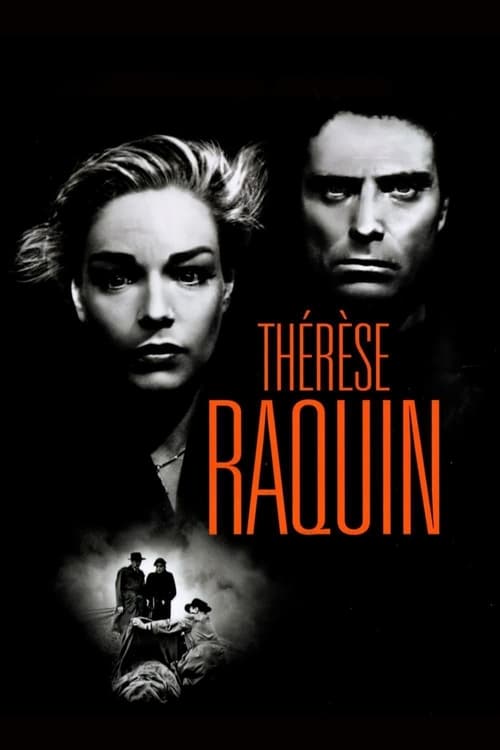
Thérèse Raquin (also known as The Adultress) comes from director Marcel Carné, who also adapted the screenplay alongside Charles Spaak from Émile Zola’s novel. Simone Signoret, Raf Vallone, Jacques Duby, Maria Pia Casilio and Roland Lesaffre feature in the cast. Maurice Thiriet composed the music, and Roger Hubert was responsible for the cinematography. Carné shifts the setting of Zola's story to post-war Lyon, adopting a film noir style. The narrative centers on Signoret as Raquin, a woman held back by her circumstances, trapped in a marriage with her weak cousin and sharing a home with his overbearing mother. Then Laurent LeClaire (Vallone) arrives, initiating an intense affair. As they envision a future together, unforeseen events dramatically alter their course. The performances are compelling; the five main actors create believable worlds for their characters, both positive and negative in terms of human nature. Carné contrasts Lyon’s beauty—charming cobblestone streets, the River Rhone—with a pervasive bleakness that obscures Thérèse, a woman who seems to have lost her ability to smile, and whose sexual satisfaction is nonexistent. Hubert's photography contributes as well, producing striking nighttime scenes that offer a glimmer of hope for the lovers. However, a sense of foreboding emerges, and after investing considerable time in developing his characters, Carné abandons any hope, replacing it with despair. Fate influences key events within the film, a common element in film noir, leading to a stark conclusion delivered with undeniable finality. The pacing falters occasionally as the director emphasizes the monotony of everyday life, but the shift in tone around the midpoint—and the exceptional last third—make this worthwhile for fans of French noir. It earns an 8/10.
On September 22, 2026
#79049▲ 47936
79049th by Pulse movie online5.8PULSEPulse MeterOur daily Pulse Meter measures public activity and popularity signals across the web.How it works →














