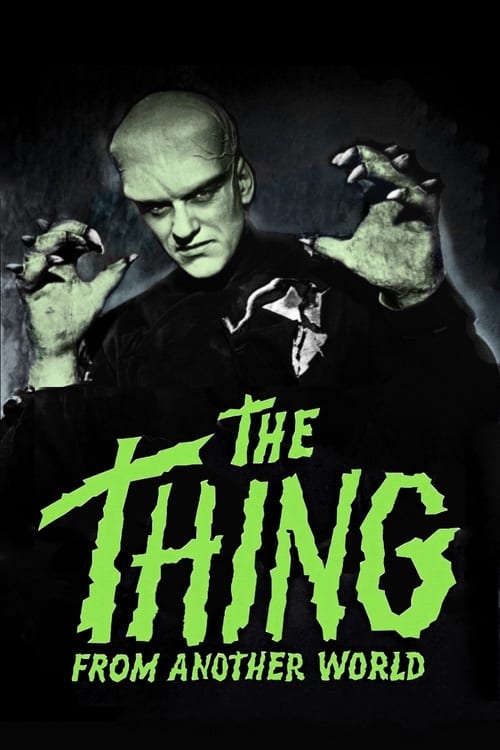




Science isn't about having rivals; it’s about examining what exists. The Thing from Another World takes place at The North Pole and involves U.S. airmen, scientists, and a journalist who discover they’ve gotten themselves into something serious when they look into a spacecraft trapped in the ice. What stands out most is the fundamental story of cooperation—people working together during a crisis. This theme represents a significant departure from John W. Campbell Jr.’s original short story, "Who Goes There?". That tale, and later John Carpenter's excellent remake, centered on suspicion and distrust; this film takes an entirely different approach regarding the group facing danger. It shows all the characteristics of producer Howard Hawks, who clearly influenced Nyby’s direction. The script, exploring the strengths and weaknesses of military and scientific communities, is very much a product of its time, mixing serious observations with straightforward humor. However, these elements ultimately benefit the film and help establish it as one of the most important science fiction movies ever made. Along with another significant science fiction movie from 1951, "The Day the Earth Stood Still," "TTFAW" helped introduce the idea of visitors from outer space to a wider audience. While that earlier film presented an alien visitor with an intellectual message and sense of importance, this one is about terror, advancing the concept that the visitor here is a monster seeking to drain our blood and attempt global domination. The movie doesn't require elaborate special effects because one of its best aspects is only showing glimpses of the creature (James Arness), and that’s after making viewers wait quite a while before things really start happening. This encourages us to form our own conclusions about this stalking threat, placing us directly with this brave group of people, and we want them to survive and care whether they do or not. The film's modest budget doesn't detract from the atmosphere or pacing; in fact, Nyby, Hawks, cinematographer Russell Harlan, and music composer Dimitri Tiomkin all contribute greatly to creating a sense of authenticity for the Arctic base and ensuring that danger is always present. Free from many of the clichés that would come to define similar genre films later on, this one effectively taps into fears that became widespread as the 1950s progressed. It might not be flawless, but it remains a major force in its field—so look up at the sky tonight. 9/10
On September 29, 2026
#1452▲ 215
1452nd by Pulse movie online14.1PULSEPulse MeterOur daily Pulse Meter measures public activity and popularity signals across the web.How it works →